English
 Español
Centralized Multi-Compartment Baghouse Dust Collector
A project-engineered multi-compartment baghouse system for high-air-volume industrial particulate collection. Filtration area, cleaning mode, fan duty, hopper arrangement and ash discharge are configured according to dust loading, temperature, moisture, abrasiveness, airflow and site requirements.
- Feature
- Large Air Volume; Multi-Compartment; Project-Engineered
- Application
- Industrial Particulate and Dust Collection
- System Integration
- Can Be Engineered with Upstream Pre-Separation Equipment
- Filtration Method
- Bag Filtration
- Dust Discharge
- Hopper, Bin or Automatic Conveying System; Project-Specific
PRODUCT SUMMARY
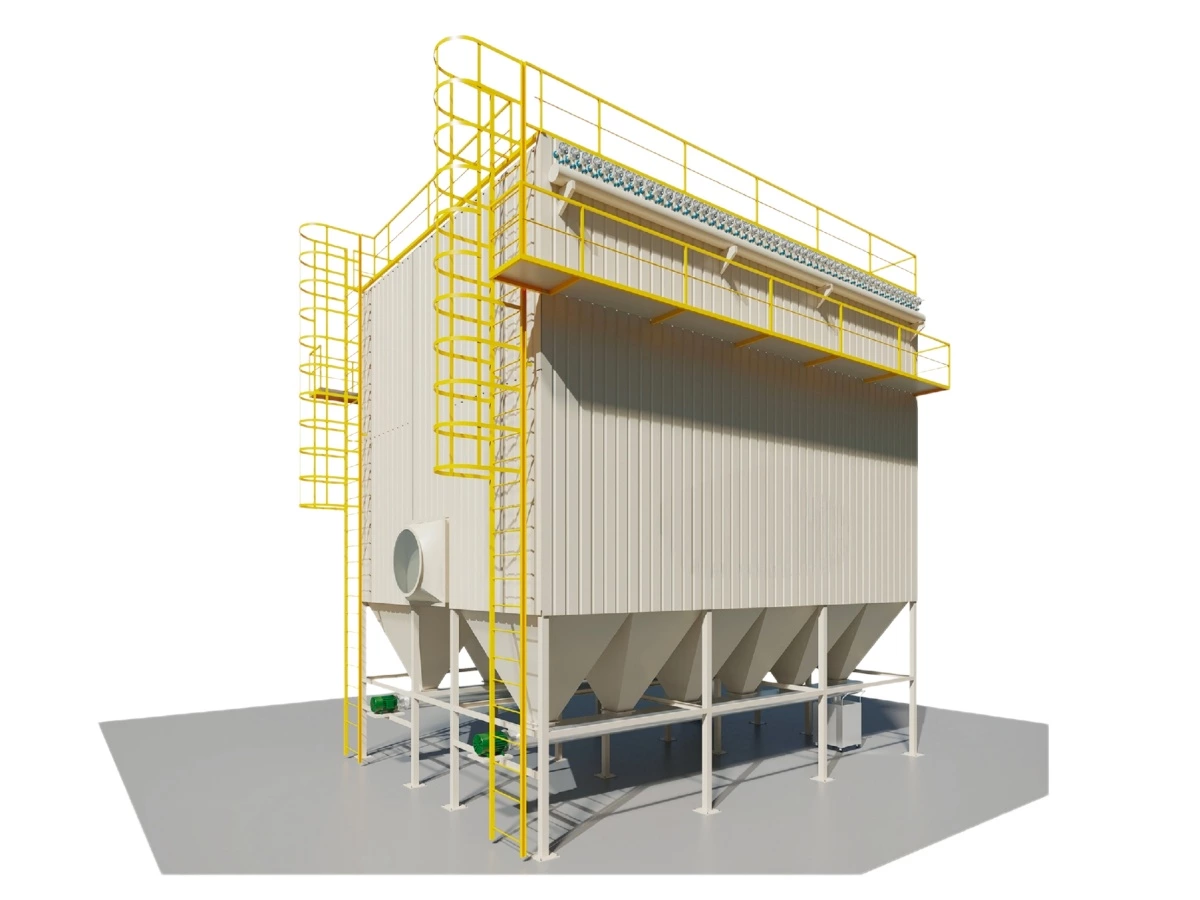
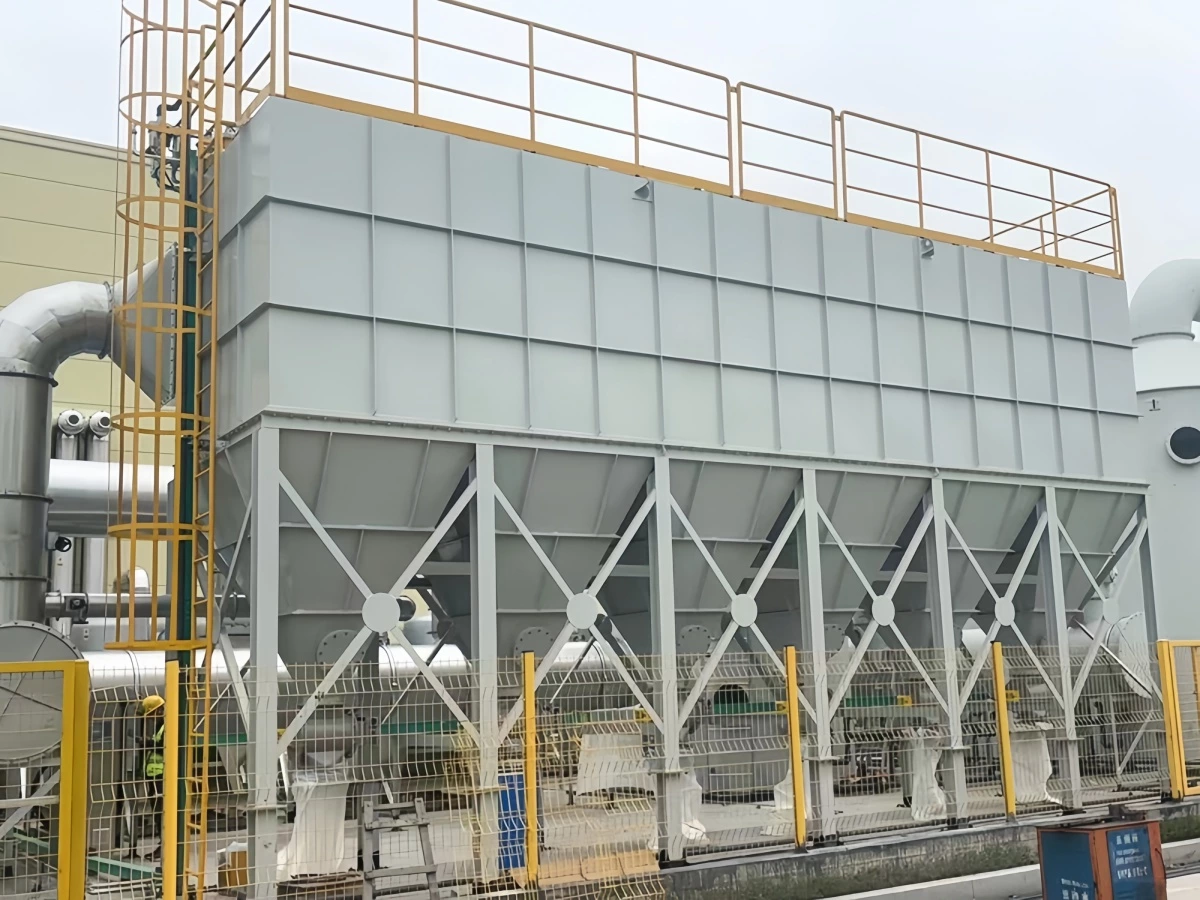
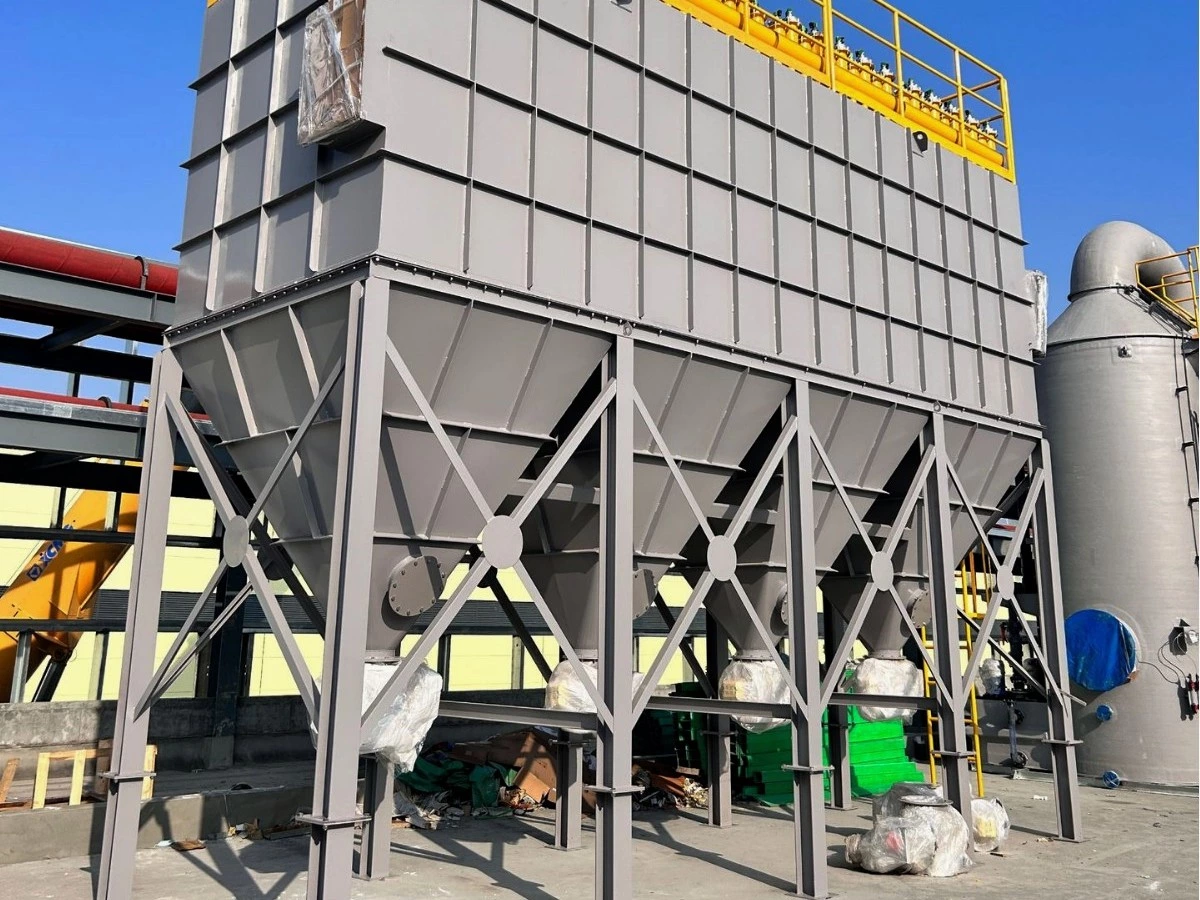
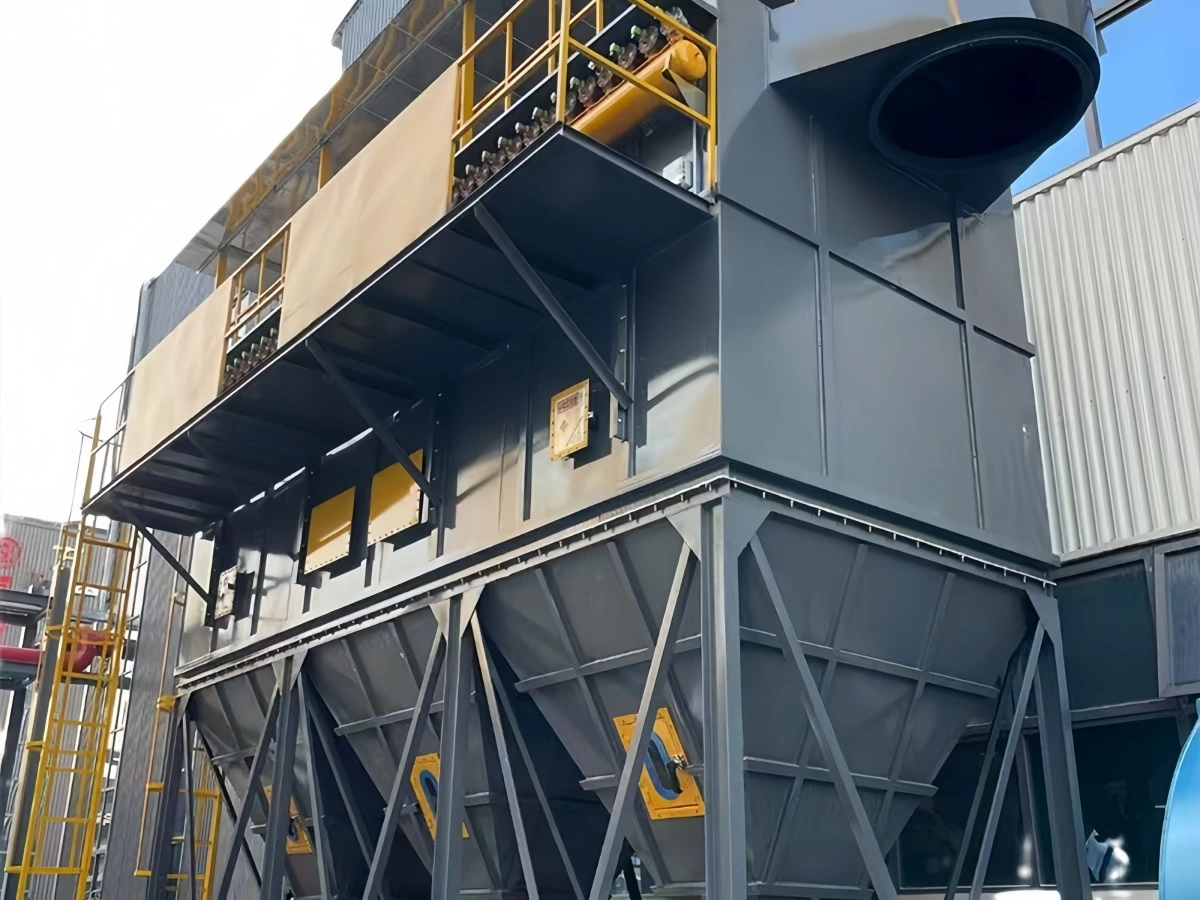
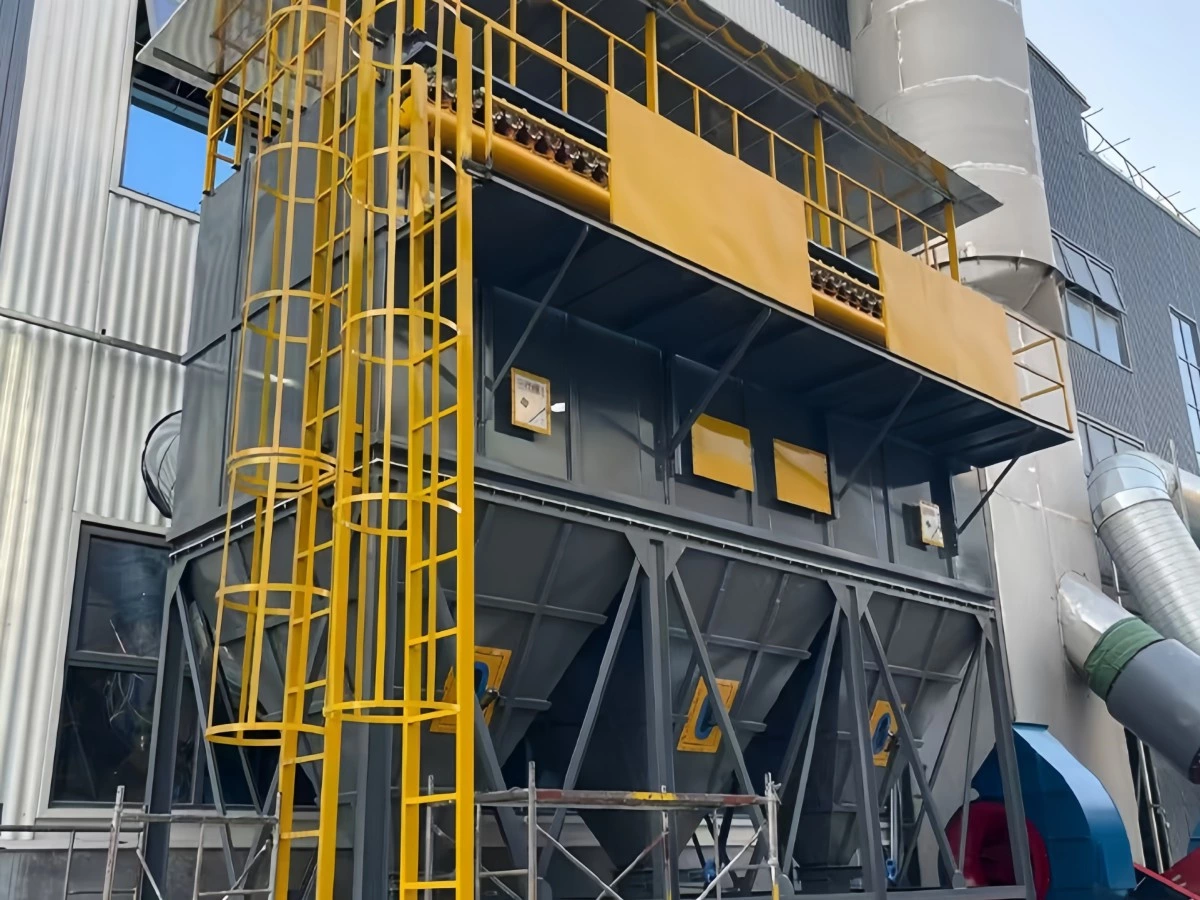
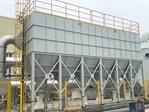
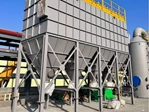
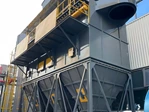
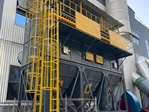
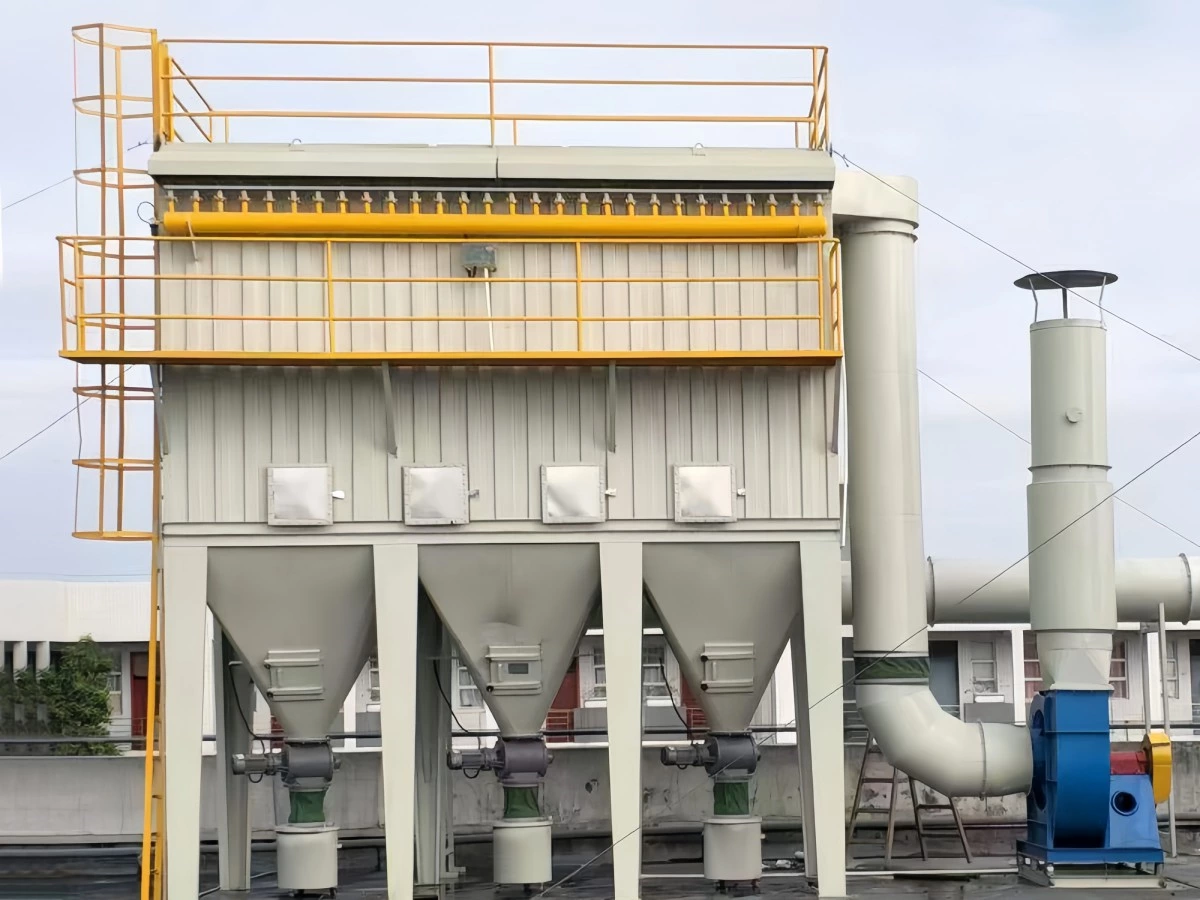
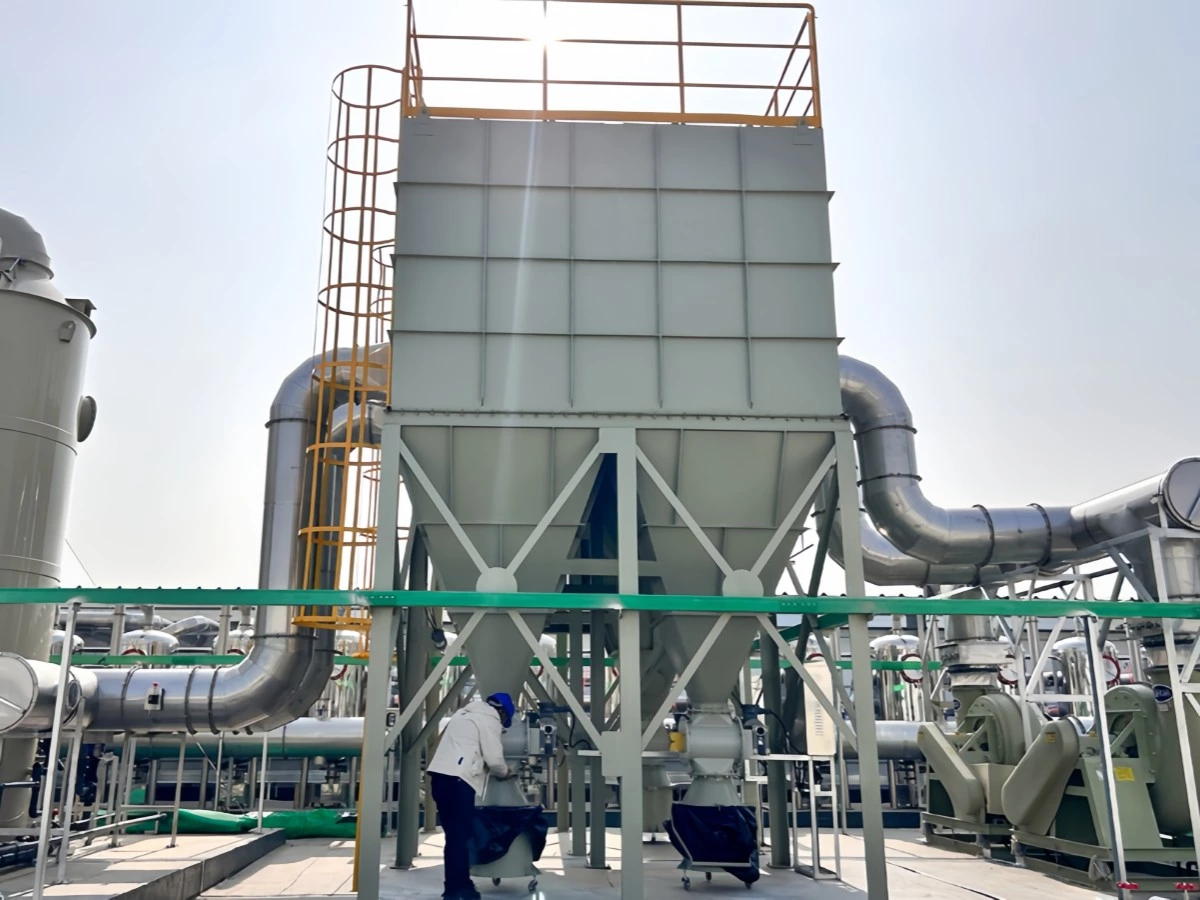
This centralized multi-compartment baghouse dust collector is engineered for high-air-volume industrial exhaust containing filterable particulate. It combines a divided collector housing, filter bags and cages, a selected cleaning system, multiple dust hoppers, an exhaust fan and system controls in one project-specific solution.
The system is sized from the actual process conditions. Required airflow, inlet dust loading, particle characteristics, gas temperature, moisture, abrasiveness, chemical compatibility, operating schedule, pressure loss and the required discharge conditions are reviewed before the collector and fan are selected.
Depending on the project, the baghouse can serve as the main particulate collector or be integrated with an upstream cyclone, electrostatic precipitator or other pre-separation stage. The final process arrangement, equipment scope and performance criteria are defined in the approved technical proposal.
Key Product Features
-
Centralized collection for high-air-volume industrial dust sources
-
Multi-compartment housing configured for the required filter area and cleaning strategy
-
Filter bags and cages selected according to temperature, dust and gas conditions
-
Compartment-by-compartment or pulse-jet cleaning configurations
-
Multiple hoppers for collected-dust discharge
-
Optional automatic ash conveying when included in the project scope
-
Fan, duct interfaces, controls and monitoring configured as one system
-
Indoor or outdoor arrangements based on the installation environment
-
New-installation and retrofit project options
TYPICAL APPLICATIONS
The system can be engineered for large-volume particulate collection in applications such as:
-
Cement and mineral processing
-
Steel production and metal processing
-
Ferrous-metal smelting and foundry operations
-
Ceramic and refractory-material production
-
Bulk-powder conveying, transfer and handling
-
Selected boiler, combustion and process-exhaust projects after gas-condition review
-
Wood-processing dust projects after combustible-dust hazard assessment
-
Other production processes generating high volumes of dry, filterable particulate
Application suitability must be confirmed from the actual dust and gas data. High-temperature, wet, oily, sticky, corrosive, combustible or reactive dust streams may require pre-treatment, a different filter configuration, additional protection or another collection method.
This equipment is designed primarily for particulate removal. Acid gases, alkaline gases, volatile organic compounds and other gaseous pollutants require separate evaluation and may need a dedicated gas treatment system.
HOW THE BAGHOUSE SYSTEM WORKS
-
Dust capture and transport – Dust-laden air is collected from the process and conveyed through the duct system toward the central collector.
-
Optional pre-separation – A cyclone, electrostatic precipitator or other upstream device may remove part of the dust load when required by the process design.
-
Air distribution – The inlet and internal distribution arrangement guide the gas stream into the collector compartments.
-
Bag filtration – Particulate is retained on the surface of the selected filter bags while the filtered air passes through the filter media.
-
Filter cleaning – Compartment cleaning or pulse-jet cleaning removes the accumulated dust cake according to the selected control sequence.
-
Dust collection and discharge – Released dust falls into the hoppers and is removed through the specified bin, valve, conveyor or other discharge arrangement.
-
Air exhaust – The fan maintains the designed airflow and pressure. Filtered air is discharged according to the approved stack, monitoring and site requirements.
MAIN SYSTEM COMPONENTS
| Component | Function | Configuration Basis |
|---|---|---|
| Inlet and Air-Distribution Section | Distributes dust-laden air across the collector | Airflow, dust loading, particle behavior and abrasion |
| Multi-Compartment Collector Housing | Provides the required filtration sections | Required filter area, cleaning strategy and maintenance arrangement |
| Filter Bags and Cages | Separate particulate from the air stream | Temperature, chemistry, moisture, particle size and required performance |
| Cleaning System | Removes accumulated dust from filter surfaces | Dust adhesion, filter type, pressure drop and operating schedule |
| Compressed-Air Header and Valves | Supply pulse cleaning when this configuration is selected | Cleaning pressure, sequence and air consumption |
| Dust Hoppers | Receive dust released from the filter surfaces | Dust volume, flowability and discharge frequency |
| Discharge or Ash-Conveying Equipment | Removes collected dust from the hoppers | Dust characteristics, plant layout and handling method |
| Exhaust Fan and Motor | Provide the required airflow and static pressure | Calculated system duty point and control method |
| Ducts and Dampers | Connect the process, collector and discharge route | Airflow, conveying conditions, resistance and layout |
| Control System | Operate the fan, cleaning sequence, alarms and selected interlocks | Project operating logic and customer interface requirements |
| Platforms, Ladders and Access Doors | Support inspection and maintenance | Equipment size, access plan and site safety requirements |
| Optional Protection and Monitoring | Address identified operating or dust hazards | Hazard assessment and applicable local requirements |
CLEANING CONFIGURATION
The cleaning method is selected according to the dust adhesion, filter media, inlet loading, operating schedule and required pressure-drop control.
Compartment-by-Compartment Cleaning
The collector is divided into sections and each compartment is cleaned according to the designed sequence. Isolation arrangement, cleaning logic and whether cleaning occurs during or outside normal filtration duty must be confirmed in the technical proposal.
Pulse-Jet Cleaning
Compressed-air pulses remove accumulated dust from the filter bags. Pulse pressure, duration, interval and control logic are configured according to the filter design and actual operating conditions.
Neither configuration should be selected from the product name alone. The approved project documents must identify the exact cleaning mode, compressed-air requirement and operating sequence.
PROJECT-SPECIFIC TECHNICAL DATA
Final values are issued in the project quotation and approved technical documents.
| Parameter | Selection or Confirmation Basis |
|---|---|
| Process and Dust Source | Actual production process and capture points |
| Total Airflow | Source demand, simultaneous operation and system design |
| Inlet Dust Loading | Measured or reliably estimated process data |
| Particle Characteristics | Size distribution, density, abrasiveness, adhesion and flowability |
| Gas Temperature | Normal, maximum and abnormal operating temperatures |
| Moisture and Dew Point | Condensation risk and filter compatibility |
| Gas Composition | Corrosive, combustible or chemically active components |
| Number of Compartments | Filter area, cleaning plan and maintenance strategy |
| Filtration Area and Air-to-Cloth Ratio | Airflow, dust loading, media and performance target |
| Filter Bag Material | Temperature, chemistry, moisture and service conditions |
| Filter Bag Quantity and Dimensions | Final collector design |
| Cleaning Method | Compartment or pulse-jet configuration |
| Design Pressure Drop | Filter and complete-system operating conditions |
| Compressed-Air Requirement | Cleaning system design, when applicable |
| Hopper and Discharge Arrangement | Dust volume, flowability and handling plan |
| Fan and Motor | Required airflow, static pressure, efficiency and electrical supply |
| Control and Monitoring | Differential pressure, temperature, alarms and interlocks as specified |
| Construction Material and Finish | Process conditions and installation environment |
| Outlet Requirement | Agreed concentration, test method and applicable site requirement |
| Overall Dimensions | Final equipment arrangement and available site space |
PROCESS AND SAFETY REVIEW
The collector must be selected from verified process data. Please provide the dust type, material safety information, operating temperature, moisture, particle characteristics and any available sampling or test results.
Combustible or reactive dust requires a project-specific hazard assessment. A standard baghouse should not automatically be described as explosion-proof. Isolation, venting, suppression, spark detection, electrical classification, monitoring, grounding and other protective measures—when required—must be defined from the actual hazard and the rules applicable at the installation site.
High-temperature or combustion exhaust may require spark control, gas cooling, temperature monitoring, special filter media or additional treatment. Corrosive gases and condensable vapors also require separate material and dew-point review.
Dust streams with incompatible properties should not be combined without technical review. Return of filtered air to an occupied workshop must be evaluated from the dust hazard, filtration and monitoring design, process contaminants and local requirements.
SYSTEM INTEGRATION OPTIONS
Depending on the application, the baghouse may be engineered with:
-
Upstream cyclone or other pre-separator for higher or coarser dust loading
-
Upstream electrostatic precipitation where supported by the complete process design
-
Inlet distribution, wear-resistant sections or process-conditioning equipment
-
Differential-pressure and temperature monitoring
-
Variable-frequency fan control
-
Hopper heaters or flow-aid devices when technically required
-
Rotary valves, screw conveyors or pneumatic ash conveying
-
Stack, sampling ports and monitoring interfaces
-
Project-specific fire or explosion protection after hazard assessment
These are configuration options, not standard inclusions. The quotation must state exactly which equipment and interfaces are supplied.
TYPICAL SCOPE OF SUPPLY
Depending on the approved project scope, supply may include:
-
Multi-compartment collector housing
-
Filter bags, cages and mounting components
-
Compartment or pulse-jet cleaning equipment
-
Compressed-air manifold and valves when applicable
-
Multiple dust hoppers
-
Specified dust-discharge or ash-conveying equipment
-
Exhaust fan, motor and connection accessories
-
Electrical control cabinet and operator controls
-
Specified instruments, alarms and interlocks
-
Platforms, ladders, handrails and maintenance access
-
Supporting steel structure
-
General-arrangement, electrical and installation-interface drawings
-
Factory inspection and functional checks stated in the contract
Process hoods, complete ductwork, upstream separators, stack, civil foundations, site installation, lifting, electrical and compressed-air utilities, insulation, fire or explosion protection, third-party testing and dust disposal are included only when explicitly listed in the quotation.
LARGE CENTRALIZED OR MOBILE DUST COLLECTOR?
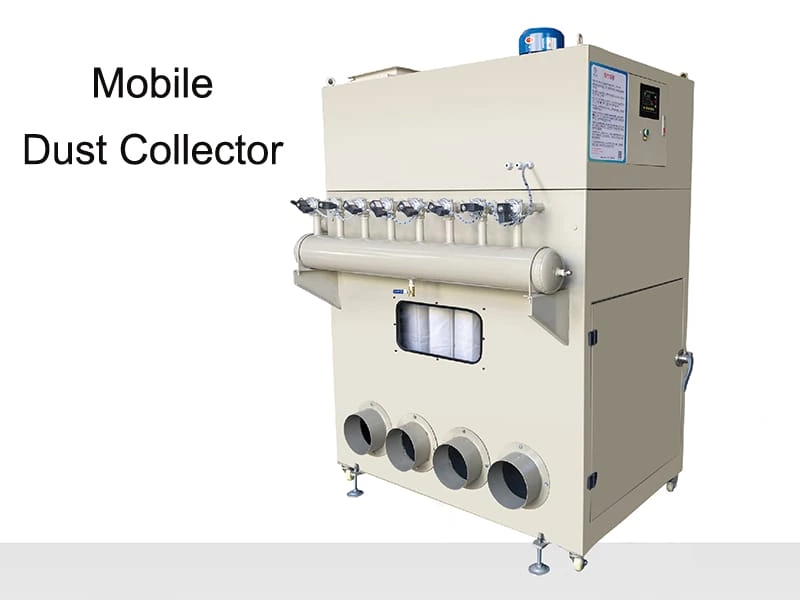
This product is intended for large-air-volume centralized collection. For one small localized dust source or a small grinding and polishing machine, a mobile dust collector may be more appropriate.
| Selection Point | Centralized Multi-Compartment Baghouse | Mobile Dust Collector |
|---|---|---|
| Typical Duty | Large centralized industrial dust system | Small localized dust source |
| Airflow | Project-engineered for large system demand | Limited local airflow |
| Installation | Fixed collector, ducts, support and site interfaces | Standalone movable equipment |
| Dust Handling | Multiple hoppers and optional conveying system | Local bag, cartridge or bin arrangement |
| Engineering Input | Full process, dust, airflow, temperature and layout data | Local source and connection data |
| Typical Use | Plant or production-process dust collection | Small grinding or polishing station |
INFORMATION REQUIRED FOR A QUOTATION
Please provide:
-
Production process and dust-source description
-
Required total airflow or source-by-source airflow data
-
Normal and peak inlet dust concentration
-
Dust composition, particle size, density, abrasiveness and adhesion
-
Normal and maximum gas temperature
-
Moisture, dew point and any condensable material
-
Gas chemistry and corrosive components
-
Combustibility or reactivity information and available safety data
-
Daily operating hours and annual operating schedule
-
Existing cyclone, electrostatic precipitator or other upstream equipment
-
Required outlet concentration and applicable test method
-
Workshop layout, duct route, available installation space and stack position
-
Electrical supply, compressed-air conditions and control-interface requirements
-
Required ash-discharge and dust-handling method
-
Indoor or outdoor installation and local wind, rain, temperature or seismic requirements
-
Site safety, environmental, noise and acceptance requirements
FACTORY CHECKS AND SITE COMMISSIONING
Factory checks can cover the supplied equipment's mechanical assembly, cleaning controls, valves, fan rotation, electrical functions, alarms and interlocks included in the agreed scope.
Final system performance depends on the installed capture points, ducts, upstream equipment, collector, fan, stack and site conditions. Site commissioning should verify airflow, system pressure, leakage, cleaning sequence, hopper discharge, control logic and safe operation. Any outlet-concentration or occupational-exposure test should use the agreed method and be completed by the responsible qualified party specified in the contract.
FAQ
What is a multi-compartment baghouse dust collector?
It is a bag-filtration collector divided into multiple sections. The number and arrangement of compartments are selected according to the required filter area, cleaning strategy, airflow and maintenance plan.
How is the required airflow determined?
Airflow is calculated from the dust-capture points, process exhaust demand, simultaneous operation, duct design and any required process ventilation. Collector size should not be selected only from workshop area or motor power.
Can the baghouse be installed after a cyclone or electrostatic precipitator?
It can be integrated with upstream separation equipment when supported by the complete process design. The inlet dust load, particle properties, temperature, pressure and equipment interfaces must be confirmed first.
What filtration efficiency or outlet concentration can be guaranteed?
A guaranteed value can be stated only after confirming the inlet conditions, filter media, air-to-cloth ratio, operating conditions, test method and acceptance criteria. The applicable value must be written into the approved technical agreement.
Is the system explosion-proof?
Explosion protection is not a universal standard feature. Combustible or reactive dust requires a hazard assessment and a project-specific protection strategy that meets the applicable site requirements.
Does the system include automatic ash conveying?
Automatic ash conveying can be included when required. The hopper outlets, valves, conveyor type, capacity and final dust-disposal interface must be specified in the quotation.
How long do the filter bags last?
Service life depends on dust abrasiveness, gas temperature and chemistry, moisture, cleaning intensity, air-to-cloth ratio, pressure drop and maintenance. A fixed service life should not be promised without defined operating conditions.
Can filter bags be changed while the system is operating?
That depends on the compartment-isolation and maintenance design. Online isolation or maintenance capability must be specifically engineered and stated in the technical proposal.
Can this collector remove acid fumes or other gaseous pollutants?
The baghouse is intended primarily for particulate removal. Gaseous contaminants require separate process evaluation and may need a wet scrubber or another gas-treatment stage.
Is the fan included?
The fan can be included as part of the complete system. Its airflow, static pressure, motor, control method and installation scope will be identified in the quotation.
REQUEST A TECHNICAL PROPOSAL
Planning a high-air-volume industrial dust collection project? Send us the process description, airflow, dust data, gas temperature, operating schedule, layout and required discharge conditions. Xinyuan will review the collector configuration, filter media, cleaning system, fan duty, hopper arrangement and ash-handling scope for your application.
Request a Quote
If you are interested in our products and want to know more details,please leave a message here,we will reply you as soon as we can.