English
 Español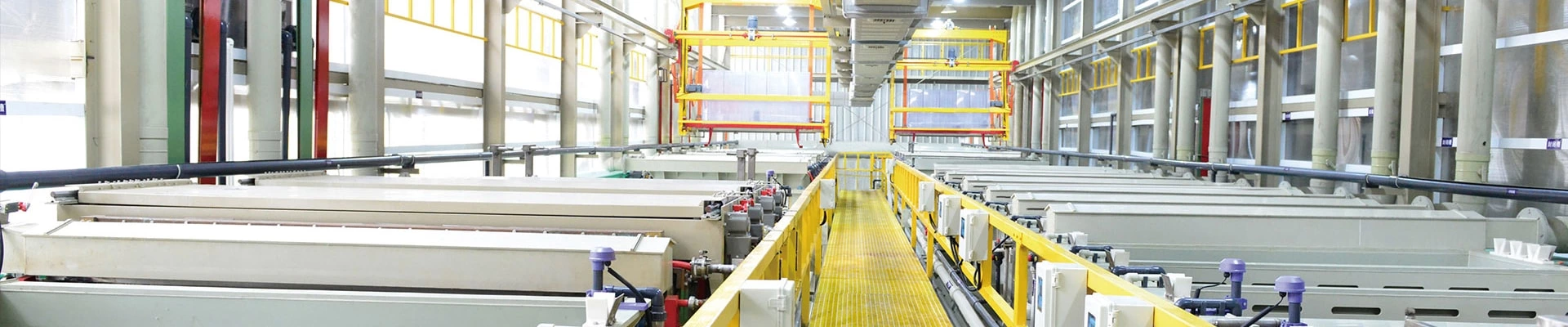
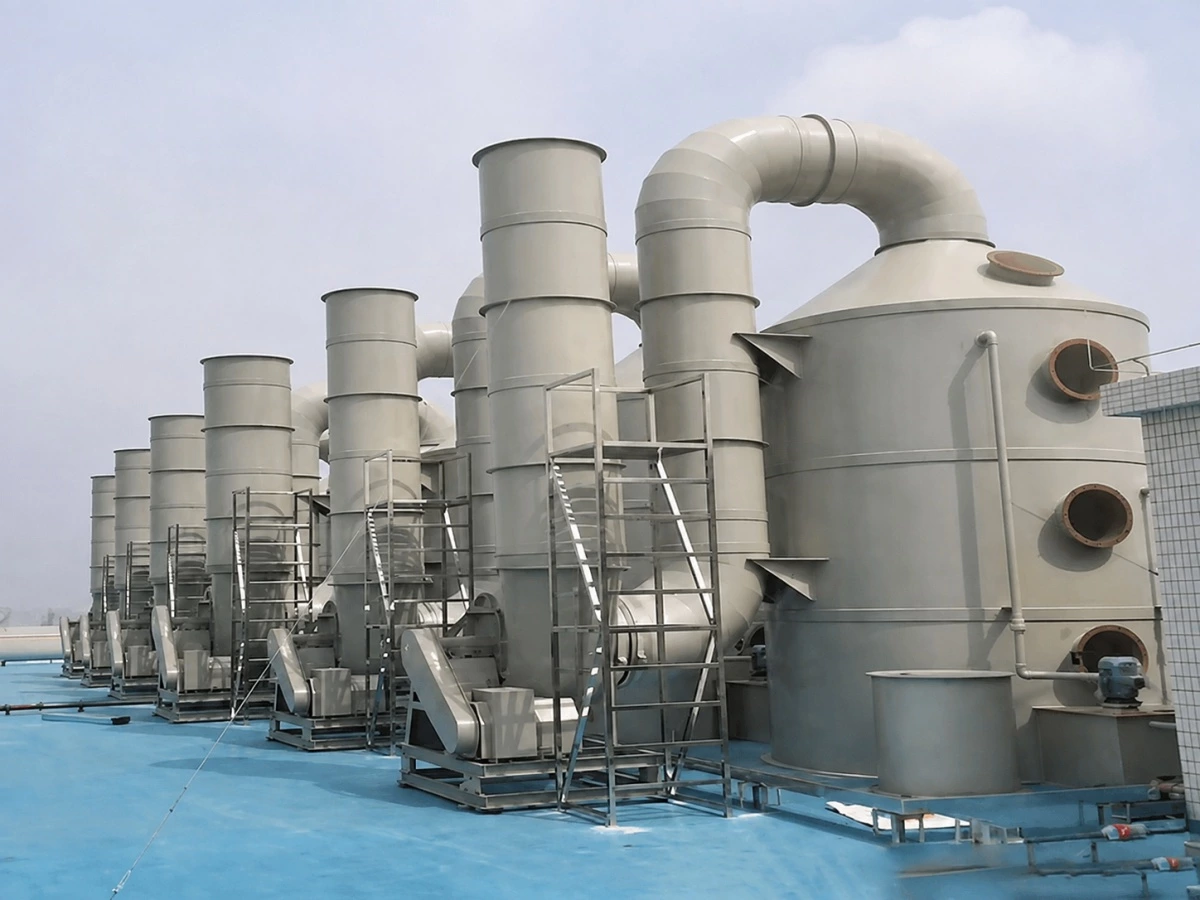
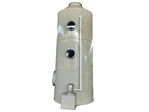
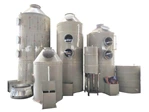
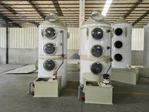
Electroplating Wet Scrubber Tower for Acid Mist Treatment
This equipment is suitable for the treatment of continuous and intermittent exhaust gas
- Feature
- Wet Scrubbing and Acid Mist Absorption
- Materials
- Corrosion-Resistant PP Tower
- Application
- Electroplating and Pickling Exhaust Treatment
- Speed
- Customization
- Max Plated Parts
- Customization
- Auxiliary Equipment
- Recirculation Pump and Mist Eliminator
PRODUCT SUMMARY
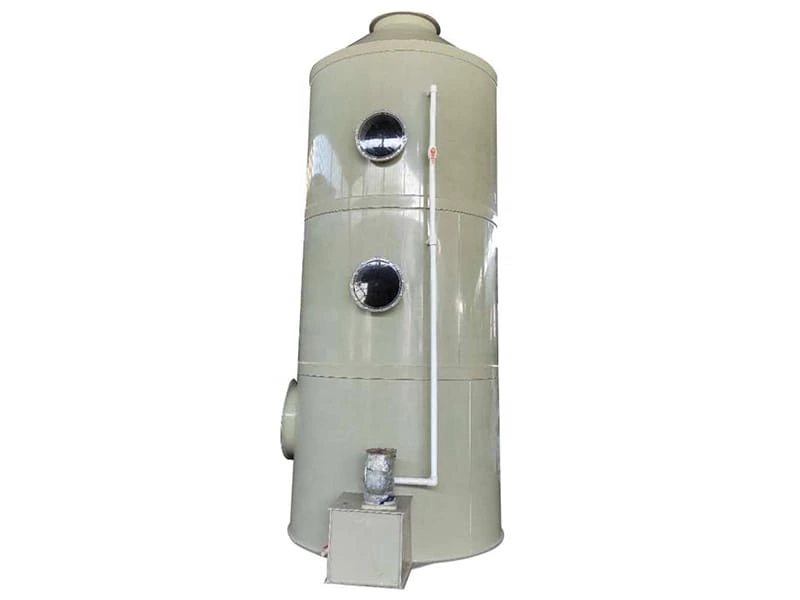
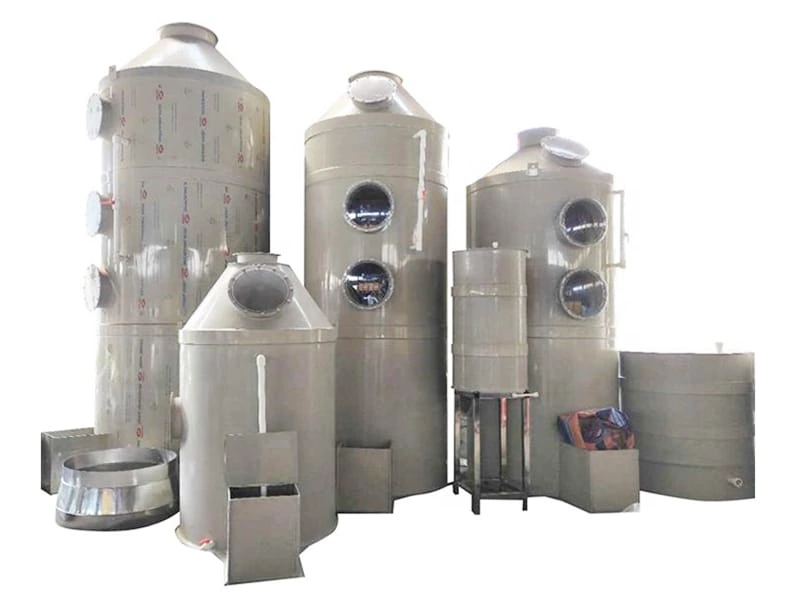
This corrosion-resistant PP wet scrubber tower is designed for acid mist and water-soluble exhaust generated by electroplating, pickling and metal surface treatment processes. Tower size, spray configuration and circulation equipment are engineered according to the exhaust airflow, bath chemistry, operating conditions and local discharge requirements.
PRODUCT DETAILS
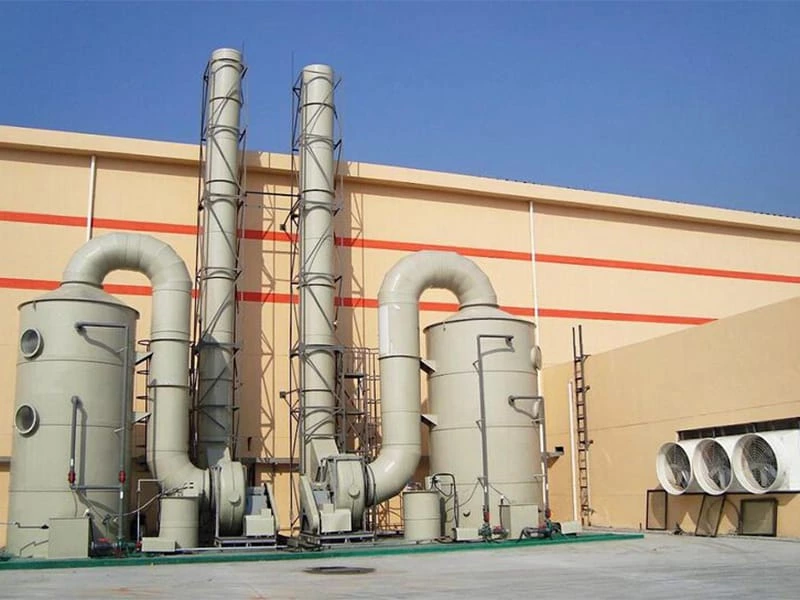
Electroplating tanks may release acidic or alkaline mist when process solutions are heated, agitated or extracted by a ventilation system. The wet scrubber tower is installed downstream of the tank hoods and exhaust ductwork, where it brings the extracted air into contact with a recirculating absorption liquid before discharge.
The tower is not selected from tank dimensions alone. Exhaust airflow, bath chemistry, inlet temperature, contaminant loading, duct pressure loss and the required outlet condition all affect the tower diameter, height, spray arrangement and circulation capacity.
If you require exhaust hoods, PP ductwork, an FRP fan, controls and the scrubber tower as one package, view our complete electroplating exhaust gas treatment system.
Typical Applications
The wet scrubber tower can be applied to exhaust collected from:
-
Electroplating process tanks
-
Pickling and pretreatment tanks
-
Acid or alkaline cleaning processes
-
Metal surface treatment lines
-
Continuous or intermittent exhaust systems
Wet scrubbing is mainly suited to pollutants that can be absorbed or reacted with the selected scrubbing liquid. If the exhaust also contains organic vapors or other poorly soluble contaminants, an additional treatment stage may be required.
How the Wet Scrubber Tower Works
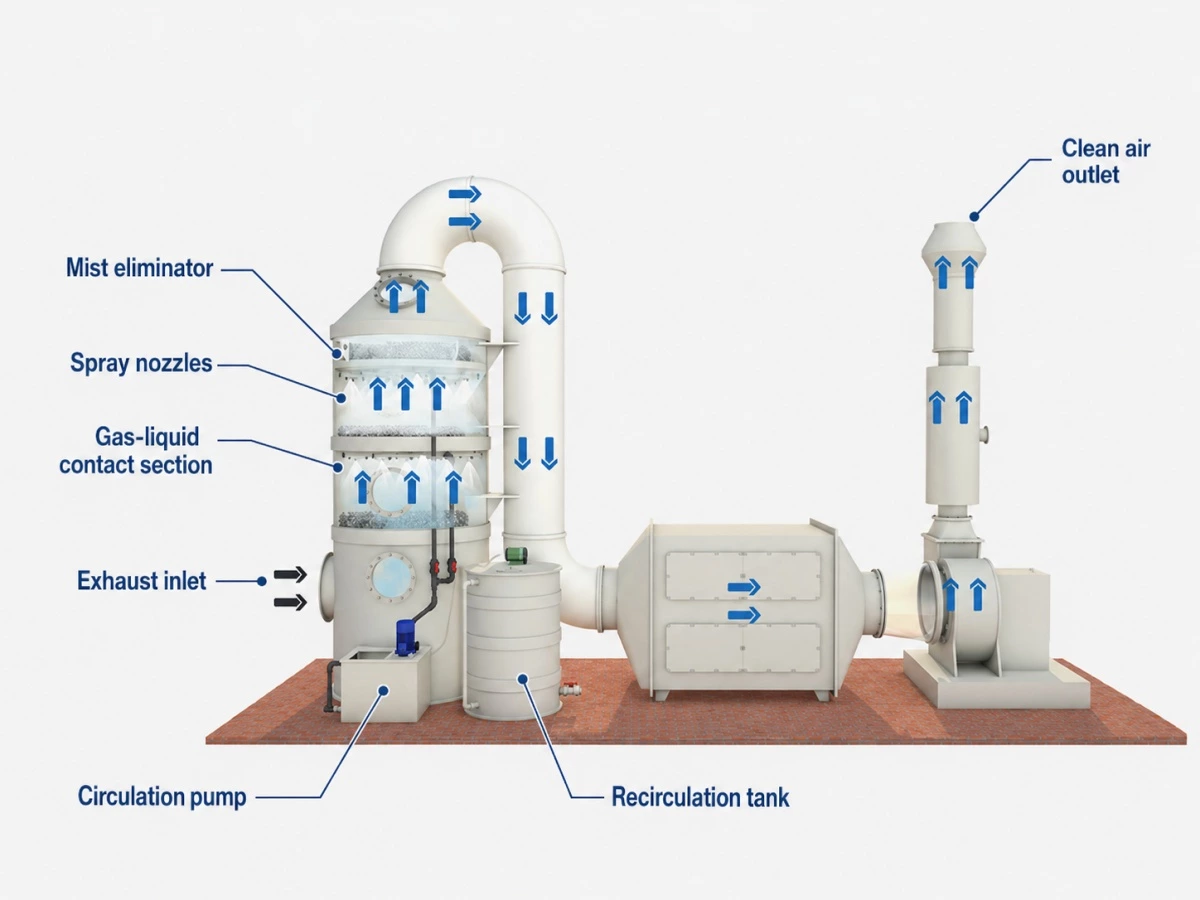
-
Process exhaust enters the lower section of the tower through the connected ductwork.
-
The recirculation pump delivers the absorption liquid to the spray nozzles.
-
The exhaust contacts the sprayed liquid as it moves through the tower. The contact section can be configured according to the pollutant type and required treatment conditions.
-
Entrained liquid droplets are separated before the treated air leaves the tower.
-
The liquid returns to the circulation tank for reuse. Its pH, concentration, dosing and replacement frequency are managed according to the actual exhaust chemistry.
Main Components
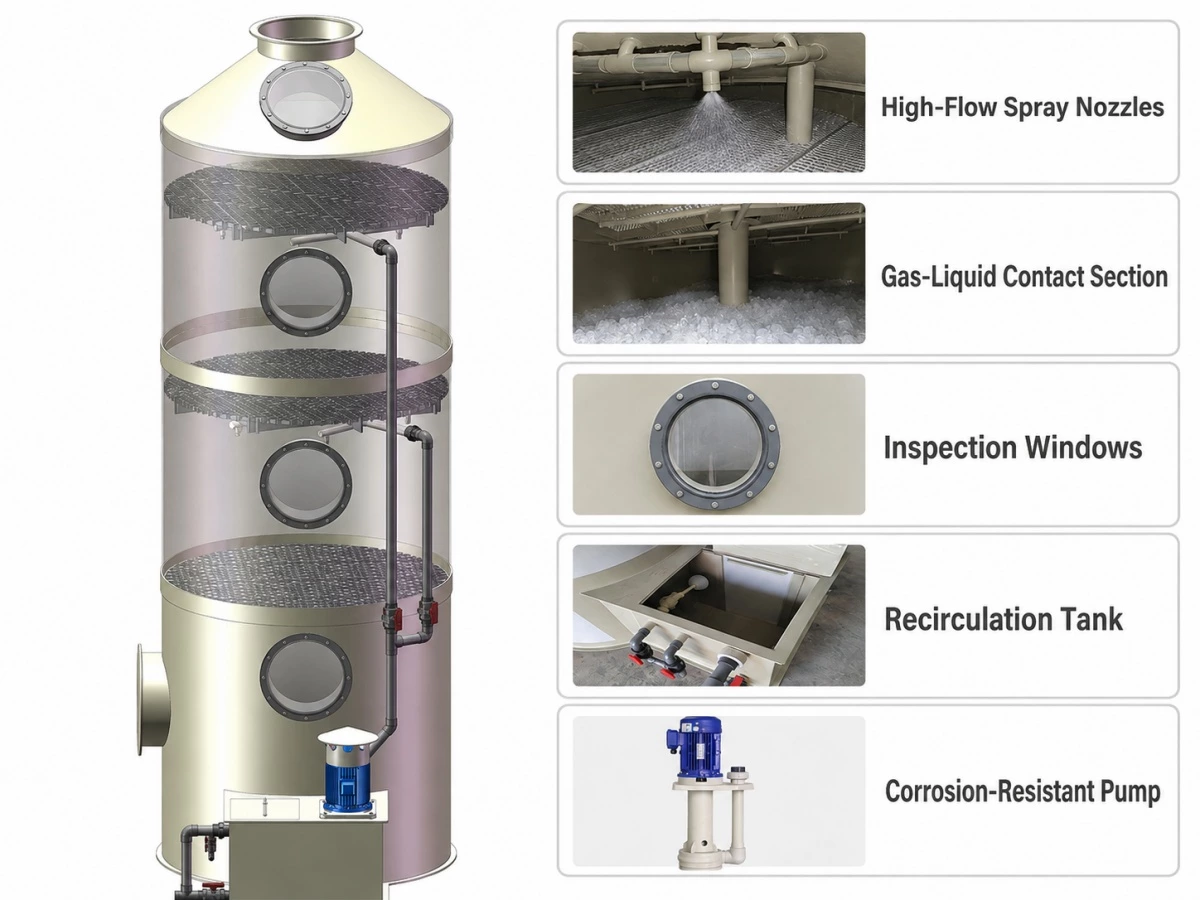
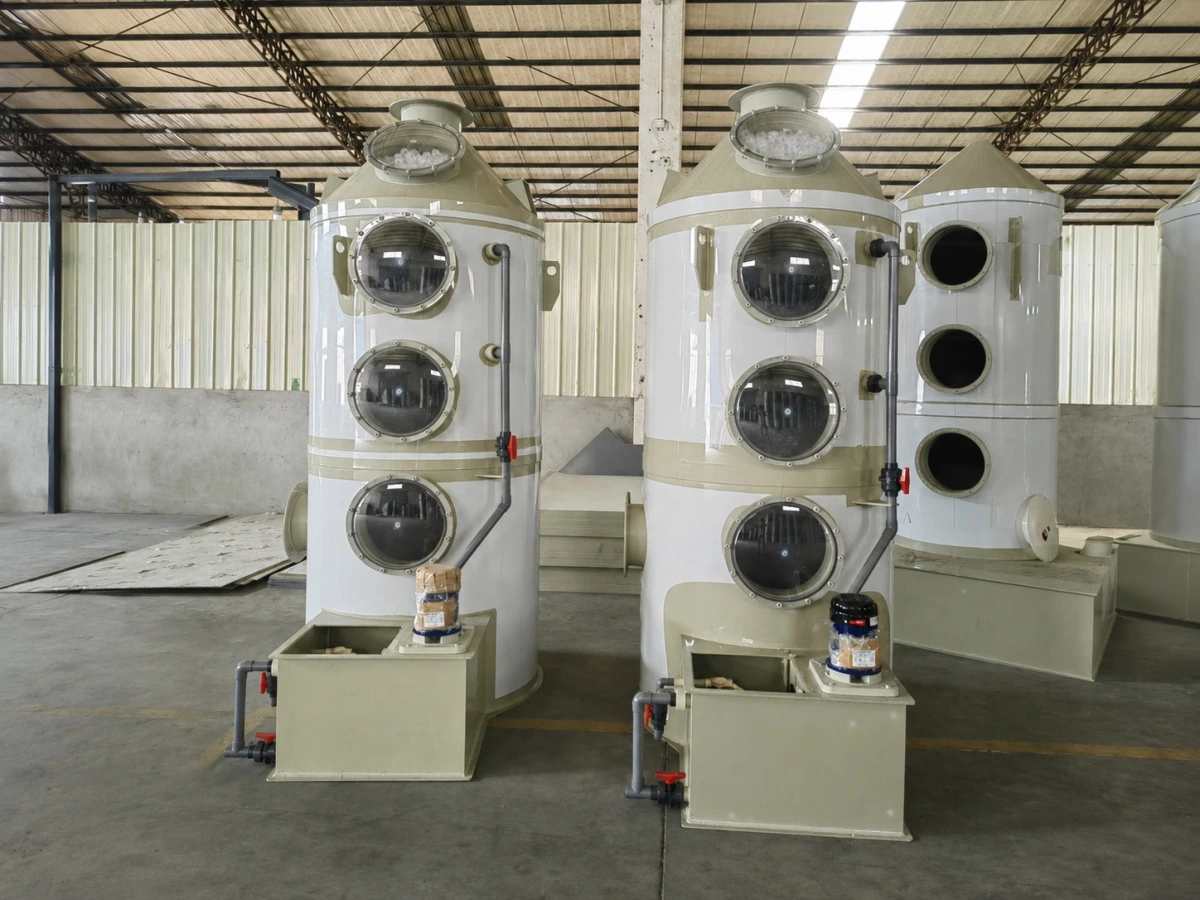
A typical wet scrubber tower can include:
-
Corrosion-resistant PP tower body
-
Gas inlet and outlet connections
-
PP spray piping and nozzles
-
Gas-liquid contact section
-
Droplet separation section
-
Recirculation tank
-
Chemical-resistant circulation pump
-
Inspection and maintenance ports
-
Valves, piping and optional monitoring instruments
The final configuration is confirmed during project engineering.
General Configuration
Equipment type: Wet scrubber tower
Tower material: Corrosion-resistant PP
Treatment method: Recirculating liquid scrubbing
Exhaust airflow: Customized according to the project
Tower dimensions: Engineered according to airflow and site conditions
Spray and contact stages: Customized
Absorption liquid: Selected according to the exhaust composition
Control method: Manual or automatic, depending on the project scope
Installation: Suitable for new systems or existing exhaust system upgrades
Selection and Customization
To select the appropriate tower, the following information should be confirmed:
-
Process tank quantity and dimensions
-
Bath chemistry and operating temperature
-
Exhaust source and contaminant type
-
Required exhaust airflow
-
Inlet contaminant concentration, if available
-
Existing duct size and routing
-
Available installation space
-
Applicable local discharge requirements
-
Required level of automation and monitoring
The scrubber should be sized together with the ductwork and fan. An oversized or undersized tower may create unnecessary pressure loss or insufficient gas-liquid contact.
Installation in an Electroplating Plant
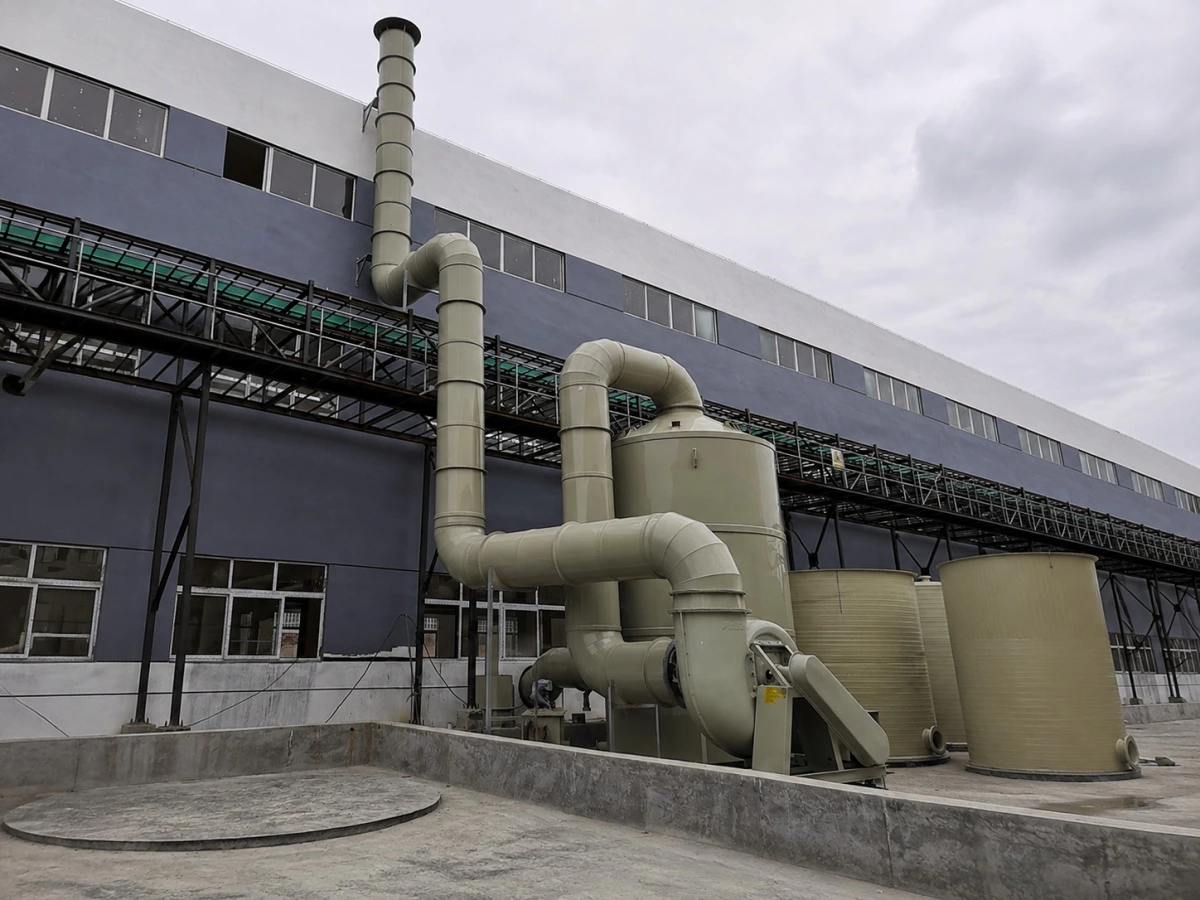
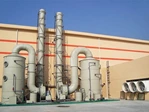
The tower can be connected to a new plating line or incorporated into an existing exhaust system. For retrofit projects, the condition and capacity of the existing hoods, ducts and exhaust fan should be checked before the tower is selected.
For projects requiring tank hoods, PP ductwork, an exhaust fan and system controls, a complete electroplating exhaust gas treatment system can be engineered as one integrated package.
Frequently Asked Questions
1. What pollutants can this wet scrubber treat?
It is mainly used for acid mist, alkaline mist and other water-soluble process exhaust. The suitable absorption liquid and tower configuration depend on the actual exhaust composition.
2. How is the scrubber size determined?
The tower is sized from the required airflow, gas velocity, contaminant type, treatment target, pressure loss and available installation space.
3. Can the tower be connected to an existing exhaust system?
Yes. The existing ductwork, fan capacity, pressure loss and exhaust airflow should be checked before the retrofit design is confirmed.
4. Does one standard tower fit every plating line?
No. Different bath chemistries, tank layouts and airflow requirements require different tower dimensions and circulation configurations.
Request a Project Evaluation
Please send the process tank list, bath chemistry, operating temperature, required airflow, workshop layout and applicable discharge requirements. Our engineering team will review the information and propose a suitable wet scrubber tower configuration.
Request a Quote
If you are interested in our products and want to know more details,please leave a message here,we will reply you as soon as we can.