English
 Español
Complete Exhaust Gas Treatment System for Electroplating Lines
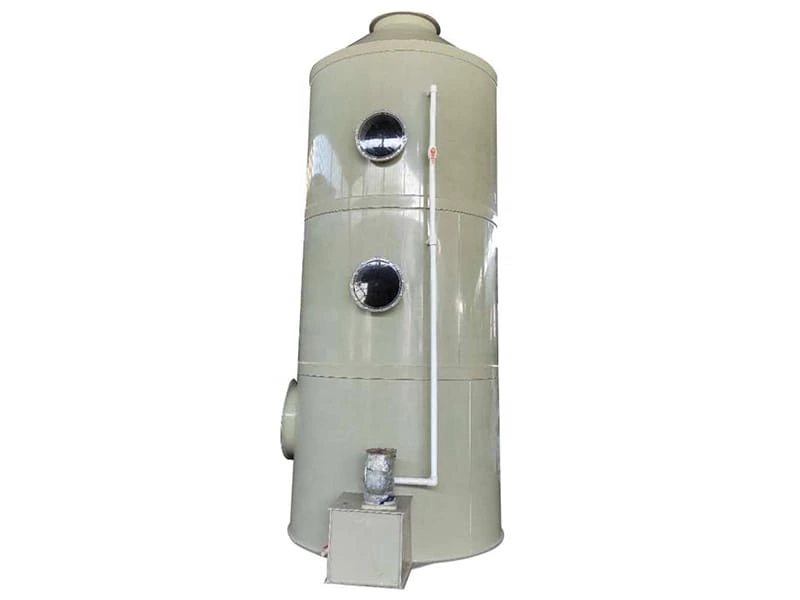
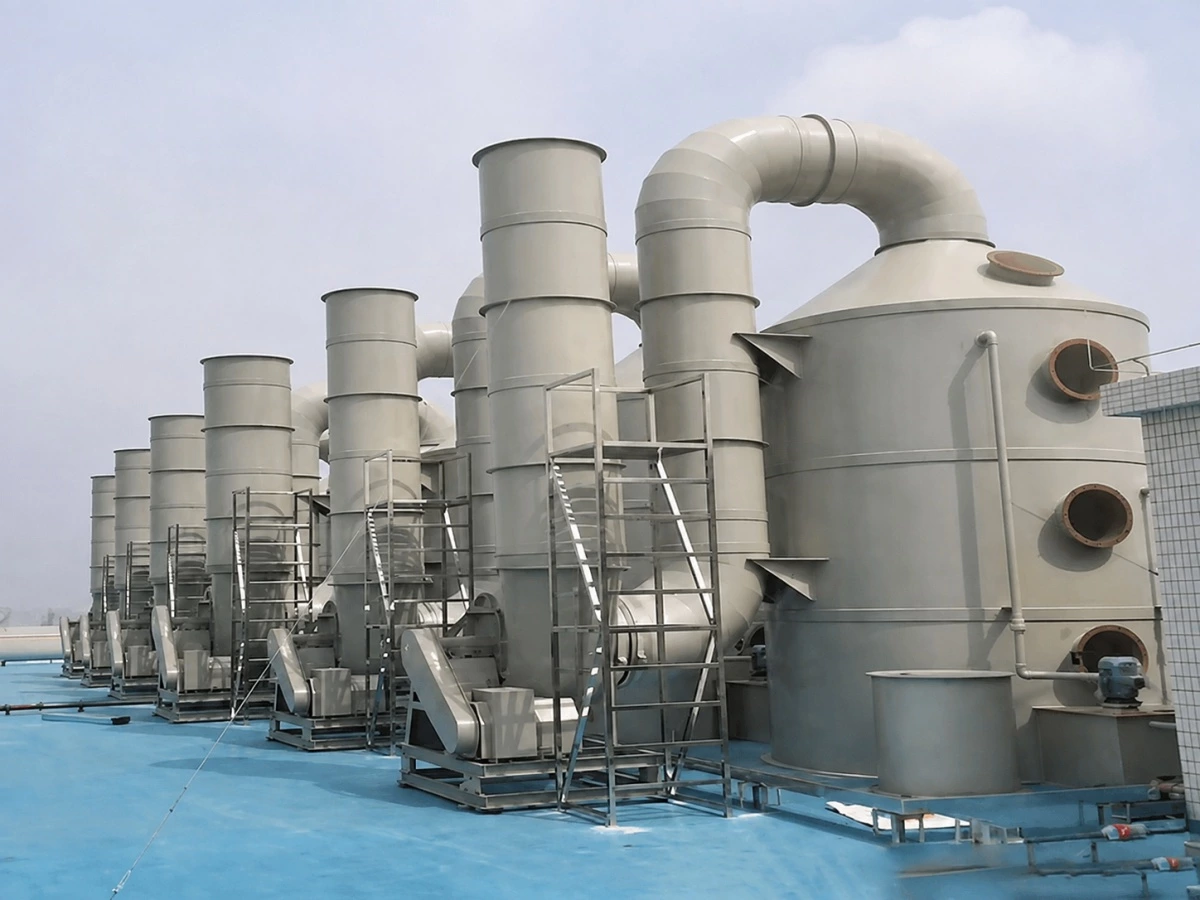
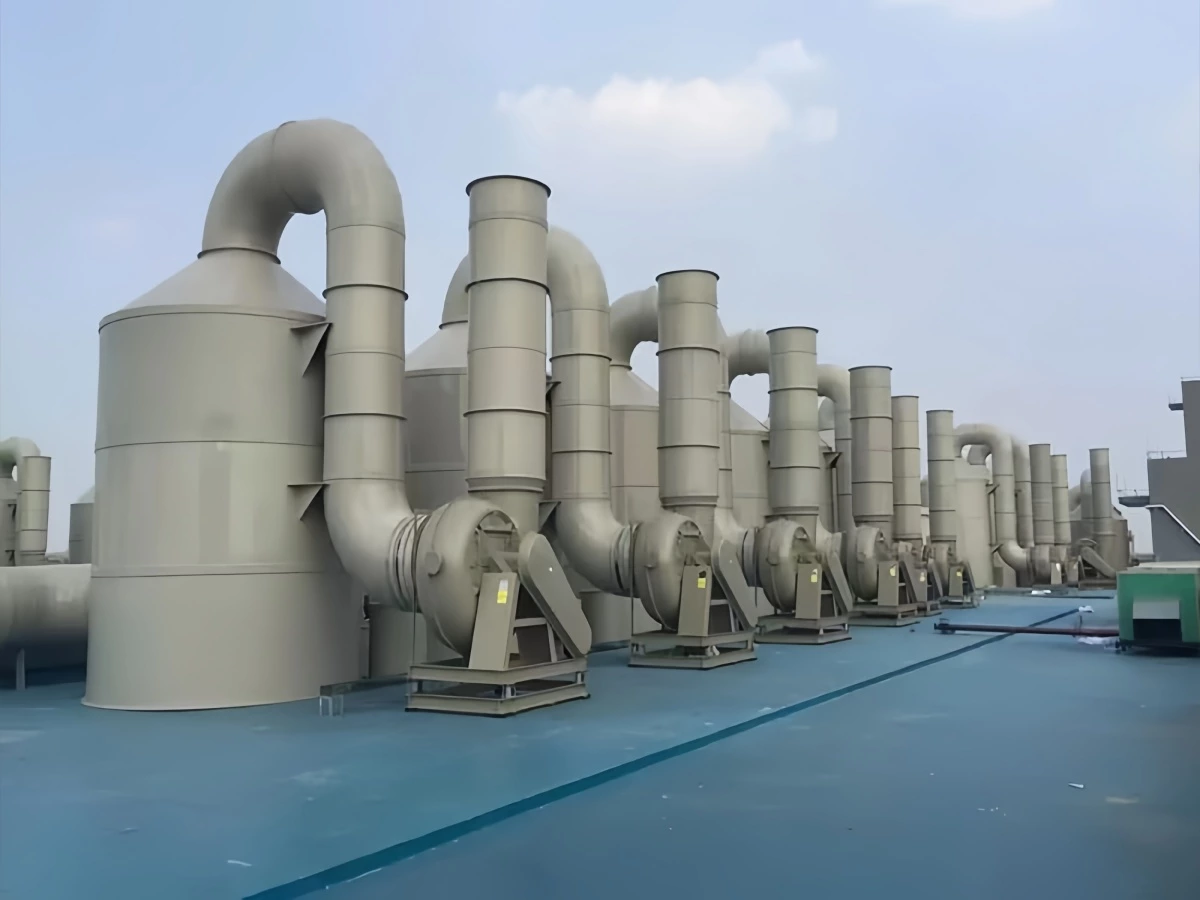
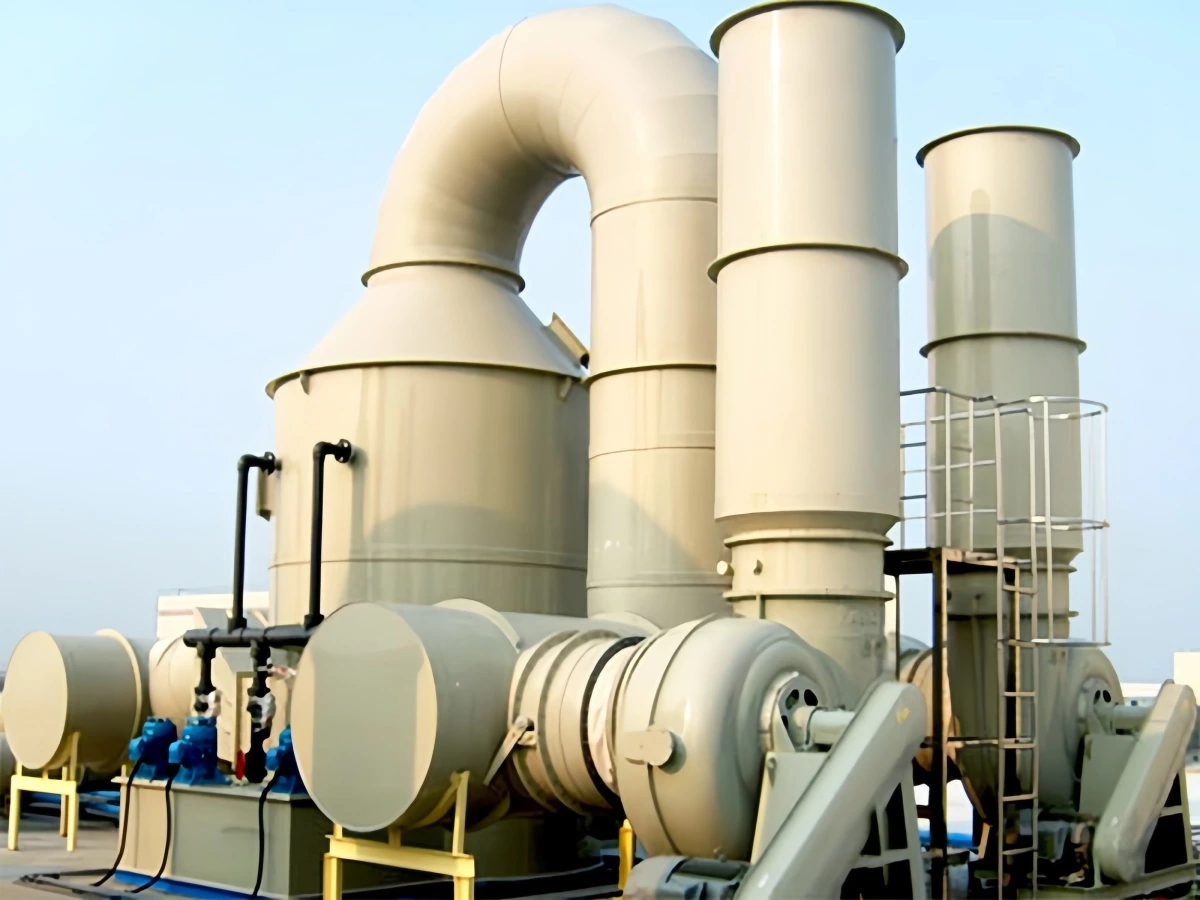
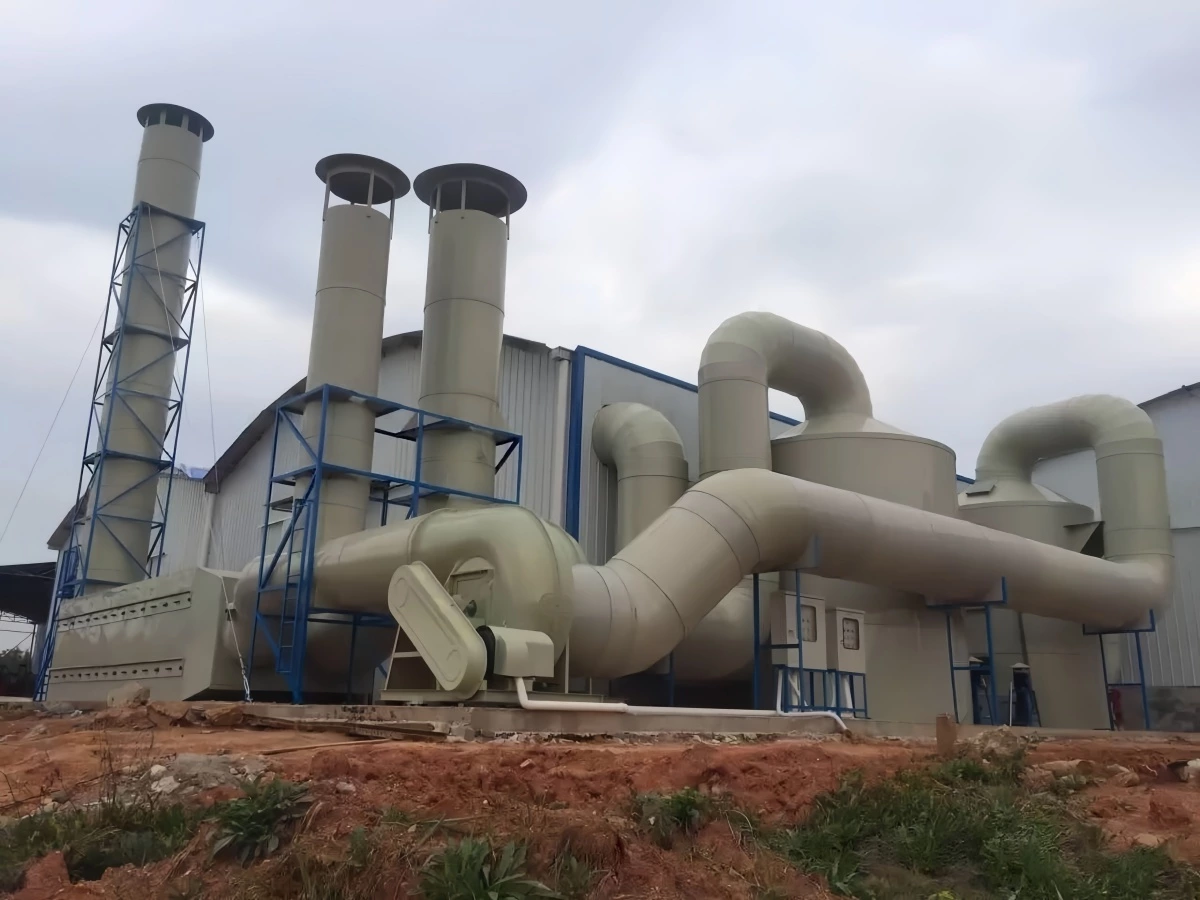
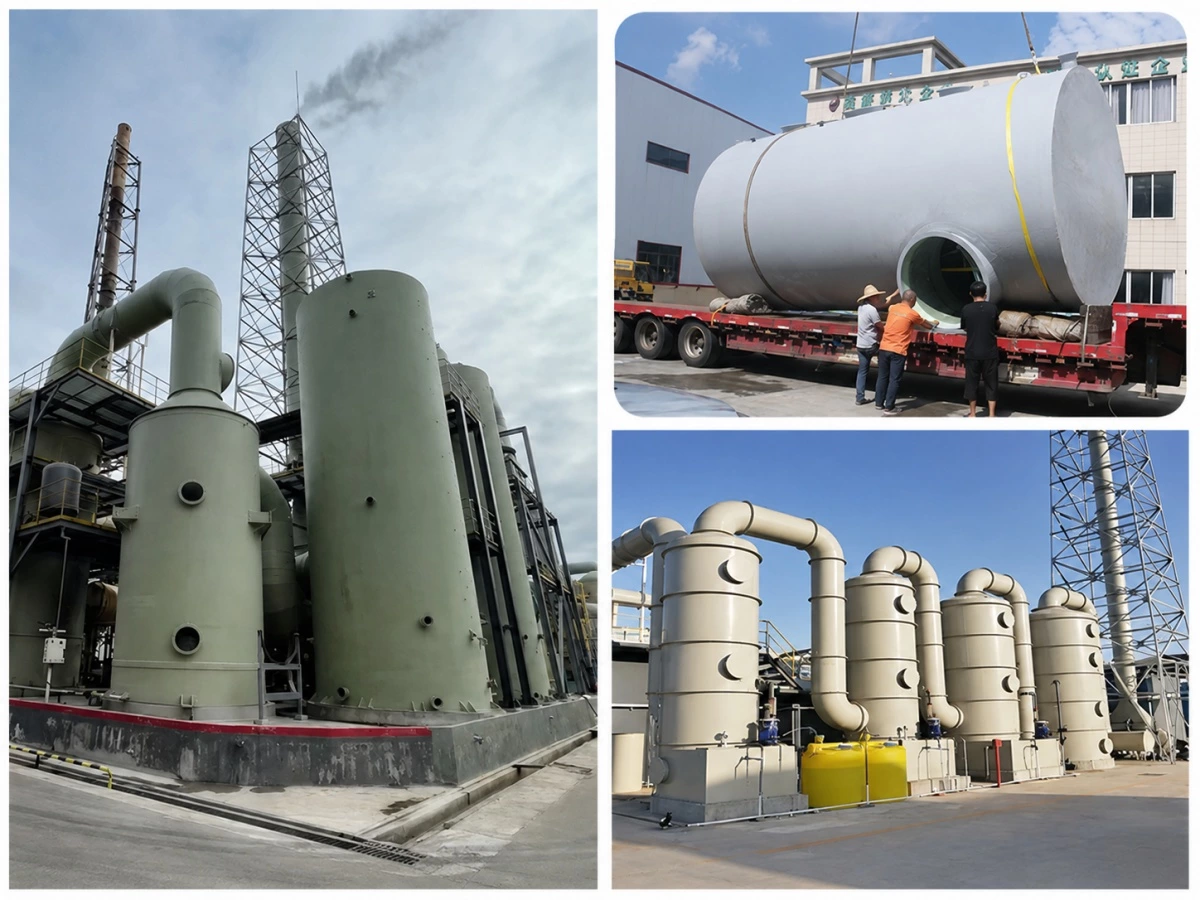
Exhaust Gas Treatment System Spray Purification Tower
- Feature
- Integrated Exhaust Collection and Wet Scrubbing
- Materials
- PP Tower + PP Main Air Duct + FRP Fan
- Application
- Electroplating Line Exhaust Gas Treatment
- Speed
- Customization
- Max Plated Parts
- Customization
- Auxiliary Equipment
- Exhaust Hoods + Ductwork + Wet Scrubber + Fan
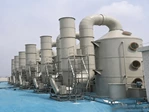
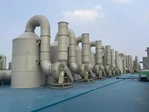
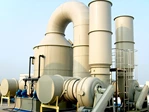
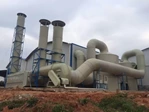
PRODUCT SUMMARY
This integrated exhaust gas treatment system is designed for electroplating and metal surface treatment lines. A typical project can include tank exhaust hoods, PP branch and main ducts, a wet scrubber tower, an FRP centrifugal fan, circulation equipment and system controls, all engineered to match the process sequence, exhaust airflow and workshop layout.
PRODUCT DETAILS
An exhaust treatment tower can only perform correctly when process fumes are captured at the source and delivered to the tower at the required airflow. This complete electroplating exhaust gas treatment system is therefore designed from the tank hood and branch duct through to the wet scrubber, exhaust fan and final discharge point.
The system layout is based on the actual plating process rather than a fixed equipment model. Tank quantity, bath chemistry, operating temperature, simultaneous exhaust demand, duct routing and local discharge requirements are reviewed together before the system is sized.
Typical System Scope
Depending on the project, the exhaust gas treatment system can include:
-
Tank-side or top-mounted exhaust hoods
-
PP branch ducts
-
Air balancing dampers
-
PP main exhaust duct
-
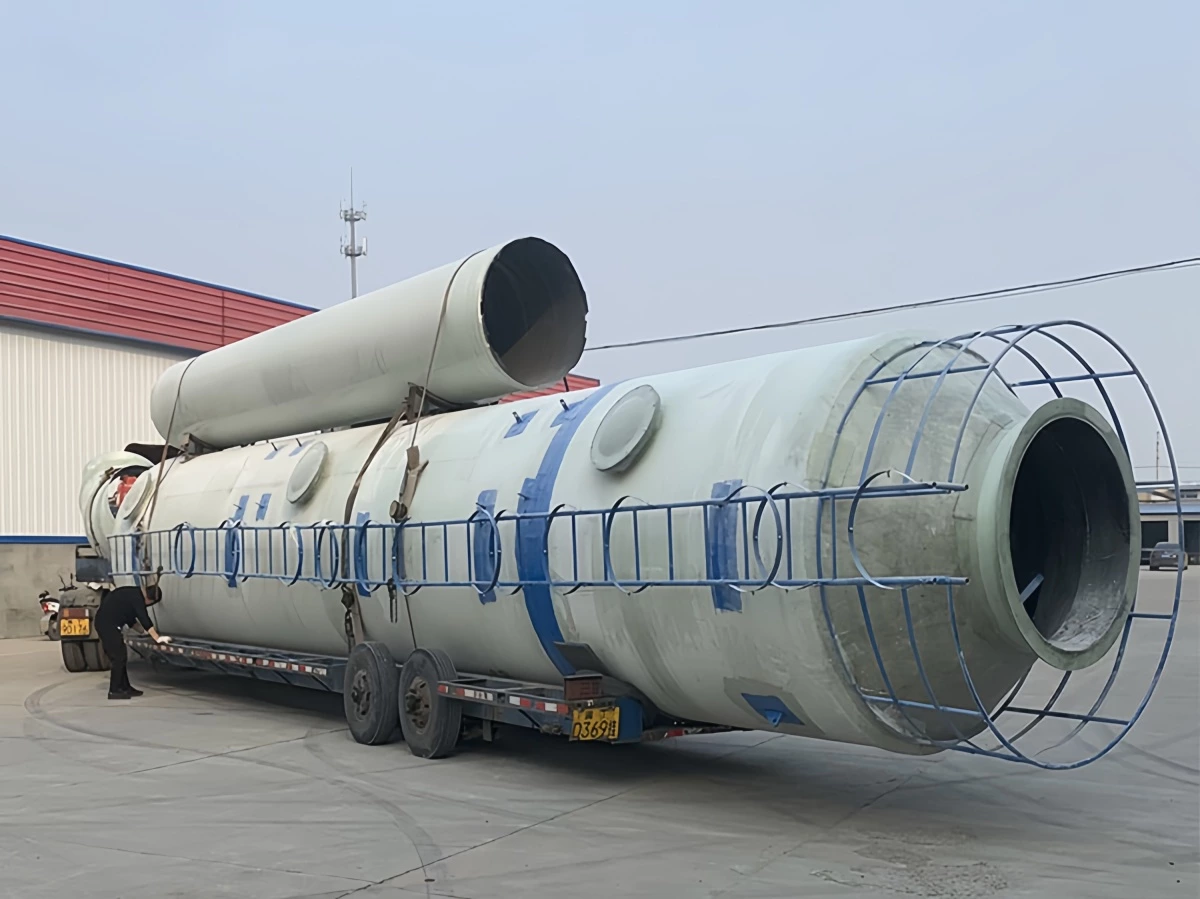
Corrosion-resistant PP wet scrubber tower
-
Spray and gas-liquid contact sections
-
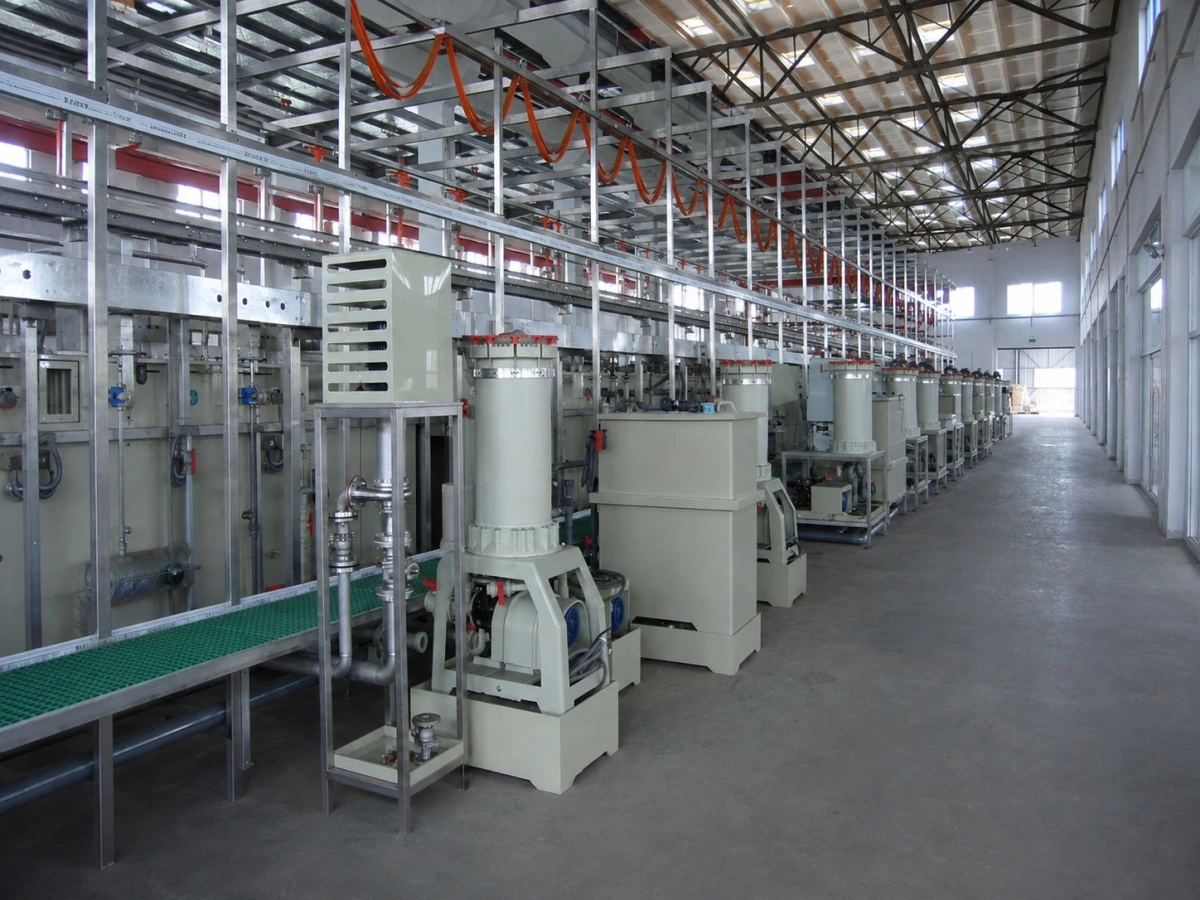
Recirculation tank and chemical-resistant pump
-
Droplet separation section
-
FRP centrifugal exhaust fan
-
Exhaust stack
-
Dosing and liquid management equipment
-
Electrical control cabinet
-
Optional pressure, pH or liquid-level monitoring
The exact supply scope is confirmed in the technical proposal.
How the Complete System Works
1. Source Capture
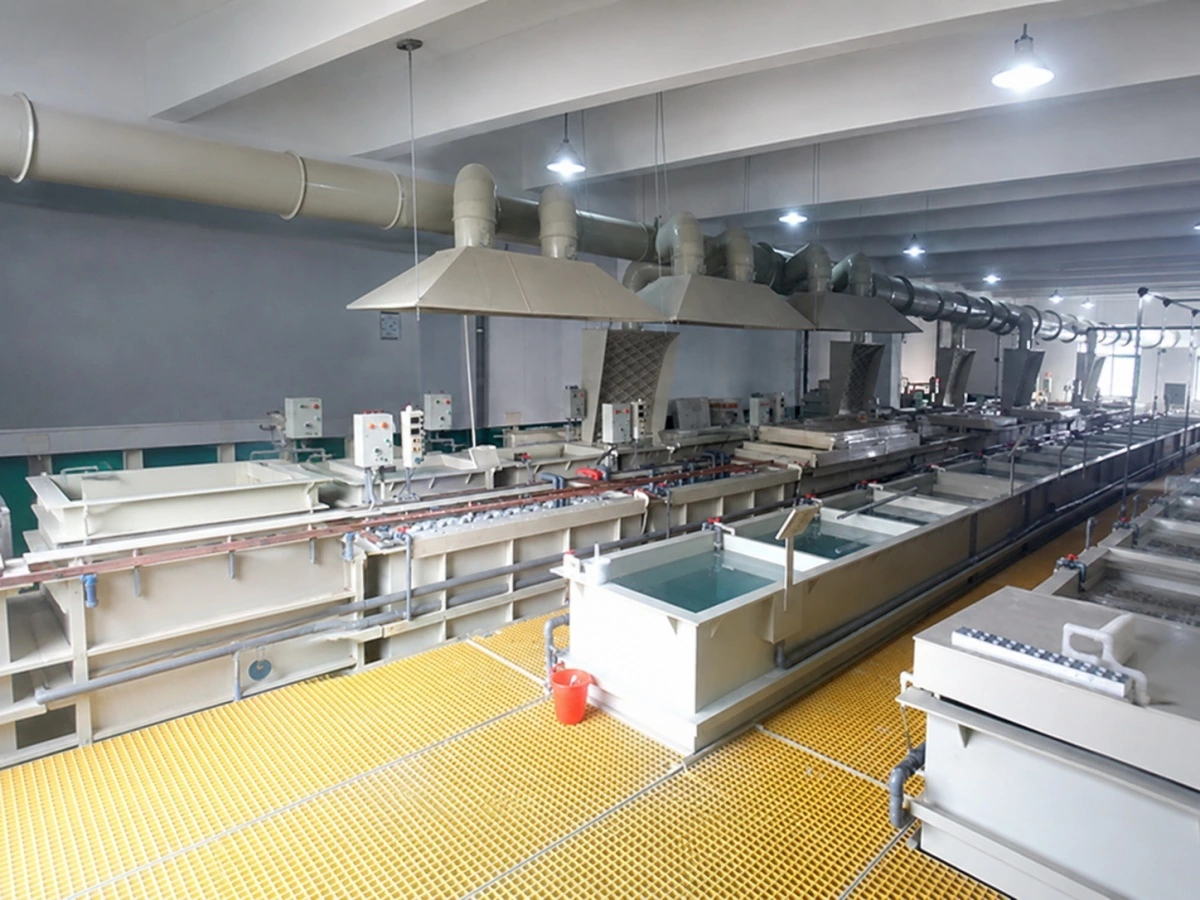
Exhaust hoods collect mist as close as practical to the process tanks. Hood type and extraction position are selected according to the tank dimensions, operating method and access required by the plating line.
2. Exhaust Transport and Balancing
Branch ducts carry the exhaust into the PP main duct. Dampers and duct dimensions are arranged to balance the airflow between different tanks and prevent nearby branches from drawing substantially more air than distant branches.
3. Wet Scrubbing
The collected exhaust enters the wet scrubber tower and contacts a circulating absorption liquid. The tower configuration and liquid chemistry are selected according to the pollutants and required outlet conditions.
4. Droplet Separation
Liquid droplets carried by the airflow are separated before the air leaves the tower, helping reduce liquid carryover into the fan and exhaust stack.
5. Induced Draft and Discharge
The FRP centrifugal fan provides the pressure needed to overcome resistance from the hoods, ductwork, scrubber tower and stack. Fan selection is completed after the system pressure loss has been calculated.
6. Liquid Management
The scrubbing liquid is recirculated through the tower. Dosing, pH control, concentration monitoring and blowdown requirements depend on the actual process chemistry.
Why the System Must Be Engineered as One Package
Installing a large scrubber tower does not correct an exhaust system with poorly designed hoods or unbalanced ductwork. If the capture airflow is too low, mist can escape into the workshop. If it is unnecessarily high, the system consumes more fan power and may require an oversized tower.
For this reason, the following items are calculated together:
-
Required capture airflow at each tank
-
Number of tanks operating simultaneously
-
Branch and main duct dimensions
-
Duct velocity and pressure loss
-
Scrubber tower capacity
-
Fan airflow and static pressure
-
Stack arrangement
-
Available installation space
-
Control and monitoring requirements
General Configuration
System type: Integrated exhaust collection and wet scrubbing system
Primary application: Electroplating and metal surface treatment lines
Scrubber material: Corrosion-resistant PP
Main duct material: PP
Exhaust fan: FRP centrifugal fan
Exhaust airflow: Customized according to the tank and process layout
Hood configuration: Customized according to the process tanks
Scrubber stages: Selected according to the exhaust composition
System control: Manual or automatic, depending on project requirements
Installation type: New electroplating line or existing line retrofit
Applications
The system can be engineered for:
-
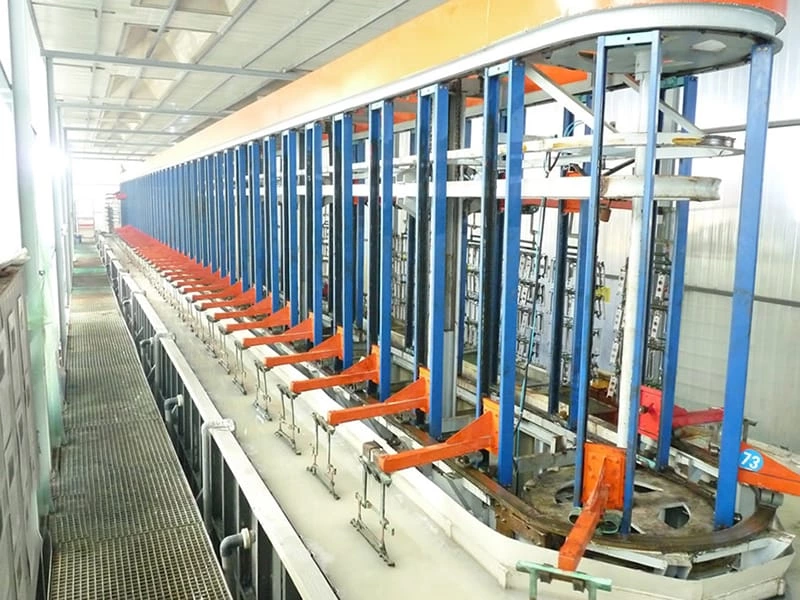
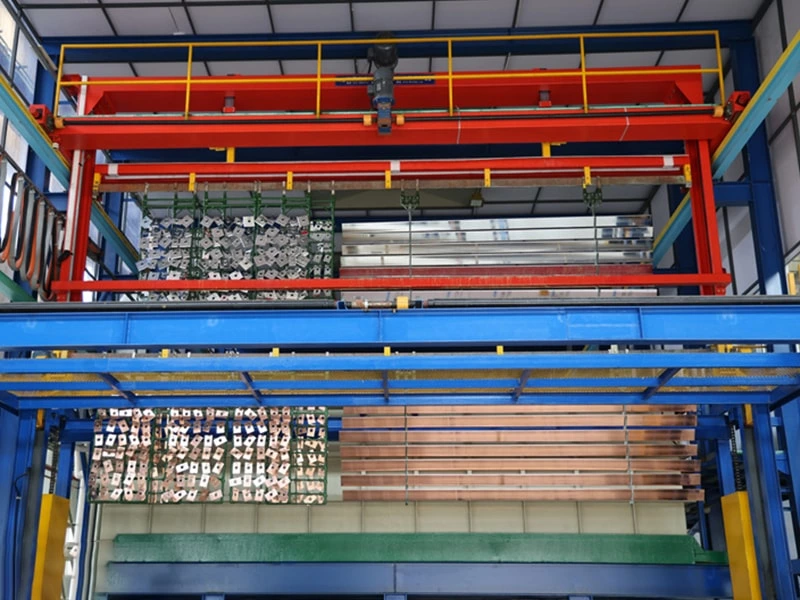
Automatic rack electroplating lines
-
Automatic barrel electroplating lines
-
Pickling and pretreatment sections
-
Manual or semi-automatic plating workshops
-
New factory exhaust installations
-
Upgrades to existing plating line ventilation systems
The suitable treatment method depends on the actual pollutant composition. Additional treatment stages may be required when the exhaust contains contaminants that cannot be effectively handled by wet absorption alone.
Information Required for System Design
Please provide as much of the following information as possible:
-
Plating process flow
-
Tank quantity and tank dimensions
-
Bath chemistry and operating temperature
-
Tank layout drawing
-
Existing or required exhaust airflow
-
Number of tanks operating at the same time
-
Workshop dimensions and available equipment area
-
Proposed duct route and discharge position
-
Local discharge limits
-
Available power, water and chemical supply
-
Required control and monitoring level
Where an existing system is being upgraded, duct dimensions, fan nameplate data, airflow measurements and photographs of the current installation are also helpful.
New Line and Retrofit Projects
For a new electroplating line, the exhaust hoods, duct route and treatment equipment should be considered during the line layout stage. This avoids conflicts with hoists, platforms, piping and maintenance access.
For an existing line, the current capture performance and system pressure loss should be assessed before new equipment is added. Replacing only the tower or fan without checking the full system may not solve the original exhaust problem.
The electroplating wet scrubber tower can also be supplied separately when the customer already has suitable hoods, ductwork and an exhaust fan.
Frequently Asked Questions
1. Is this supplied as a complete exhaust system?
It can be supplied as a complete system or as selected equipment. The final scope can include hoods, PP ductwork, wet scrubber tower, FRP fan, stack, circulation equipment and controls.
2. How is the required airflow calculated?
Airflow is determined from the tank dimensions, hood arrangement, process temperature, contaminant release conditions and the number of tanks operating simultaneously.
3. Can the system be connected to an existing plating line?
Yes. The existing ductwork, fan capacity, available space and current capture performance should be reviewed before the retrofit proposal is prepared.
4. Can one fan serve several plating tanks?
Yes, provided the branch ducts and dampers are correctly sized and balanced. The fan must also provide sufficient airflow and static pressure for the complete network.
5. Can the system guarantee compliance with local emission requirements?
The applicable standard and required outlet concentration must be confirmed during design. Treatment performance depends on the exhaust composition, inlet concentration, airflow, scrubbing liquid and operating conditions.
Discuss Your Electroplating Exhaust Project
Send us the plating process, tank list, bath chemistry, workshop layout and required discharge conditions. Our engineering team can review the complete exhaust path and prepare a system proposal covering source capture, ductwork, wet scrubbing, fan selection and controls.
Request a Quote
If you are interested in our products and want to know more details,please leave a message here,we will reply you as soon as we can.