English
 Español
How to Prevent Copper Tarnishing in Electroplating Process (Complete Guide)
How to Prevent Copper Products from Tarnishing in Electroplating Production
Introduction
Copper and brass components—such as faucets, door handles, and sanitary hardware—are widely used for their appearance and durability. However, one common issue manufacturers face is surface tarnishing over time.
Discoloration not only affects product appearance but also leads to customer complaints, returns, and brand damage.
So, what causes copper tarnishing, and how can it be effectively prevented in an industrial electroplating process?
This guide explains the key reasons and practical solutions from a production perspective.
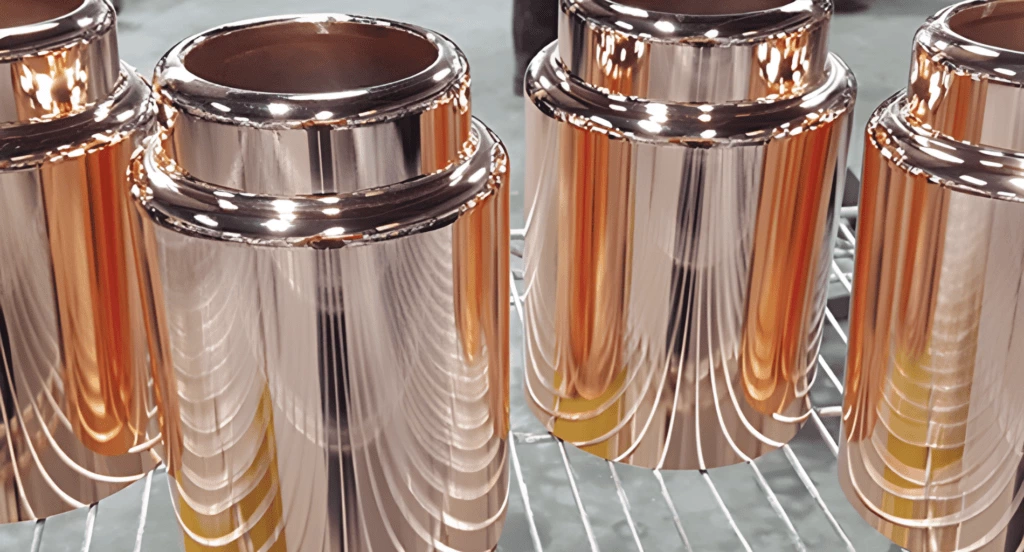
Why Do Copper Products Tarnish?
Copper is a reactive metal. When exposed to air, moisture, and contaminants, it naturally oxidizes.
In industrial production, the main causes include:
1. Surface Contamination
Oil, grease, and residues left on the surface can accelerate oxidation.
2. Microscopic Surface Defects
Even polished parts have:
-
micro pores
-
scratches
-
uneven surfaces
These areas trap moisture and chemicals, becoming starting points for corrosion.
3. Inconsistent Pre-treatment
Manual or unstable processes lead to uneven cleaning and activation, which affects coating adhesion.
4. Poor Coating Quality
If electroplating layers are not dense or uniform:
-
oxygen and moisture can penetrate
-
oxidation starts from inside
How to Prevent Tarnishing: Key Process Solutions
To ensure long-term surface quality, the solution is not just coating—but a complete and controlled electroplating process.
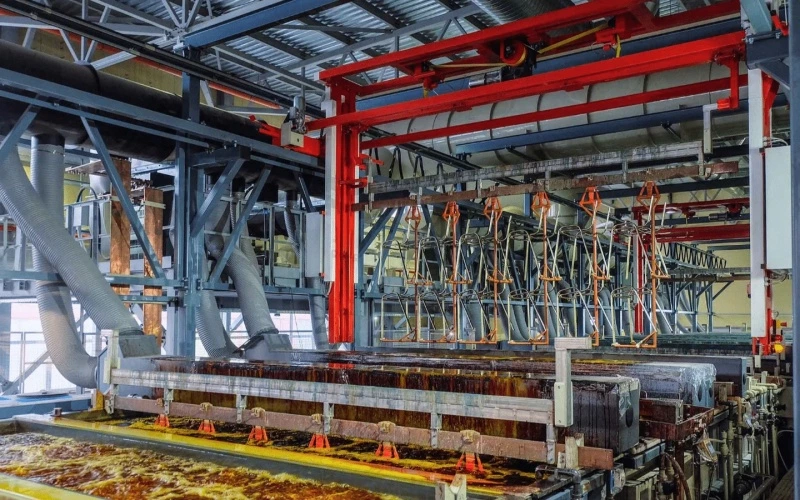
1. Proper Pre-treatment (Critical Step)
A stable pre-treatment process ensures the surface is clean and activated.
Recommended equipment:
-
Ultrasonic cleaning machine
-
Degreasing tanks
-
Acid activation system
👉 Purpose:
-
Remove oil and contaminants
-
Open and activate metal surface
-
Improve coating adhesion
2. Stable Electroplating Power Supply
Uniform current distribution is essential for coating quality.
Recommended equipment:
-
Electroplating rectifier (DC power supply)
👉 Benefits:
-
Stable voltage and current
-
Consistent coating thickness
-
Better surface finish
3. High-Quality Plating Tank & Circulation System
The plating environment directly affects coating density.
Key factors:
-
Tank material (PP / PVC)
-
Solution filtration
-
Temperature control
👉 Recommended equipment:
-
Electroplating tank
-
Plating filter system
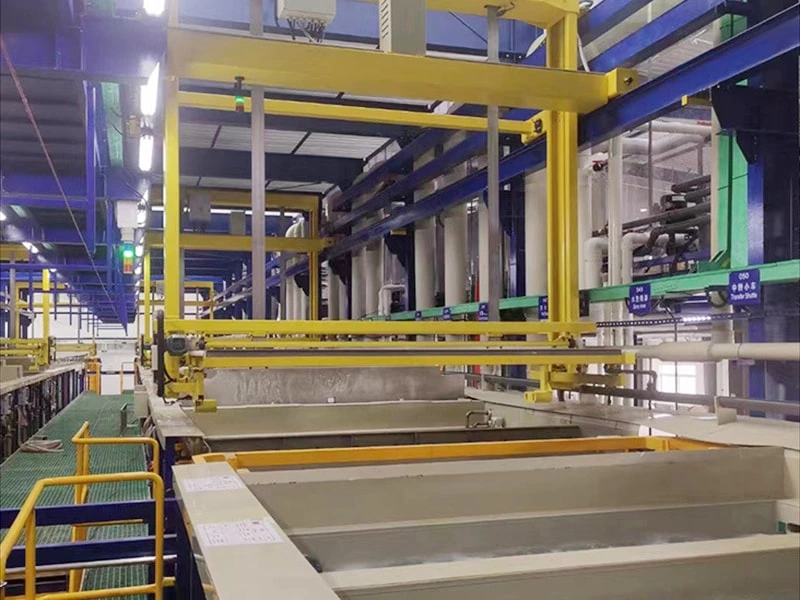
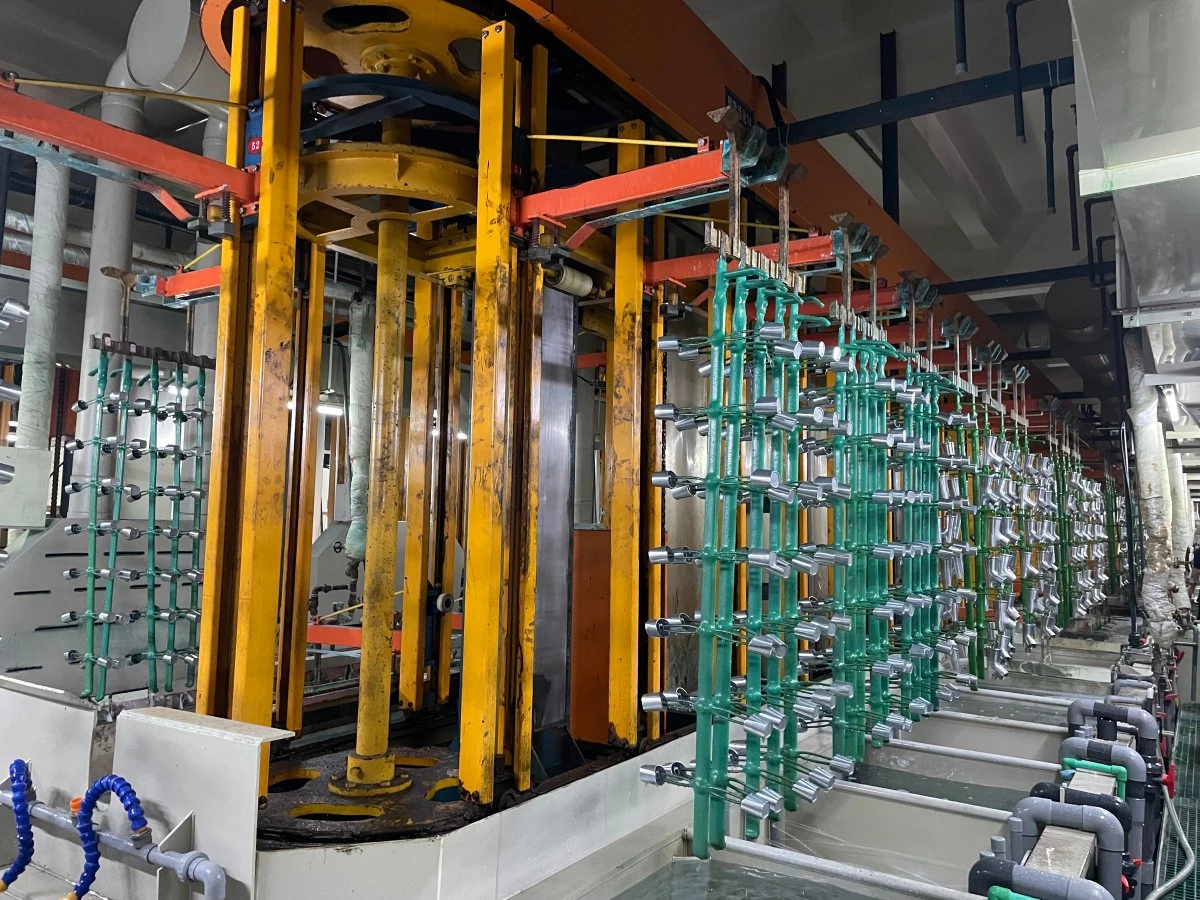
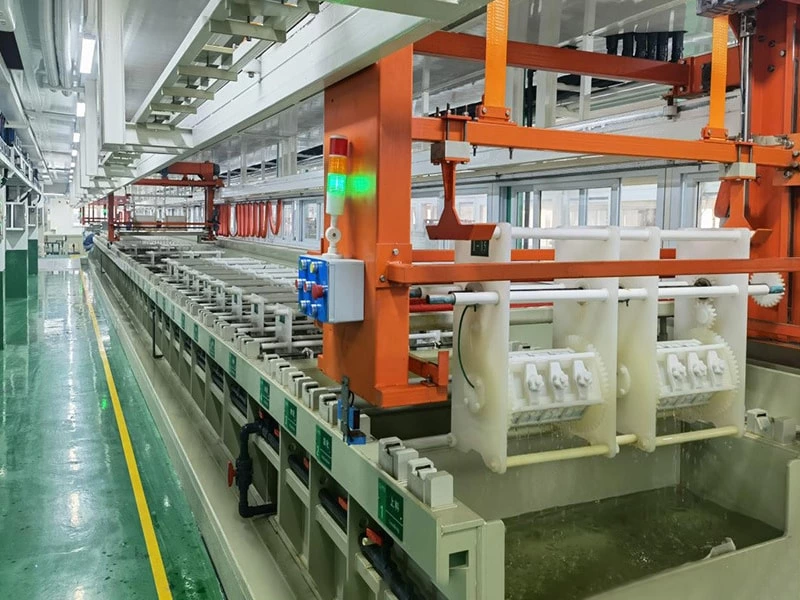
4. Automated Electroplating Line (Best Solution)
Manual processes often lead to inconsistency.
An automatic electroplating line ensures:
-
repeatable process control
-
consistent quality
-
reduced human error
👉 Typical system includes:
-
pre-treatment line
-
plating section
-
rinsing and drying
5. Post-treatment Protection
After plating, additional protection can extend product life.
Options:
-
anti-tarnish coating
-
sealing treatment
-
passivation
Why Automation Matters
Compared to manual production, automated systems provide:
-
✔ Consistent surface quality
-
✔ Reduced defect rate
-
✔ Lower labor dependency
-
✔ Better long-term performance
For manufacturers producing faucets, sanitary hardware, and decorative metal parts, automation is becoming essential.
Applications
These solutions are widely used in:
-
faucet manufacturing
-
bathroom accessories
-
door handles
-
brass hardware
-
decorative metal components
Conclusion
Copper tarnishing is not unavoidable—it is a controllable production issue.
By improving:
-
surface pre-treatment
-
plating stability
-
process automation
manufacturers can significantly improve product durability and appearance.
If you are facing issues with:
-
discoloration
-
coating defects
-
inconsistent quality
it may be time to upgrade your electroplating process.
Get Professional Electroplating Solutions
We provide complete electroplating equipment and automated line solutions, including:
-
ultrasonic cleaning systems
-
electroplating rectifiers
-
plating tanks and filters
-
full automatic electroplating lines
👉 Contact us to discuss your project and find the right solution for your production.