English
 Español
Custom Electroplating Tanks for Automatic Plating Lines
Custom process tanks for the cleaning, plating and rinsing stages of automatic electroplating lines. Tank dimensions, construction materials and connection positions are specified around the process solution, rack or barrel arrangement, and installation layout. Auxiliary equipment is configured according to the agreed project scope.
- Feature
- Custom dimensions and process connections
- Materials
- PP / PVC / stainless steel, subject to process compatibility
- Application
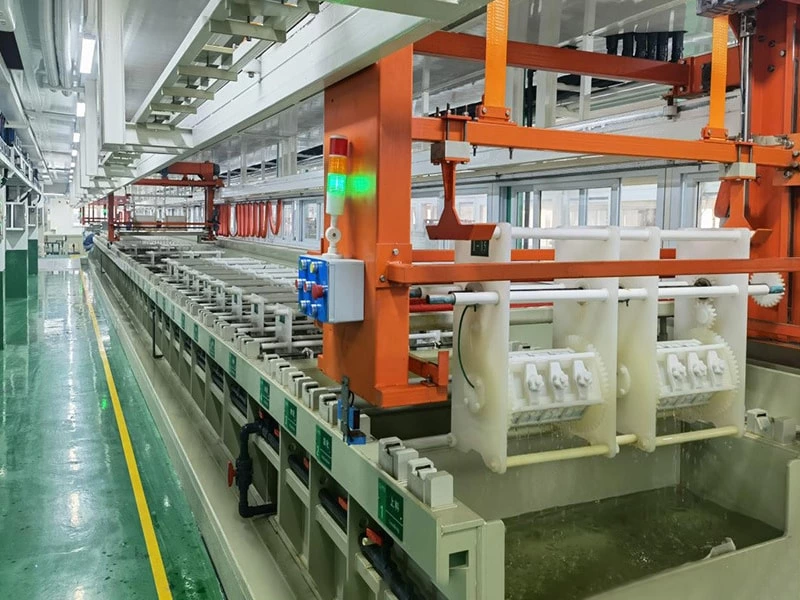
- Automatic rack and barrel electroplating lines
- Auxiliary Equipment
- Filtration, heating, cooling and rectifiers, as specified

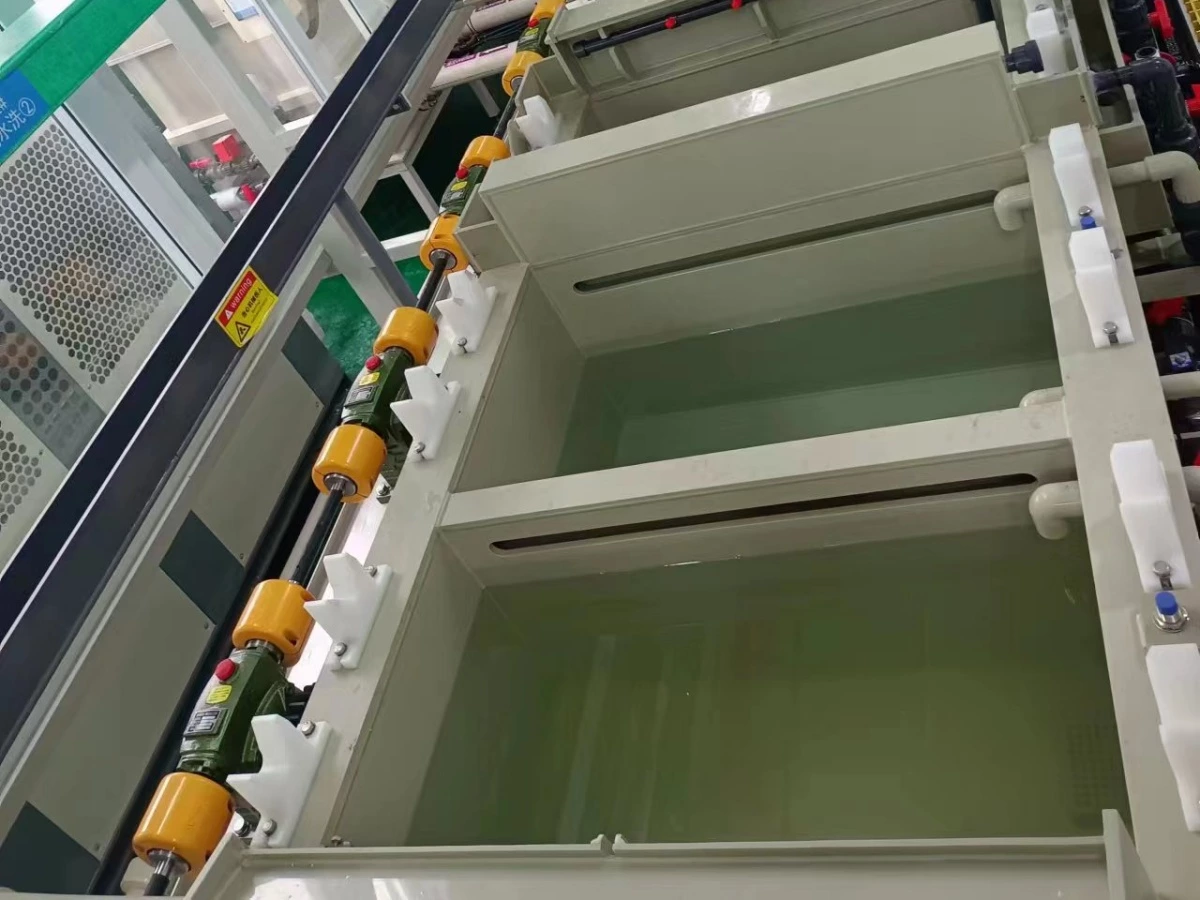
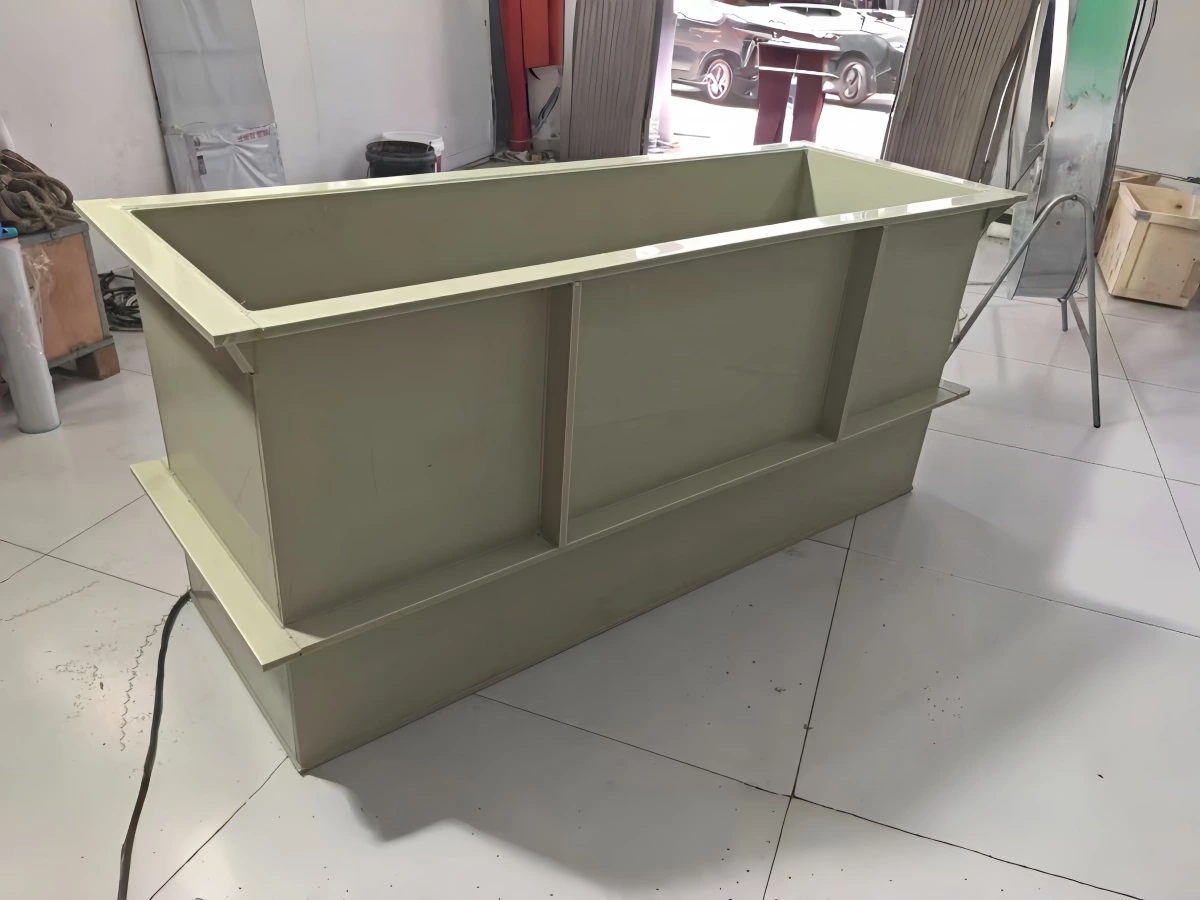
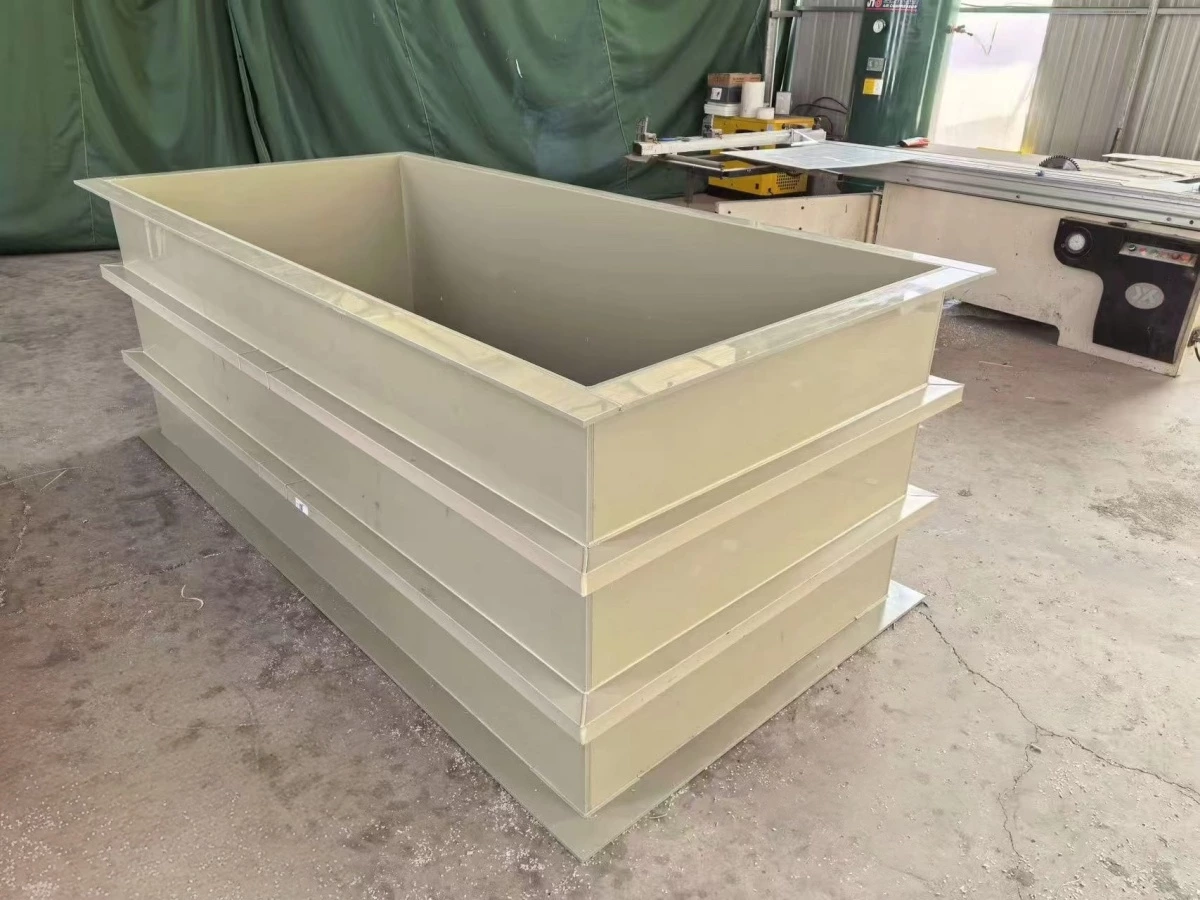
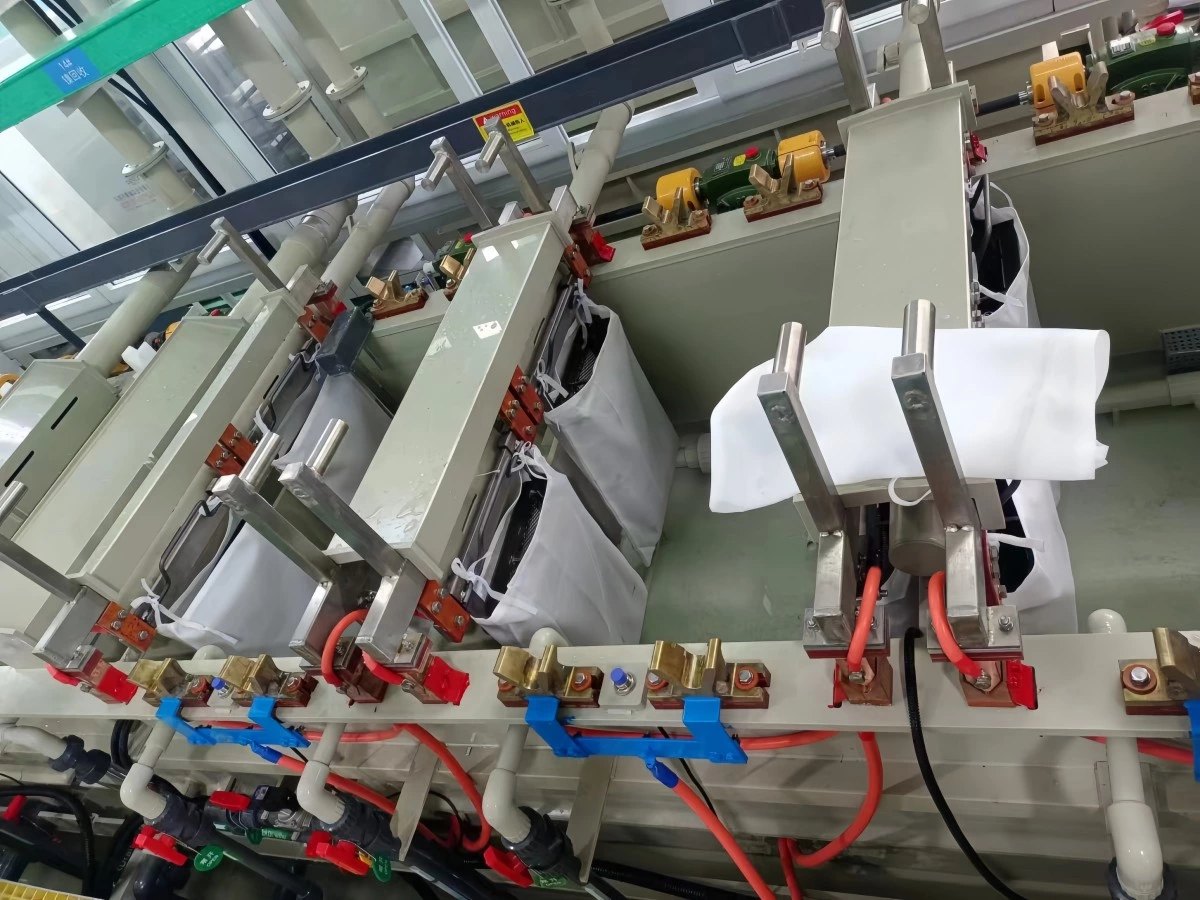
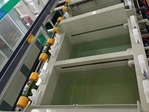
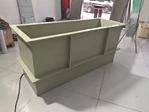
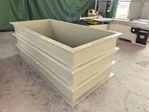
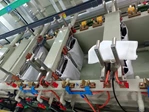
A process tank in an automatic electroplating line must do more than hold solution. Its opening must accommodate the loaded rack or barrel, its position must match the transfer system, and its pipe connections must remain accessible after installation.
We supply custom electroplating process tanks for line projects, with dimensions and equipment interfaces specified for each process stage. The tank arrangement is developed around the approved process sequence and workshop layout, rather than using one identical configuration throughout the line.
Tank Layout for Rack and Barrel Lines
For a rack electroplating line, the usable tank space must account for the loaded rack, anode arrangement, immersion depth and clearance during lifting and lowering. Heaters, pipework and other internal components also occupy space and must be included in the layout.
For a barrel electroplating line, the tank must accommodate the barrel assembly, its operating movement and the space needed to lift it clear of the bath. Barrel supports and drive arrangements must be coordinated with the tank and transfer equipment.
In both cases, the outside tank dimensions alone are not enough to confirm whether the equipment will fit.
Tank Specification and Configuration
The following items define the tank configuration for a project. Final dimensions, material selection and included equipment are confirmed in the technical proposal.
| Specification item | Project basis |
|---|---|
| Process duty | Cleaning, activation, electroplating or rinsing, according to the approved process |
| Internal dimensions | Loaded rack or barrel size, immersion requirements and internal equipment clearance |
| Working liquid level | Required immersion depth, displaced liquid and allowance below the tank rim |
| Construction material | PP, PVC or stainless steel where suitable for the specified solution and operating conditions |
| Wall construction and reinforcement | Tank dimensions, liquid load, temperature and support arrangement |
| Tank position | Station spacing, transfer equipment alignment and maintenance access |
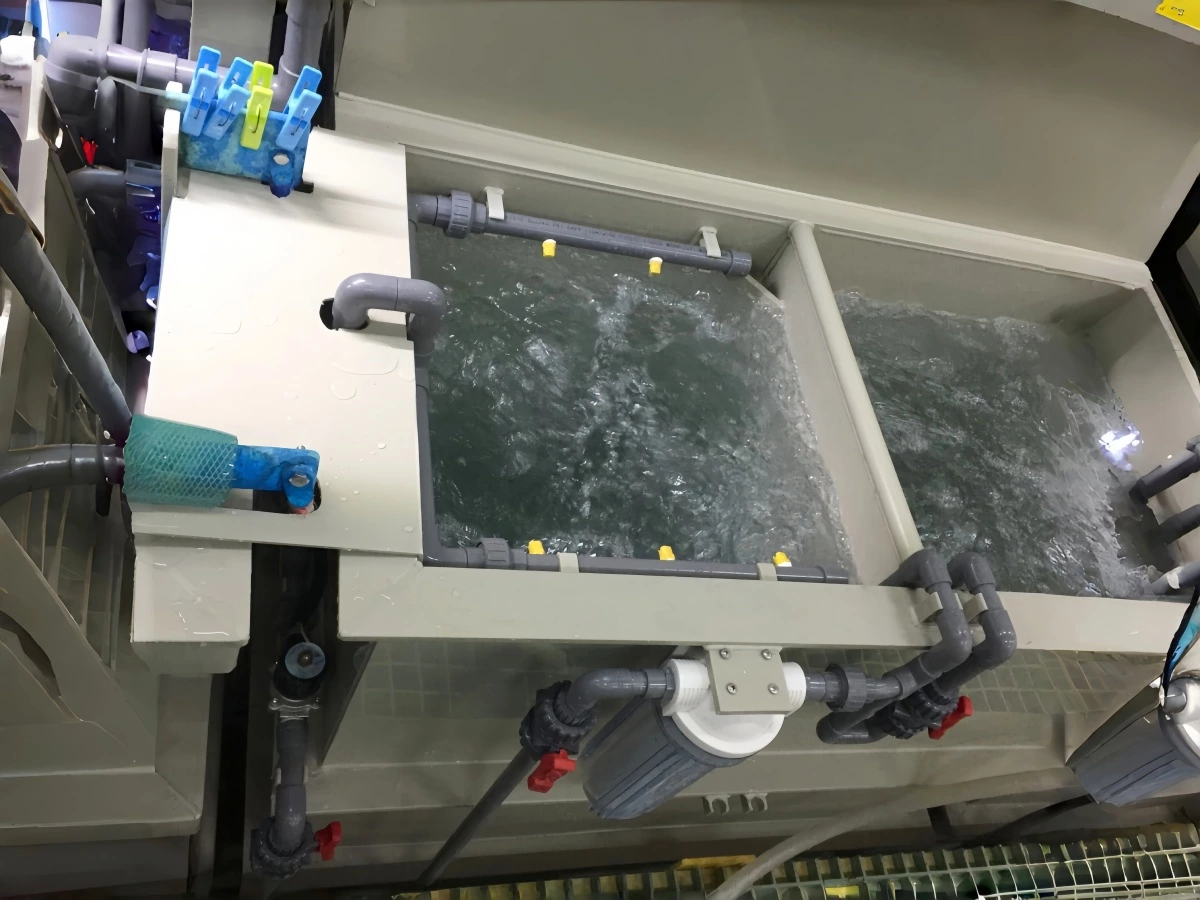
| Pipe connections | Filling, draining, overflow and circulation connections as required |
| Auxiliary equipment | Filtration, heating, cooling, electrical contacts and other equipment as specified |
Tank volume and production capacity are different specifications. The number of process positions also depends on treatment time, loading and the transfer schedule. Our electroplating line capacity calculation guide explains how these requirements affect the line arrangement.
Drainage, Overflow and Equipment Connections
Connection positions need to be planned before the tank layout is finalized. A drain outlet that is accessible on a loose tank may become difficult to reach once neighboring tanks, walkways and pipework are installed.
Depending on the process, the connection layout may include:
-
Drain outlets with access for valve operation and maintenance.
-
Overflow connections positioned for the specified working level.
-
Solution circulation connections coordinated with the pump and filter.
-
Water supply and interconnecting pipework for rinse stages.
-
Space for heating or cooling equipment.
-
Clearance for exhaust collection equipment around the tank opening.
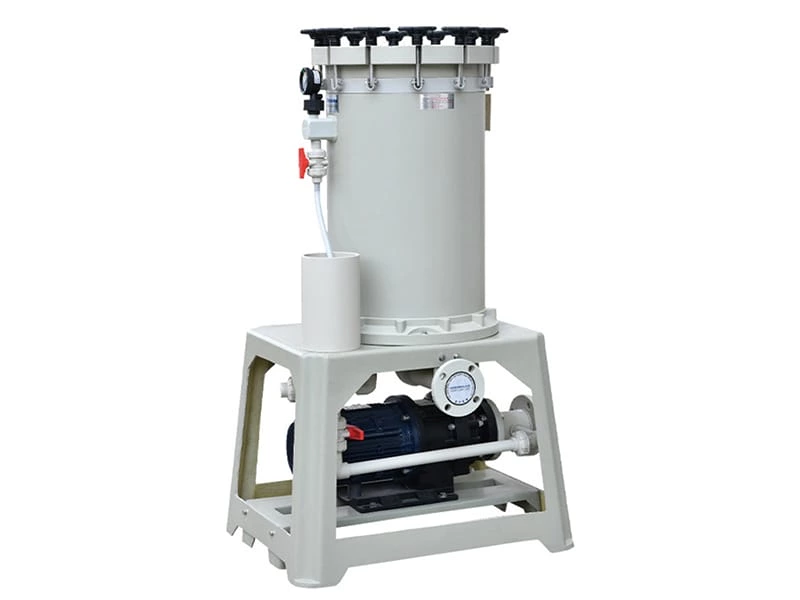
Where filtration is required, the tank connections and plating solution filter should be selected together. Bath chemistry, working volume, required flow and pipe routing all affect the arrangement.
Drain and overflow routing must follow the project's wastewater segregation plan. Different process solutions should not be connected to a shared discharge route without reviewing their compatibility and treatment requirements.
Material Selection for Each Process Stage
Tanks with a similar appearance may serve very different duties. A rinse tank, a heated cleaning tank and a plating bath should not automatically use the same material specification.
Material selection requires the actual solution composition, concentration and operating temperature. Tank depth, reinforcement, joints, fittings and seals must also suit the service conditions.
PP and PVC are options for compatible chemical processes. Stainless steel is considered only where the specified grade is suitable for the bath chemistry and electrical conditions. No single material is suitable for every electroplating solution.
For this reason, tank material and wall construction are confirmed for the application rather than selected only by color, appearance or nominal sheet thickness.
Planning Tanks for an Existing Line
For a replacement tank or line extension, the existing installation provides essential design information.
The review needs to cover the available footprint, tank rim height, station spacing, support structure and connection positions. The lifting path and the route for removing the old tank and installing the new one also need to be checked.
Matching the old tank's outside dimensions is only part of the work. Changes in wall construction, fittings or internal equipment may affect the usable space and compatibility with the existing rack or barrel.
Site photographs are useful, but dimensioned drawings are needed to confirm the installation interfaces.
Information for a Tank Quotation
Please provide the following information where available:
-
The process duty of each tank and the required quantity.
-
Solution composition, concentration and operating temperature.
-
Required internal dimensions and working liquid level.
-
Rack or barrel drawings, including loaded dimensions.
-
A line layout showing station positions and available access.
-
Drain, overflow, circulation and utility connection requirements.
-
Required filtration, heating, cooling and electrical equipment.
-
Whether the project is a new line, replacement or extension.
If some information is not yet available, identify it in the inquiry so that the open items can be reviewed before the specification is finalized.
Frequently Asked Questions
Can the same tank design be used throughout a plating line?
Not automatically. Different stages may require different materials, liquid levels, internal equipment and connections. Each tank needs to be checked against its process duty, even when several tanks share the same outside dimensions.
Are filters, heaters and rectifiers included with the tank?
They are included only when listed in the agreed supply scope. A tank body, a tank with selected accessories and a complete process station are different supply configurations.
Can a replacement tank fit an existing automatic line?
A replacement can be evaluated from the existing tank and line drawings. Dimensions, supports, connection positions and rack or barrel clearances must be checked before compatibility is confirmed.
Discuss Your Tank Requirements
Contact us with your process information, tank dimensions and line layout. For an existing installation, include photographs of the tank opening, supports, pipe connections and surrounding equipment so that the required configuration can be reviewed.
Request a Quote
If you are interested in our products and want to know more details,please leave a message here,we will reply you as soon as we can.