English
 Español
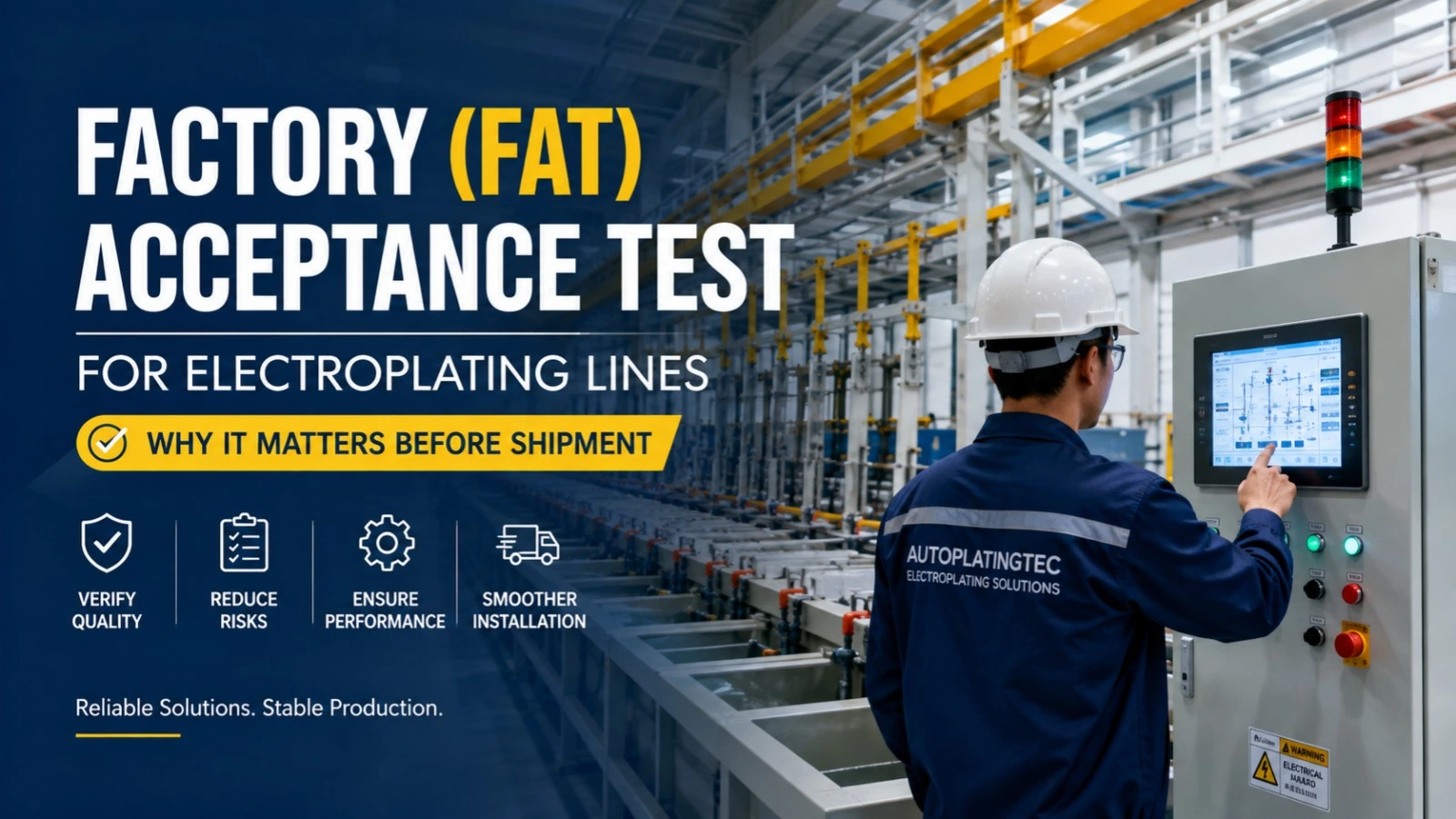
Factory Acceptance Test (FAT) for Electroplating Lines: Why It Matters Before Shipment
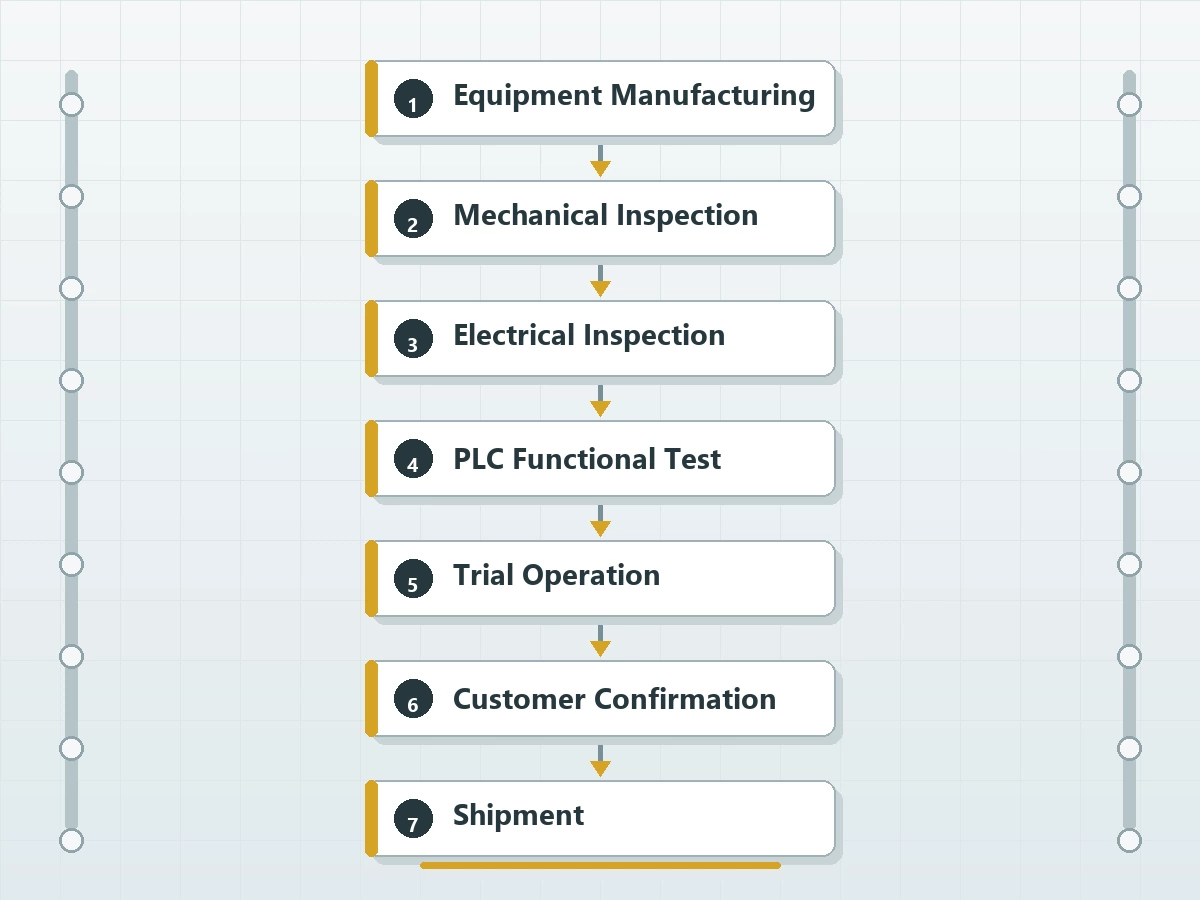
Factory Acceptance Testing Is More Than a Routine Inspection
For many manufacturers, the focus of an automatic electroplating line project is often on equipment delivery and installation. However, one stage that has a direct impact on the success of the project takes place before the equipment even leaves the factory: the Factory Acceptance Test (FAT).
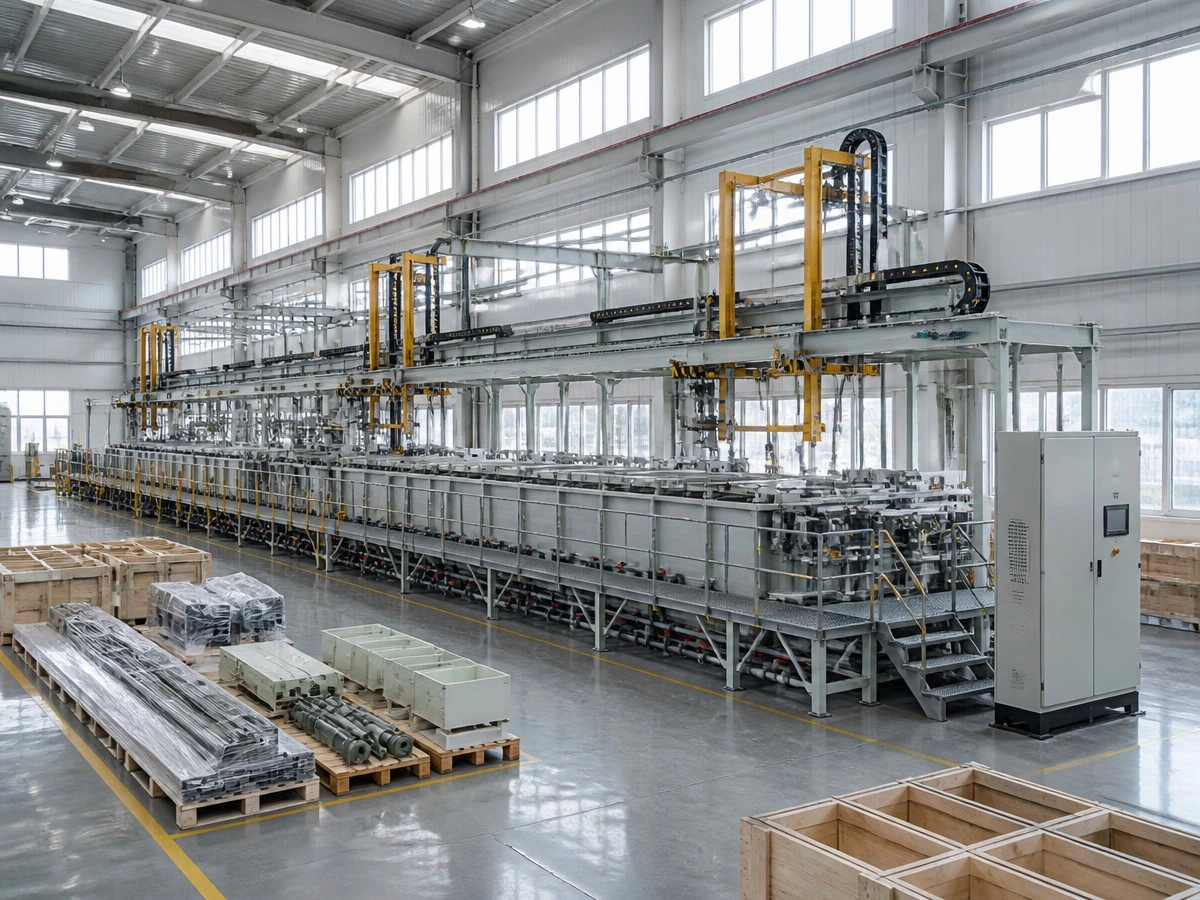
A Factory Acceptance Test is a structured inspection carried out after manufacturing and assembly are completed. Its purpose is to verify that the electroplating equipment has been built according to the approved technical specifications and that the mechanical, electrical, and control systems operate correctly before shipment.
Although every project is different, performing a FAT helps identify potential issues early, reducing the risk of unexpected modifications after the equipment arrives at the customer's site.
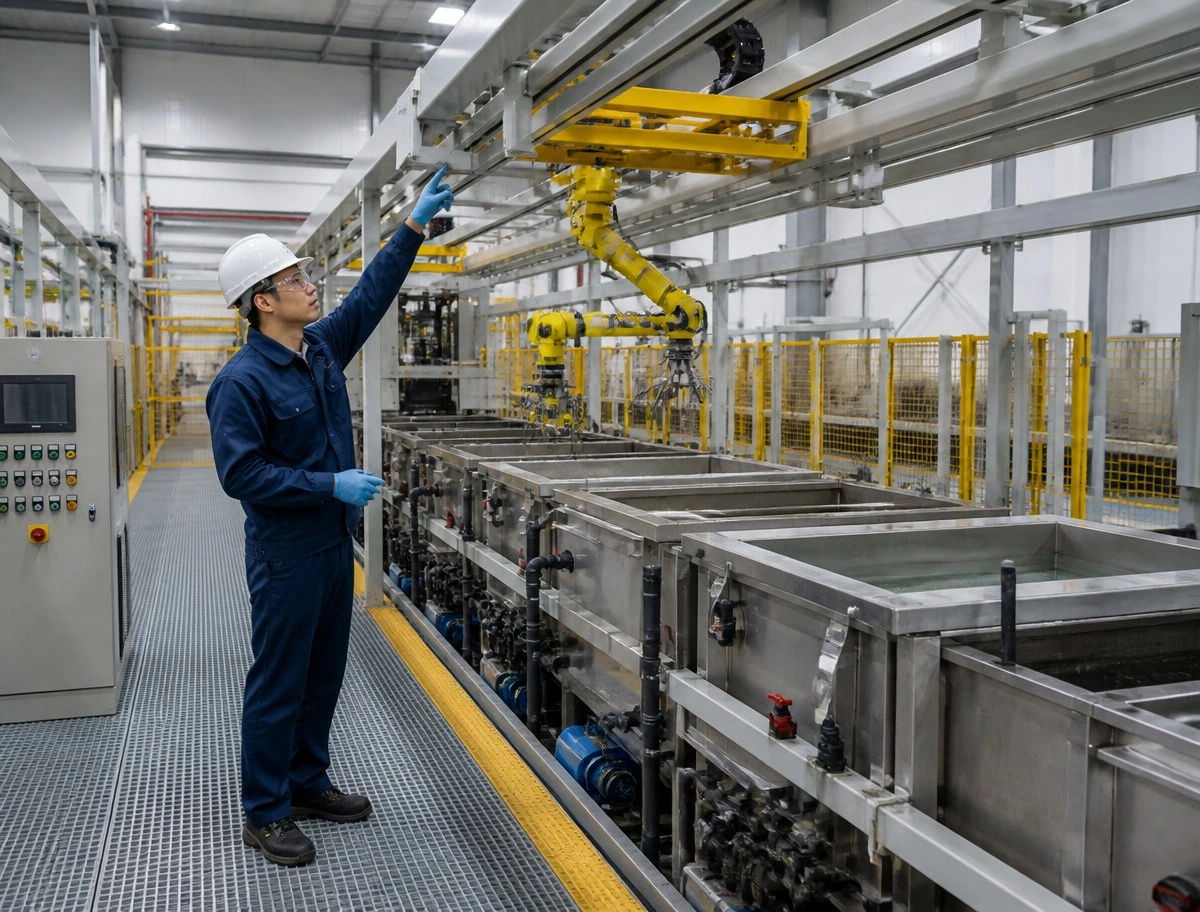
Why Is FAT Important for an Electroplating Line?
Unlike standard machines, electroplating lines are usually designed around a customer's specific production requirements.
Once the equipment has been installed, making structural changes or replacing major components can require additional time and cost.
By completing a FAT before shipment, both the manufacturer and the customer have an opportunity to confirm that the production line meets the agreed technical requirements.
In many projects, this step helps shorten on-site electroplating line installation and commissioning because potential issues have already been addressed during factory testing.
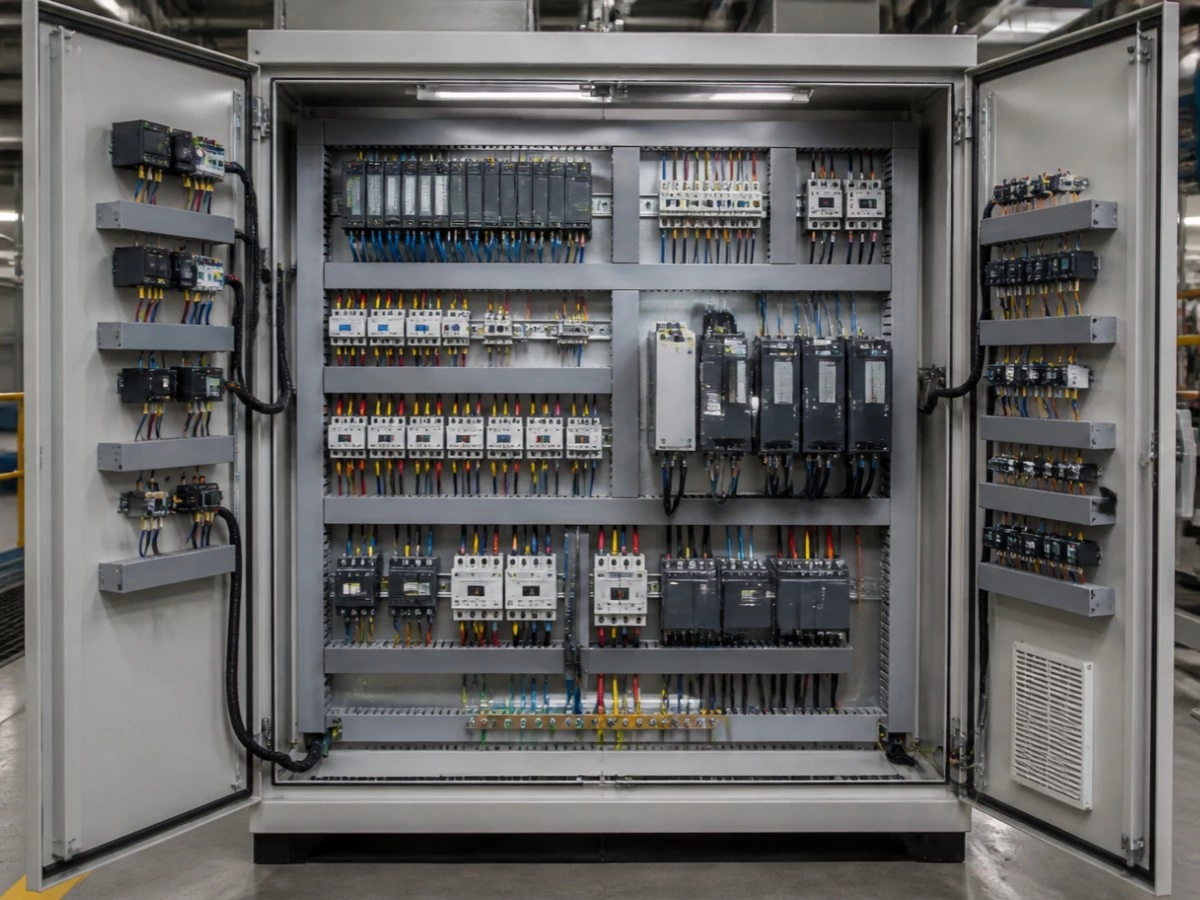
What Is Usually Checked During a Factory Acceptance Test?
While the exact inspection scope varies from project to project, engineers typically verify the following items.
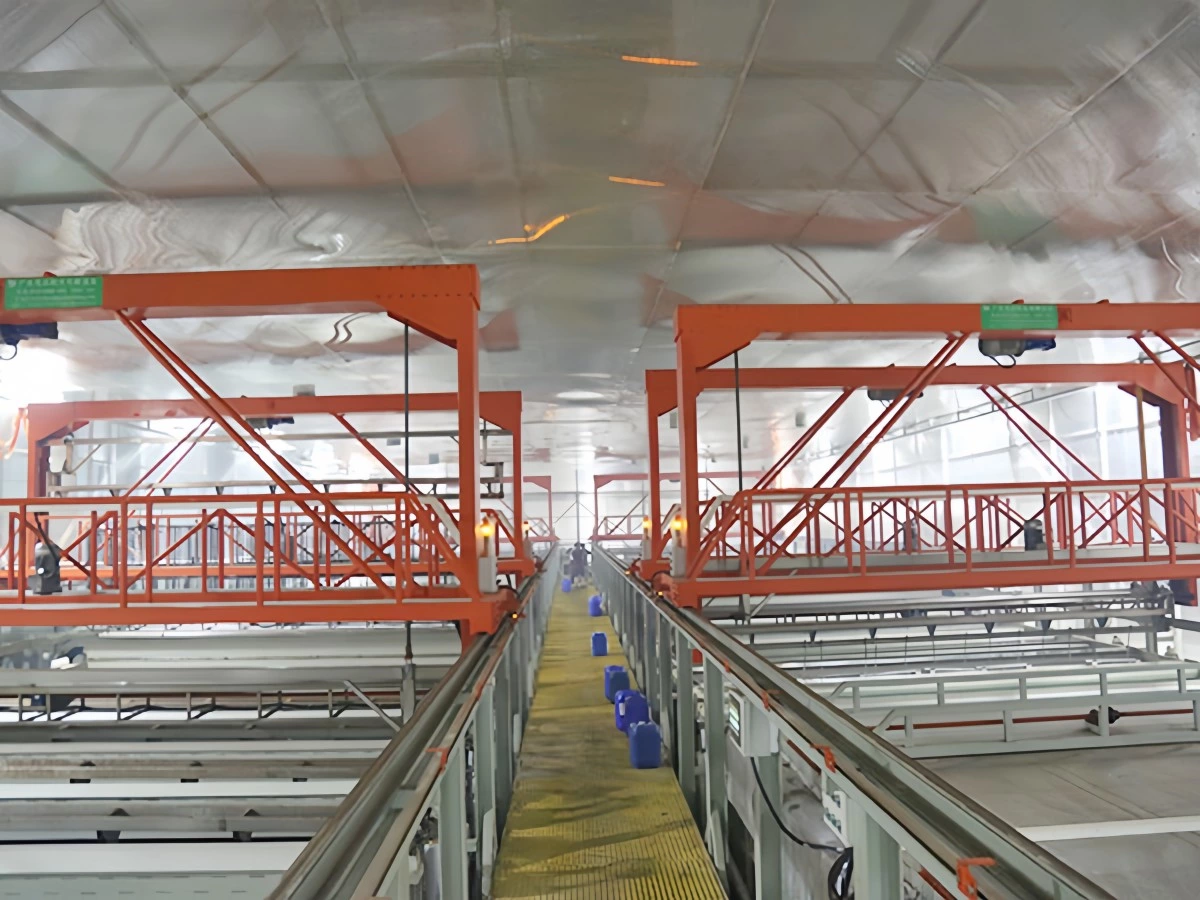
Mechanical Structure
- Tank dimensions
- Steel framework
- Hoist movement
- Guide rails
- Fasteners
- Protective covers
Electrical System
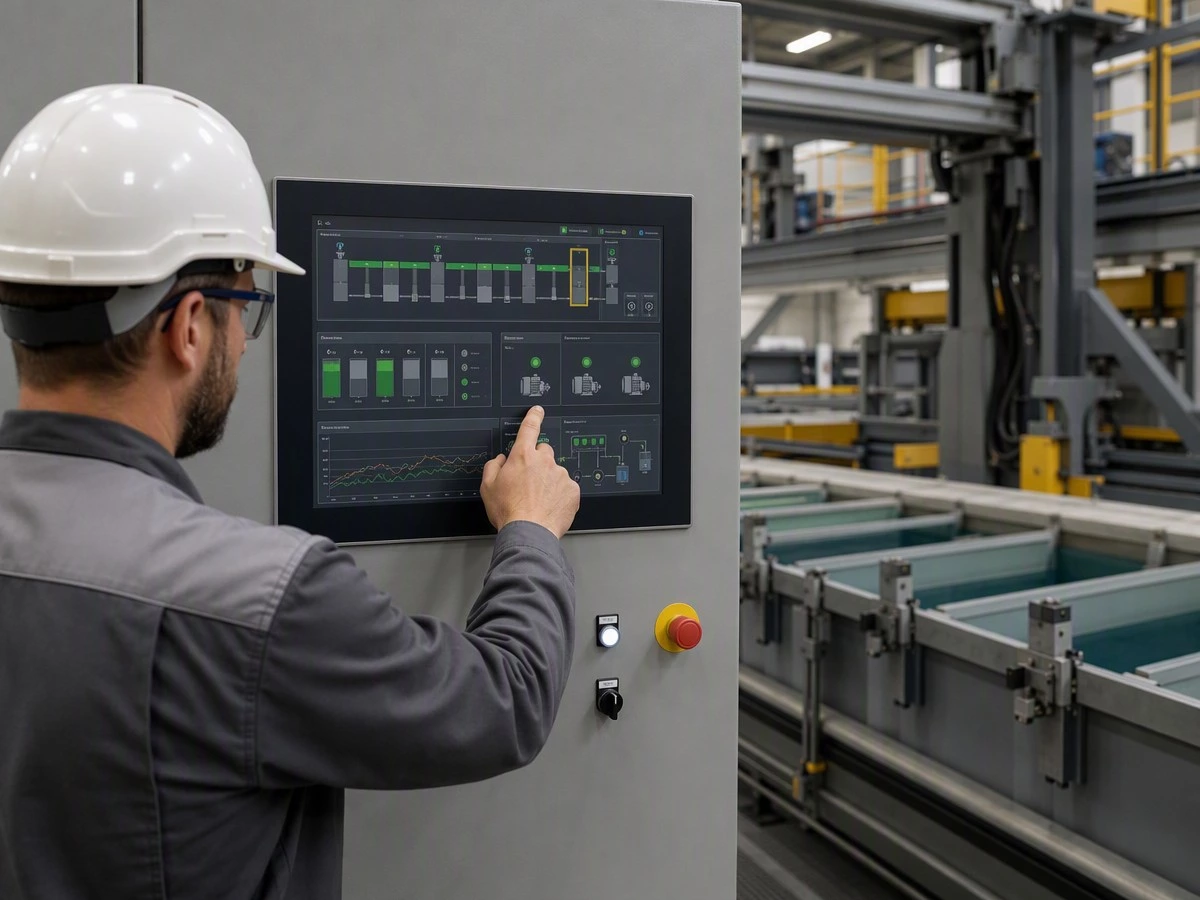
- Control cabinet wiring
- Cable routing
- Power distribution
- Emergency stop circuits
- Safety protection
PLC Control System
Engineers usually verify:
- Automatic sequences
- Position accuracy
- Sensor signals
- Alarm functions
- Communication between devices
Utility Connections
Depending on the project, engineers also confirm:
- Air piping
- Water pipelines
- Drainage interfaces
- Chemical circulation
- Filtration system connections
Can the Entire Electroplating Line Be Tested Before Shipment?
Not always.
Because electroplating lines are large industrial systems, some functions can only be fully verified after installation at the customer's factory.
However, manufacturers can still perform operational simulations and verify most mechanical and electrical functions before delivery.
The final commissioning is then completed on site after utilities and process chemicals are connected.
Typical FAT Checklist
| Inspection Item | Verification |
|---|---|
| Equipment dimensions | ✔ |
| Tank quantity | ✔ |
| Hoist travel | ✔ |
| PLC operation | ✔ |
| Sensors | ✔ |
| Emergency stop | ✔ |
| Electrical cabinet | ✔ |
| Mechanical assembly | ✔ |
How Customers Can Participate in FAT
For larger projects, customers often participate in the Factory Acceptance Test either by visiting the manufacturing facility or by reviewing photos, videos, or live online demonstrations.
This allows project teams to confirm that the equipment configuration matches the approved drawings before shipment.
If any adjustments are required, they can usually be completed before the equipment is packed and delivered.

FAT Does Not Replace Site Commissioning
A successful Factory Acceptance Test is an important milestone, but it is not the final step of the project.
After delivery, engineers still carry out:
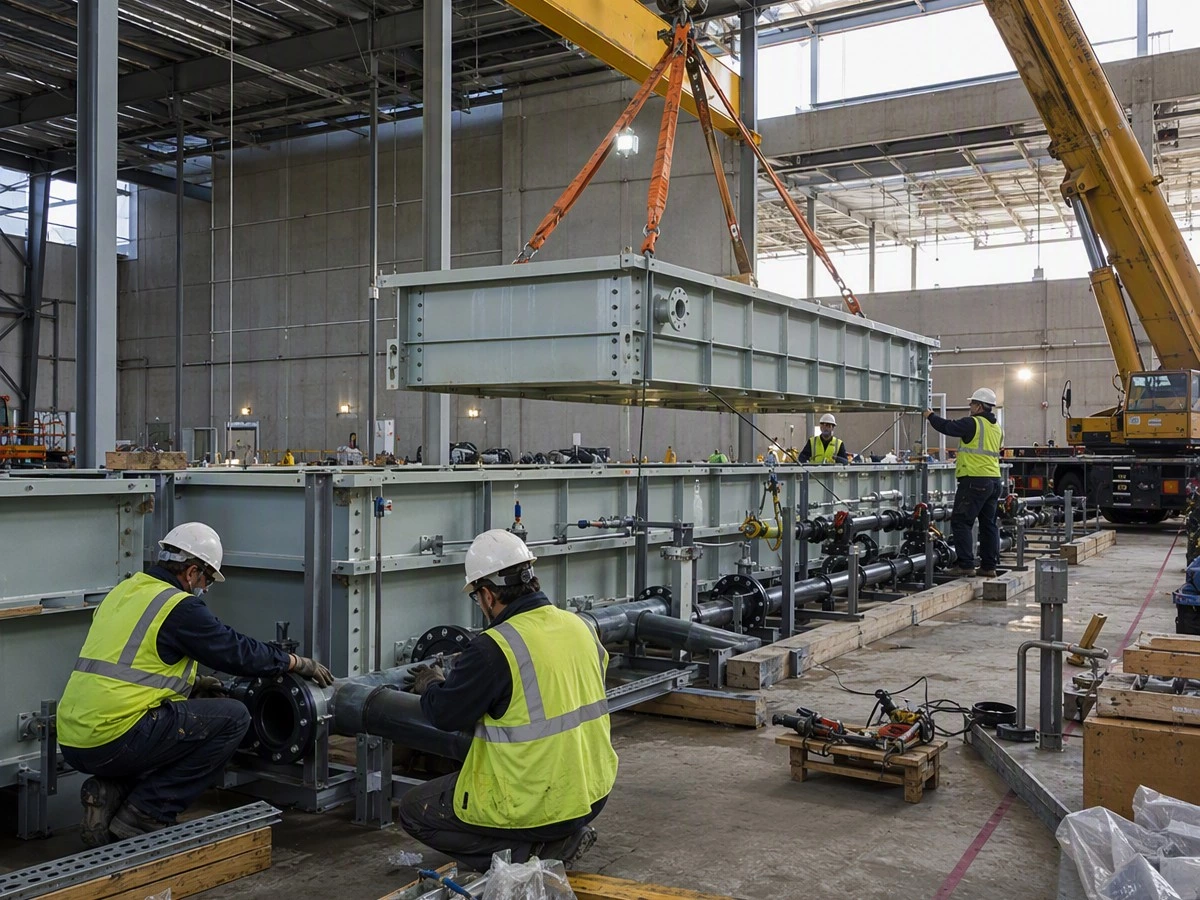
- Equipment installation
- Utility connection
- Process adjustment
- Trial production
- Operator training
Only after these activities are completed can the electroplating line enter stable production.
Conclusion
A Factory Acceptance Test is one of the most effective ways to reduce project risk before an electroplating line is shipped.
By confirming mechanical assembly, electrical systems, PLC control, and equipment configuration in advance, both manufacturers and customers can identify potential issues earlier and improve the efficiency of on-site installation and commissioning.
For customized electroplating projects, FAT is not simply an inspection procedure—it is an important step in delivering a reliable electroplating production line.
Planning a New Electroplating Line Project?
If you are evaluating a new electroplating line or upgrading an existing production line, our engineering team can recommend a customized solution based on your product, production capacity, and process requirements.
👉 Contact us today to discuss your project.
FAQ
What does FAT mean in an electroplating project?
FAT stands for Factory Acceptance Test. It is an inspection performed before shipment to verify that the equipment has been manufactured according to the agreed technical specifications.
Is a Factory Acceptance Test mandatory?
Requirements vary by project and contract. Many customized electroplating line projects include FAT because it helps reduce installation risks and confirms equipment quality before delivery.
Who participates in a Factory Acceptance Test?
The test is usually carried out by the equipment manufacturer. Depending on the project, customers may also attend in person or review the results remotely through photos, videos, or online meetings.
What happens after FAT?
After the Factory Acceptance Test is completed, the equipment is prepared for shipment. Installation, commissioning, and trial production are then carried out at the customer's facility.