English
 Español
How Much Does an Electroplating Production Line Cost? (2026 Guide)
Electroplating Production Line Cost: 7 Key Factors That Affect the Price
When companies plan to build a new electroplating workshop, one of the first questions they ask is:
How much does an electroplating production line cost?
The answer is not always straightforward. In the market, the price of an electroplating line can range from hundreds of thousands of dollars to several million dollars, depending on the configuration, automation level, and process requirements.
For buyers who are new to electroplating equipment, this wide price range can be confusing.
In reality, the cost of an electroplating production line is influenced by multiple engineering factors, including automation, tank materials, power systems, environmental equipment, and customization requirements.
In this article, we explain the 7 key factors that determine the cost of an electroplating production line, helping buyers better understand what affects the final price.
1. Automation Level of the Production Line
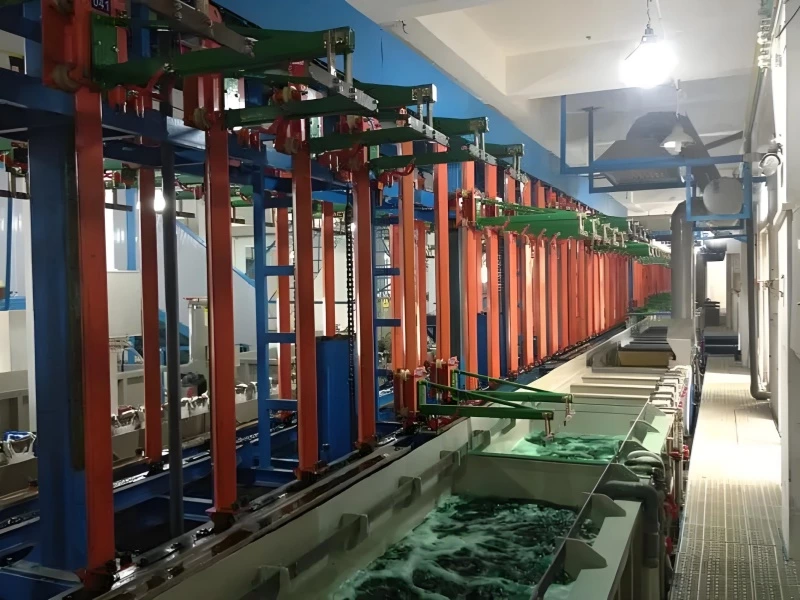
Automation is one of the biggest factors affecting the cost of an electroplating production line.
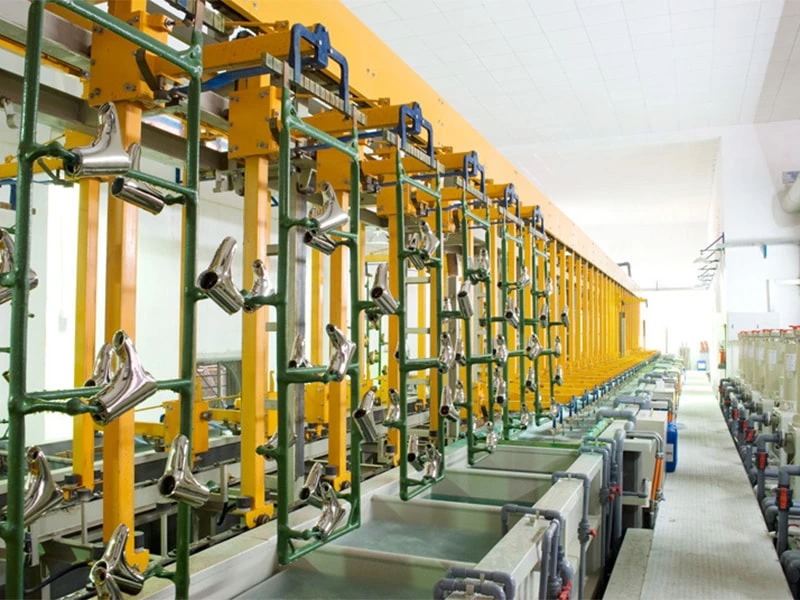
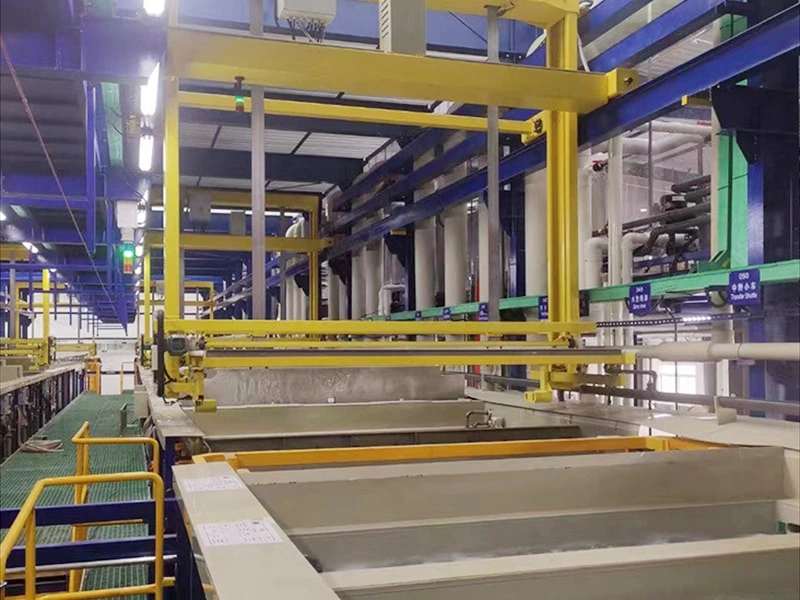
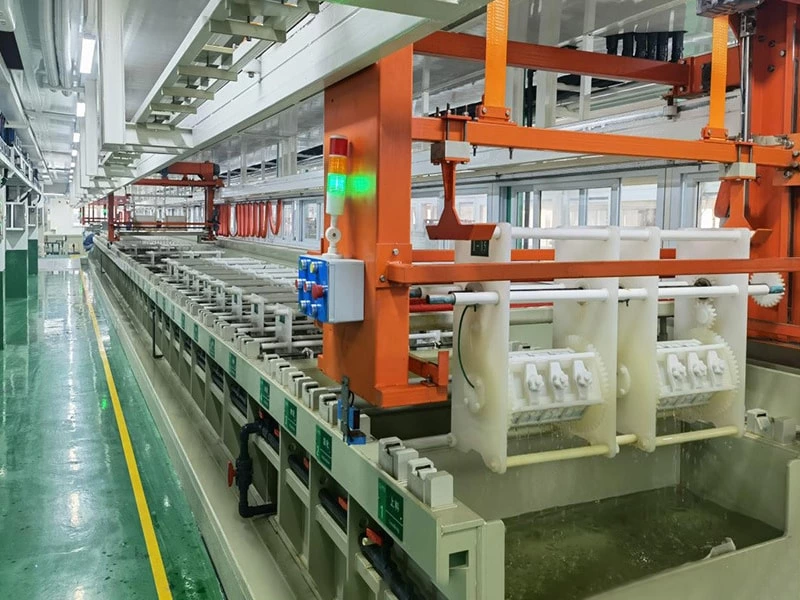
Traditional plating workshops often rely heavily on manual operations. However, modern production lines increasingly adopt automated systems to improve efficiency, consistency, and safety.
Automation can include several elements:
-
PLC control systems
-
Automatic hoists
-
Automatic loading and unloading systems
-
Chemical dosing control
-
Automatic tank cover operation
The more automated functions a line includes, the more sensors, motors, and control logic are required. This increases both engineering complexity and equipment cost.
However, higher automation usually means lower long-term labor costs and more stable product quality, which many manufacturers consider a worthwhile investment.
2. Production Capacity and Line Size
The size and capacity of the production line directly affect the equipment cost.
Larger plating lines require:
-
Larger tanks
-
More structural steel
-
Stronger track systems
-
Larger hoists
If the production line is designed for high throughput, multiple hoists may be required to operate simultaneously. Multi-hoist coordination increases both mechanical complexity and control system requirements.
Many companies also choose to design their plating lines with future expansion in mind. Leaving space for additional tanks or processes can increase initial cost slightly but helps avoid expensive upgrades later.
3. Tank Materials and Corrosion Resistance
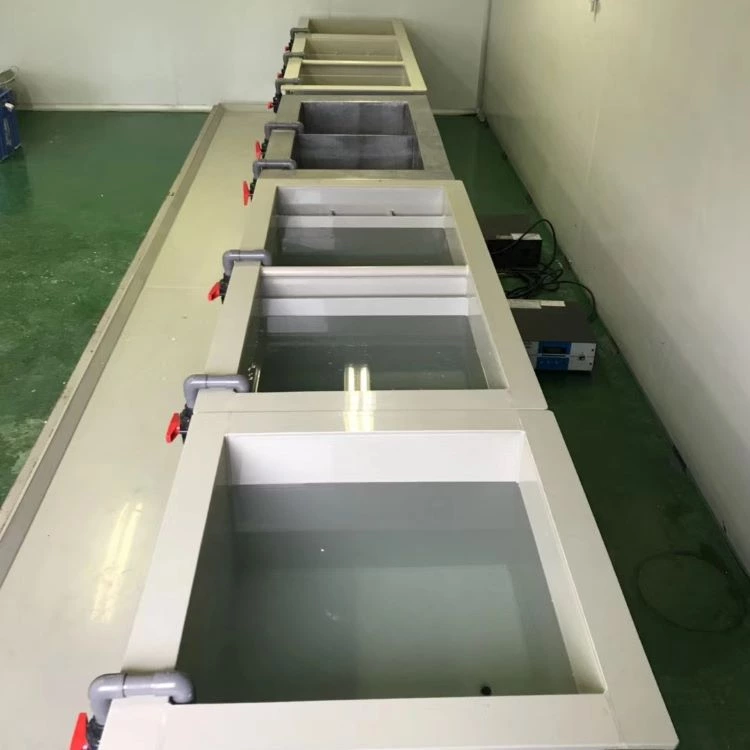
Electroplating tanks operate in harsh chemical environments. Strong acids, alkaline solutions, and high temperatures require materials with excellent corrosion resistance.
Common tank materials include:
-
PP (Polypropylene)
-
PVC
-
PVDF
-
Special composite materials
High-performance materials cost more but provide longer service life and better resistance to chemical attack.
In addition to tank materials, internal lining quality is also important. Poor lining or improper welding can lead to tank leakage or contamination of plating solutions.
Key accessories such as heating elements, cooling coils, and conductive parts also require corrosion-resistant materials, which increases equipment cost but improves long-term reliability.
4. Rectifier and Power Supply System
The rectifier system is often considered the core of the electroplating process.
Stable current output directly affects coating thickness, brightness, and product quality.
Common rectifier options include:
-
Thyristor rectifiers
-
High-frequency switching rectifiers
-
Pulse rectifiers
High-frequency rectifiers offer higher efficiency, faster response time, and more precise current control compared to traditional power supplies.
Some modern electroplating lines also include energy-saving technologies, such as regenerative systems that convert hoist motion into electricity. These technologies increase the initial equipment cost but can reduce long-term operating expenses.
5. Auxiliary Equipment and Environmental Systems
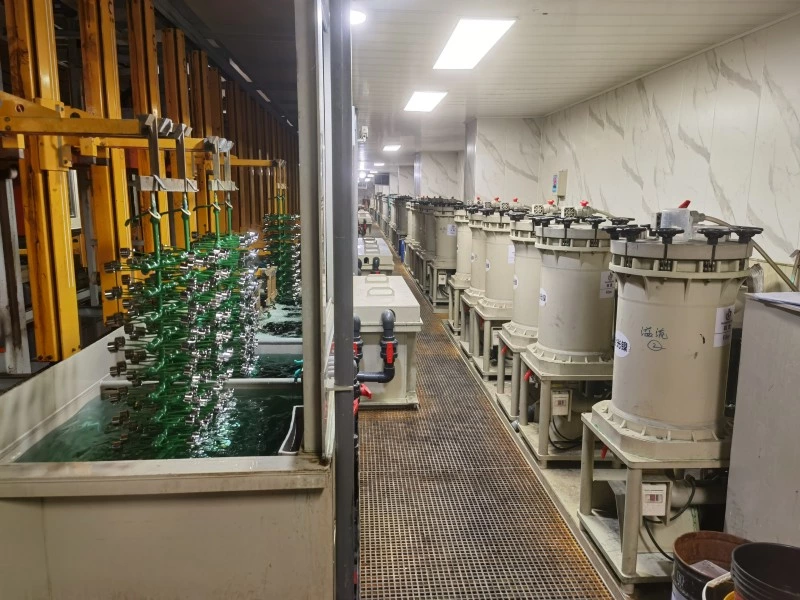
An electroplating production line requires several supporting systems to maintain stable operation.
Important auxiliary systems include:
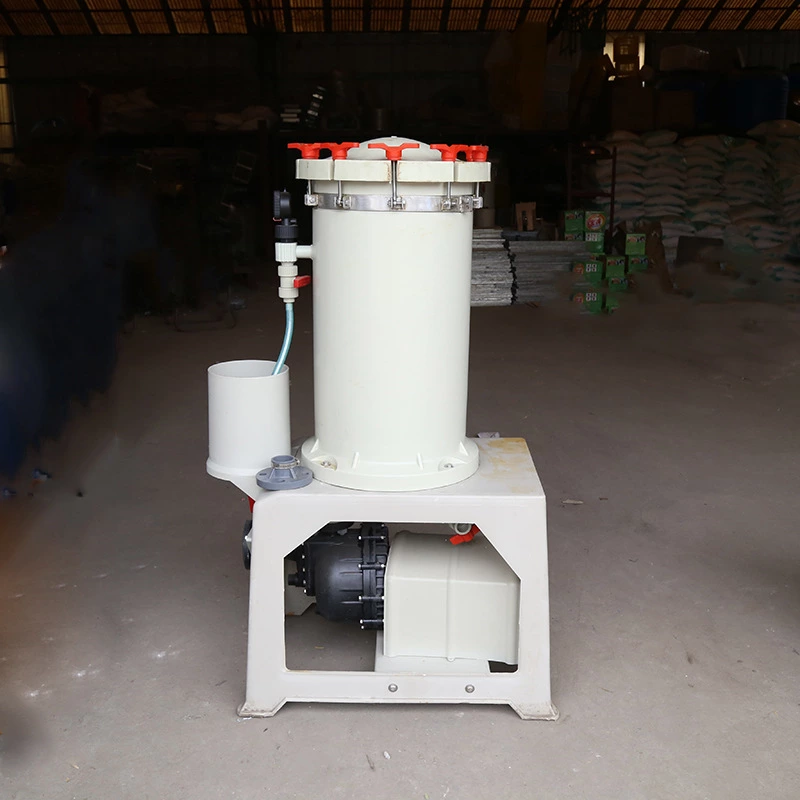
Filtration systems
These remove impurities from plating solutions and help maintain coating quality.
Temperature control systems
Some electroplating processes require very precise temperature control, sometimes within ±1°C.
Ventilation and exhaust treatment
Electroplating processes often produce acid mist and chemical vapors. Modern production lines usually include exhaust hoods and gas treatment systems to meet environmental regulations.
Although these auxiliary systems are sometimes overlooked during budgeting, they are essential for maintaining stable and compliant operations.
6. Process Complexity and Customization
Electroplating production lines are rarely standardized machines. Most projects require customized engineering solutions.
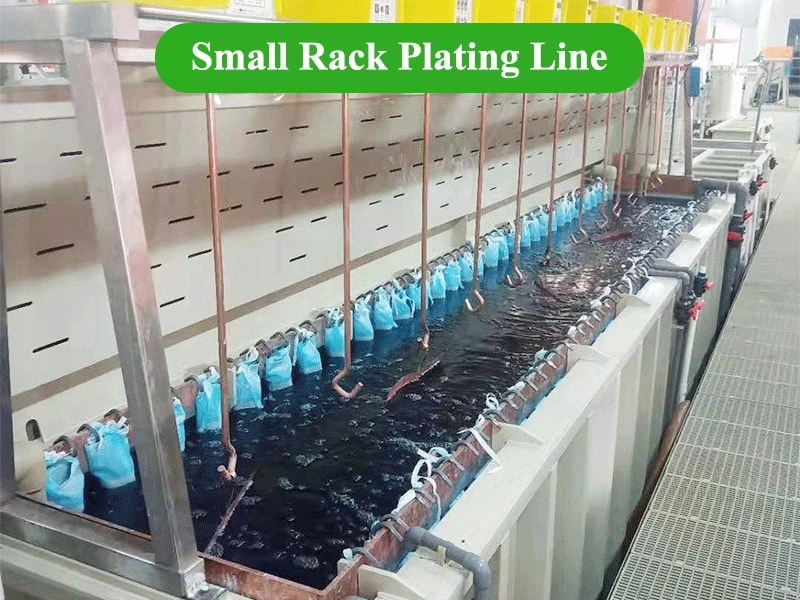
A basic plating line may include only a few tanks. However, more complex processes may require additional stages such as:
-
Ultrasonic cleaning
-
Multi-stage rinsing
-
Activation
-
Passivation
-
Sealing processes
Each additional process step requires additional tanks, pumps, piping, and control systems.
In some industries, workpieces may have special characteristics such as large size, heavy weight, or irregular shapes, which require customized fixtures and specialized handling systems.
These customization requirements can significantly affect the overall equipment cost.
7. Safety Standards and Industrial Compliance
Safety design is another factor that affects the cost of an electroplating production line.
Electroplating workshops often contain corrosive gases, high humidity, and electrical equipment operating simultaneously. As a result, production lines must meet strict safety requirements.
Common safety configurations include:
-
High protection level electrical components (IP67/IP68)
-
Emergency stop systems
-
Safety light curtains
-
Safety PLC systems
-
Area monitoring sensors
These safety features increase equipment cost but greatly improve operational safety and reliability.
For industries such as automotive, aerospace, or medical manufacturing, additional certifications such as IATF 16949 or AS9100 may also be required.
Typical Electroplating Production Line Cost Range
Although every project is different, the following table shows general price ranges for electroplating production lines:
| Production Line Type | Estimated Cost |
|---|---|
| Manual electroplating line | $80,000 – $300,000 |
| Semi-automatic plating line | $200,000 – $800,000 |
| Fully automatic electroplating line | $500,000 – $3,000,000+ |
Actual pricing depends on many factors such as production capacity, automation level, process complexity, and environmental equipment requirements.
Frequently Asked Questions
How much does an electroplating production line cost?
The cost typically ranges from $80,000 to over $3 million, depending on automation level, production capacity, materials, and process requirements.
Why do electroplating production lines vary so much in price?
The price difference mainly comes from factors such as automation level, tank materials, power supply systems, environmental equipment, and customization requirements.
Is a fully automated electroplating line worth the investment?
For many manufacturers, automated lines reduce labor costs, improve production stability, and increase production efficiency. Over time, these benefits often offset the higher initial investment.
How long does it take to install an electroplating production line?
Depending on the project size and complexity, installation and commissioning typically take 2 to 6 months.
Conclusion
The cost of an electroplating production line depends on many interconnected factors, including automation level, production capacity, materials, power systems, auxiliary equipment, customization requirements, and safety standards.
When evaluating equipment investment, companies should not focus only on the initial purchase price. Long-term operating costs, reliability, and future expansion potential are equally important.
Understanding these key cost factors helps buyers make more informed decisions and select the electroplating production line that best fits their production needs.
Need Help Choosing the Right Electroplating Line?
If you are planning a new electroplating project, selecting the right production line configuration is critical.
Our engineering team has extensive experience designing custom electroplating production lines for different industries and production requirements.
👉 Feel free to contact us for a consultation or project quotation.