English
 Español

Electroplating Line Temperature Control for Heating and Cooling
An electroplating line temperature control system needs to deliver the required bath temperature during startup, normal production and changes in loading. Heating and cooling requirements should therefore be defined for each process tank before heater power, heat exchanger size or chiller capacity is selected.
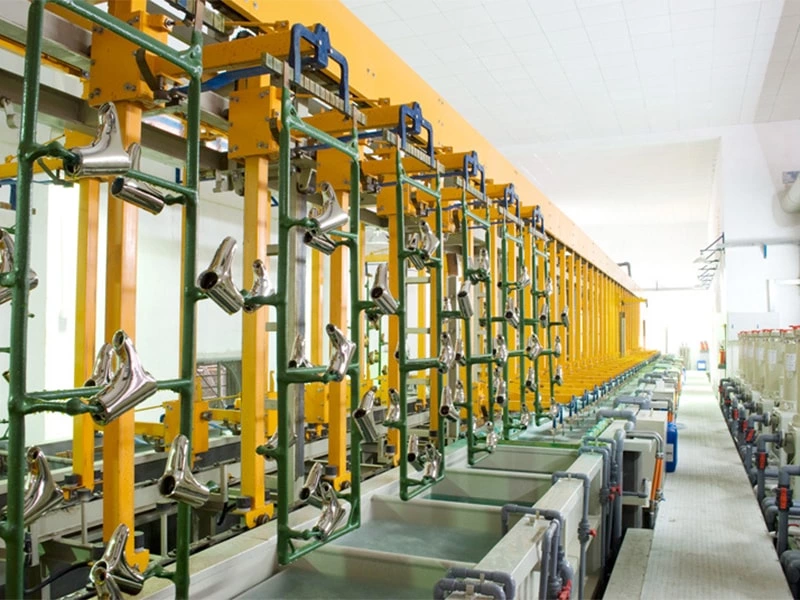
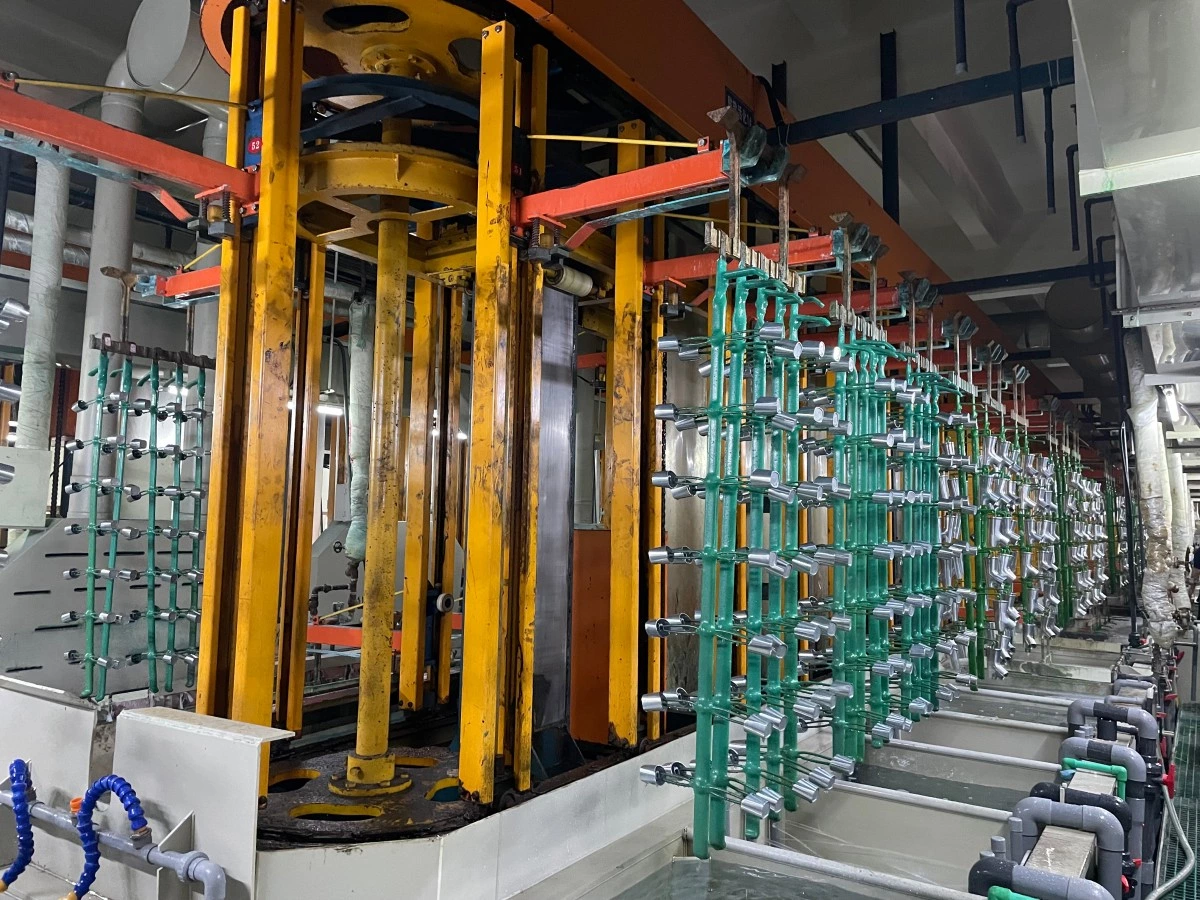
The correct operating range comes from the specific bath formulation and approved process requirements. A temperature suitable for one cleaning or plating stage may be unsuitable for the next. For an automatic rack electroplating line or a barrel electroplating line, thermal design should be reviewed together with the process sequence and production schedule.
Watch more plating video please click here: www.youtube.com/@PlatingMachinery
Define the Temperature Requirements for Each Tank
Start with a tank-by-tank process schedule. Identify which stages require heating, which need cooling and which can operate within the available ambient conditions. Confirm the target temperature and permitted operating range with the process owner and chemical supplier.
Record the working solution volume, expected starting temperature and time available before production begins. Also define when a tank is ready to accept a load and what should happen if its temperature moves outside the approved range. These requirements give the equipment supplier a clear basis for selection and acceptance.
Separate Startup Heating from Production Heat Loads
Startup heating raises the solution from its initial temperature to the operating setpoint. The required power depends on solution volume, density, specific heat, temperature rise and the allowed heating time. Heat absorbed by the tank and equipment, together with losses through exposed surfaces and piping, also needs to be considered.
Once the bath reaches its operating temperature, the thermal balance changes. Incoming parts, racks and replacement liquid can remove heat, while electrical energy entering the bath and other process effects can add heat. A tank may need heating before the first batch and cooling during sustained production.
Ask the supplier to state separate assumptions for startup, temperature holding and cooling at the expected production load. Two tanks of the same volume can require different equipment when their heating time, loading pattern or operating conditions differ.
Choose a Heating Arrangement That Fits the Process
Electric immersion heaters
Electric immersion heaters transfer heat directly into the process liquid. Selection should cover heater power, supply voltage, sheath material, permitted watt density and minimum immersion depth. The installation also needs space for the heater, protective clearances and removal for maintenance. Confirm suitability for the complete bath formulation with the heater and chemical suppliers.
Coils and immersion heat exchangers
A compatible coil or immersion heat exchanger can transfer heat from a separate utility such as hot water or steam. Its output depends on heat transfer area, utility temperature, flow and the temperature difference between the utility and the bath. Specify the available utility conditions together with the required thermal duty.
External circulation systems
An external heating or heat exchange circuit circulates process liquid through equipment outside the tank. This arrangement requires a compatible pump, piping, valves and seals, along with adequate flow and service access. Include the external circuit in the quotation scope and confirm how its operation is monitored.
Size Cooling for Actual Production Conditions
Electroplating bath cooling should be checked against the expected production duty. Electrical energy entering the bath, ambient heat gain and other process inputs can raise solution temperature over a shift. Use the actual operating current, voltage and duty cycle to establish the relevant heat load. The rectifier nameplate rating alone does not define how much heat must be removed from the bath.
Confirm the cooling water or coolant supply temperature, available flow, pressure and return conditions. Review the warmest expected utility conditions, because they affect the heat exchanger’s ability to remove heat. If several tanks share a cooling system, identify which loads can occur simultaneously.
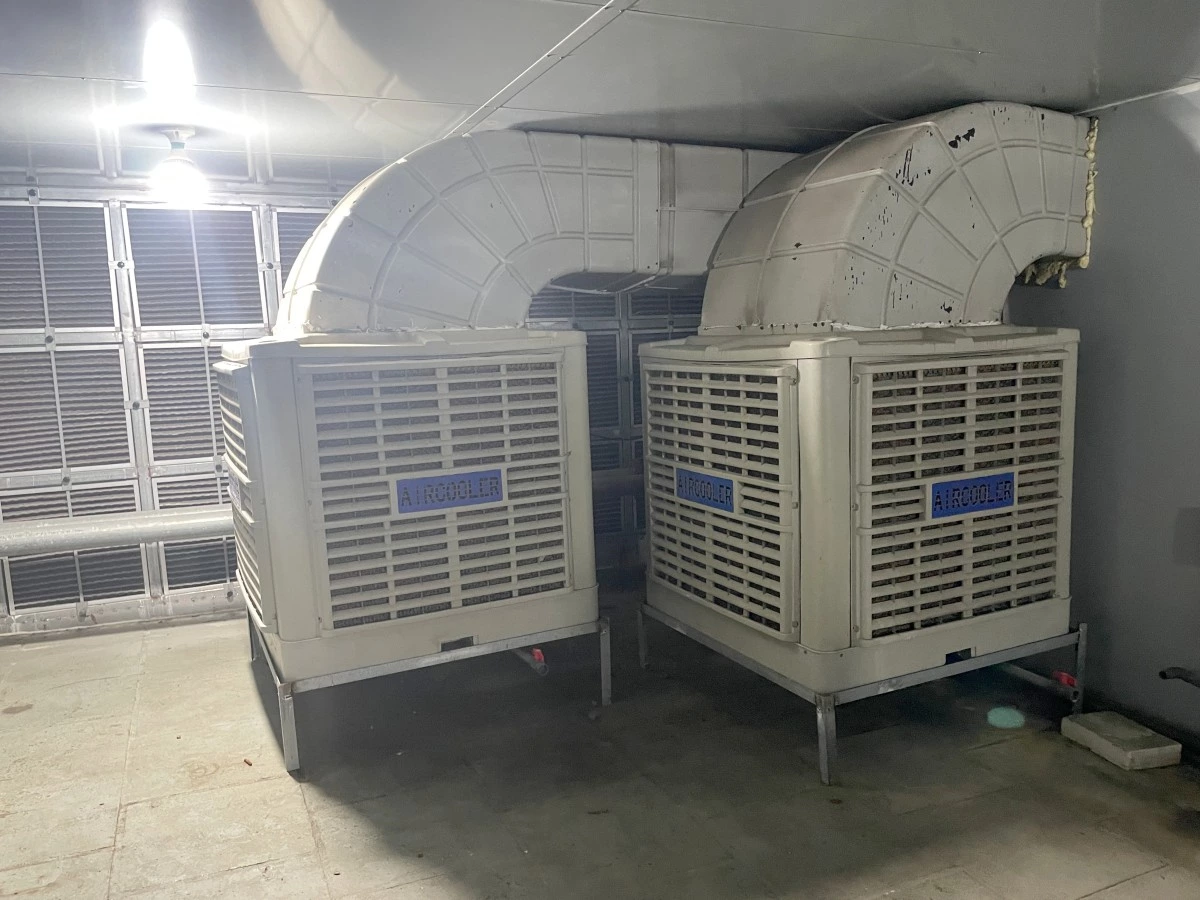
A chiller can supply a separate coolant loop through a compatible coil or heat exchanger. Confirm whether process liquid remains in the tank, circulates through an external exchanger or contacts any other equipment. This defines which components need chemical compatibility checks and clarifies the boundary between line equipment and factory utilities.
Check Materials and Installation Space Together
Heaters, heat exchangers and temperature probes need materials compatible with the bath at its operating concentration and temperature. Provide the technical and safety data sheets for material selection. Suitability should be confirmed for the actual process liquid rather than inferred from a general label such as acid-resistant.
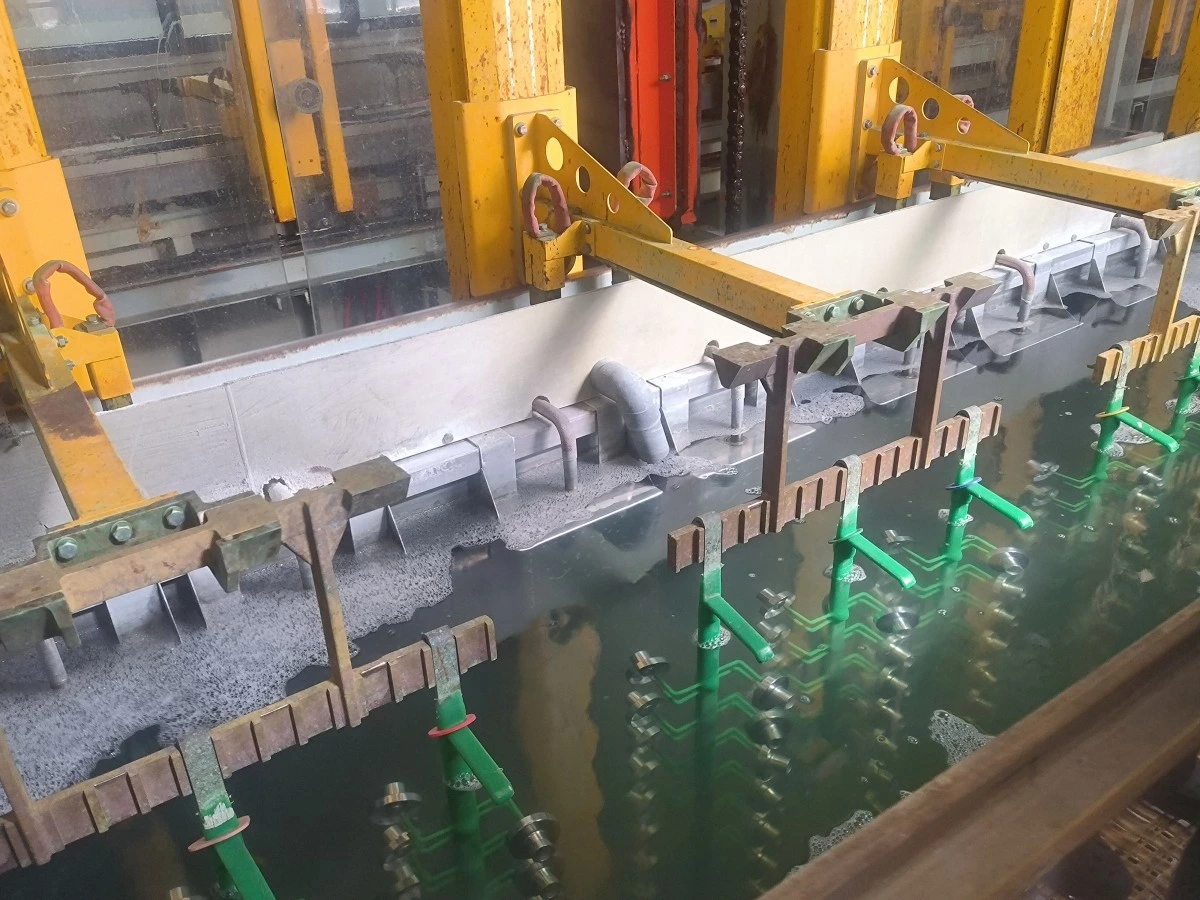
Review the thermal equipment within the plating tank layout. Allow clearance for racks or barrels, hoist movement, anodes, circulation outlets, level sensors and exhaust arrangements. The layout should also provide access to remove heaters, probes and heat exchangers without unnecessary dismantling.
Specify Sensing and Protective Controls
Place temperature sensors where they can measure representative bath conditions. A probe close to a heater or cooling outlet may read differently from the area occupied by the workpieces. Review circulation, sensor immersion and measurement locations when agreeing on temperature uniformity.
The control specification should identify the functions provided by the local temperature controller and the electroplating line PLC control system. Useful operating information includes the setpoint, actual temperature, heating or cooling status, alarms and temperature trends where recording is included.
Define protective functions separately from normal temperature regulation. Depending on the selected equipment, the design should address:
- Low liquid level shutdown for immersion heaters.
- Heater overtemperature protection and high bath temperature limits.
- Loss of circulation or insufficient flow in external heating circuits.
- Temperature sensor failure and the required shutdown or alarm response.
Confirm the protective devices, shutdown actions and reset procedure against the equipment manufacturers’ instructions. Where independent protection is required, an ordinary PLC alarm should not be treated as its replacement.
Use the Same Data When Comparing Quotations
Give every supplier the same thermal requirements so that proposed equipment can be compared on a consistent basis.
| Specification item | Information to provide |
|---|---|
| Bath requirements | Process chemistry, concentration, target temperature and permitted range |
| Tank data | Working liquid volume, internal dimensions and available installation space |
| Startup conditions | Starting temperature and required heating time |
| Production duty | Load size, loading frequency, operating current and voltage where applicable |
| Factory utilities | Electrical supply and heating or cooling utility temperature, flow and pressure |
| Control scope | Sensors, displays, recording, alarms and protective shutdown functions |
| Acceptance criteria | Heating time, temperature stability, measurement positions and production test conditions |
Ask each quotation to identify included pumps, utility valves, piping, insulation and control connections. State which items belong to the electroplating line package and which must be supplied by the factory. Shared utilities and maintenance access should appear on the proposed layout.
Verify Performance During Commissioning
Agree on a test plan before equipment acceptance. Check the time needed to reach the operating temperature and the system’s ability to maintain the approved range during representative production. Where bath uniformity matters, record temperatures at agreed locations as well as at the control probe.
Commissioning should also verify sensor readings, displayed values, alarms and protective shutdowns using the manufacturers’ approved test methods. Record the solution level, loading conditions and utility temperatures during testing so that the results can be assessed against the design assumptions.
Frequently Asked Questions
What temperature should an electroplating bath use?
Use the temperature range approved for the specific bath formulation and process. Cleaning, plating and post-treatment stages can have different requirements. Confirm each tank’s setpoint and permitted variation with the process owner and chemical supplier.
Can one tank need both heating and cooling?
Yes. A bath may require heating after a shutdown and cooling once sustained production adds heat. The need for both functions depends on the process heat balance, loading pattern, ambient conditions and available utilities.
How is plating tank heater power selected?
Selection starts with working solution volume, liquid properties, temperature rise and required heating time. The supplier must also account for tank and equipment heating, thermal losses and production loads before selecting the installed power.
Can the same heater or heat exchanger material serve every bath?
Material compatibility needs to be confirmed for each formulation, concentration and operating temperature. Check all wetted components, including probes, seals and external circulation equipment, as applicable.
What should a temperature control quotation include?
It should define the thermal duty, selected heating or cooling method, compatible materials, utility requirements, sensors and controls. It should also state protective functions, installation boundaries and the conditions used to verify performance.
Discuss Temperature Control for Your Electroplating Line
For a new electroplating line project, send AutoPlatingTec your workpiece information, process sequence, working tank volumes, approved bath temperatures and available factory utilities. Include the required production rate and startup schedule so that heating and cooling requirements can be reviewed with the complete line configuration.
Contact AutoPlatingTec to discuss your electroplating line requirements.
Email: plating@chinamakeco.com
WhatsApp: +86 151 5987 5082