English
 Español

Electroplating Line Upgrades: How to Expand an Existing Line
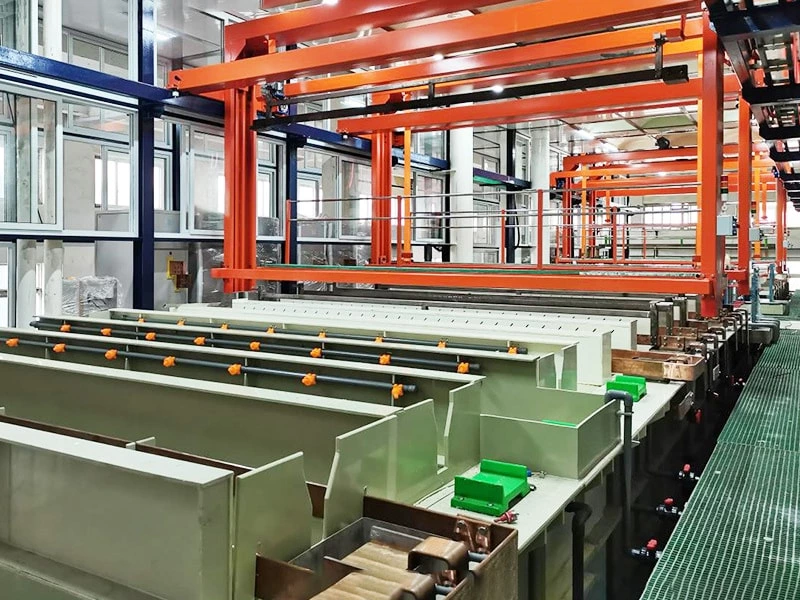
A factory receives more orders, but its plating line is already struggling to finish the daily schedule. Racks wait at loading, a hoist repeatedly stops, or finished batches collect in front of the dryer. Each problem can reduce output, yet each calls for a different response.
An electroplating line upgrade starts with identifying what limits acceptable production today. The project may involve replacing selected components, adding process positions, changing material handling, or installing a separate line. The right scope depends on the existing equipment, the required product mix and the disruption the factory can accommodate.
1. Record How the Existing Line Actually Operates
Collect the current layout and process sequence, then check them against the installed equipment. Older drawings may omit a relocated filter, a replacement rectifier or a tank that now serves a different purpose.
For a rack electroplating line, record the loaded rack dimensions, parts per rack and total lifted weight. For a barrel line, include the barrel assembly, permitted working load and representative part types.
| Information | What to record |
|---|---|
| Products and finish | Part families, base materials, coating requirements and approved process routes |
| Current production | Loads completed, acceptable parts, rejects, rework and actual operating hours |
| Delays | Where loads wait, alarm history, loading delays and equipment downtime |
| Installed equipment | Tank sizes, available load positions, hoists, rectifiers and auxiliary equipment |
| Controls | PLC and HMI models, software access, drawings and recoverable backups |
| Expansion target | Required output, future product mix and available installation window |
Use representative production records. A short run with one easy part may conceal the restrictions caused by larger loads, longer recipes or frequent product changes.
2. Separate Downtime from a Process Capacity Limit
Compare the planned schedule with the production record. Identify time lost through faults, late loading, unavailable racks, maintenance or quality holds. Then identify stages that remain fully occupied during stable operation.
These findings lead to different investment decisions. Repeated stops may justify repair, component replacement or better diagnostics. A plating stage that stays occupied while incoming loads queue may require additional process capacity, subject to a complete schedule review.
For illustration, reducing an agreed launch interval from six minutes to five minutes changes the theoretical steady-state rate from ten to twelve loads per hour. That is a 20% increase in load rate, assuming the complete line can support it. It is not a forecast of daily good-part output.
Check the proposed operating scenario using the electroplating line capacity calculation guide. Keep product mix, loading, process times and quality assumptions visible when comparing options.
3. Match Each Modification to an Observed Restriction
Ask the equipment supplier to explain which measured restriction each proposed change addresses. An expansion quotation should connect the equipment scope with the required production result.
| Observed restriction | Modification to investigate | What must be checked |
|---|---|---|
| Loads wait for manual loading | Revised loading station, rack supply or handling assistance | Staffing, part orientation, contact quality and space |
| Process positions remain occupied | Additional compatible treatment positions | Approved dwell time, electrical supply and transfer access |
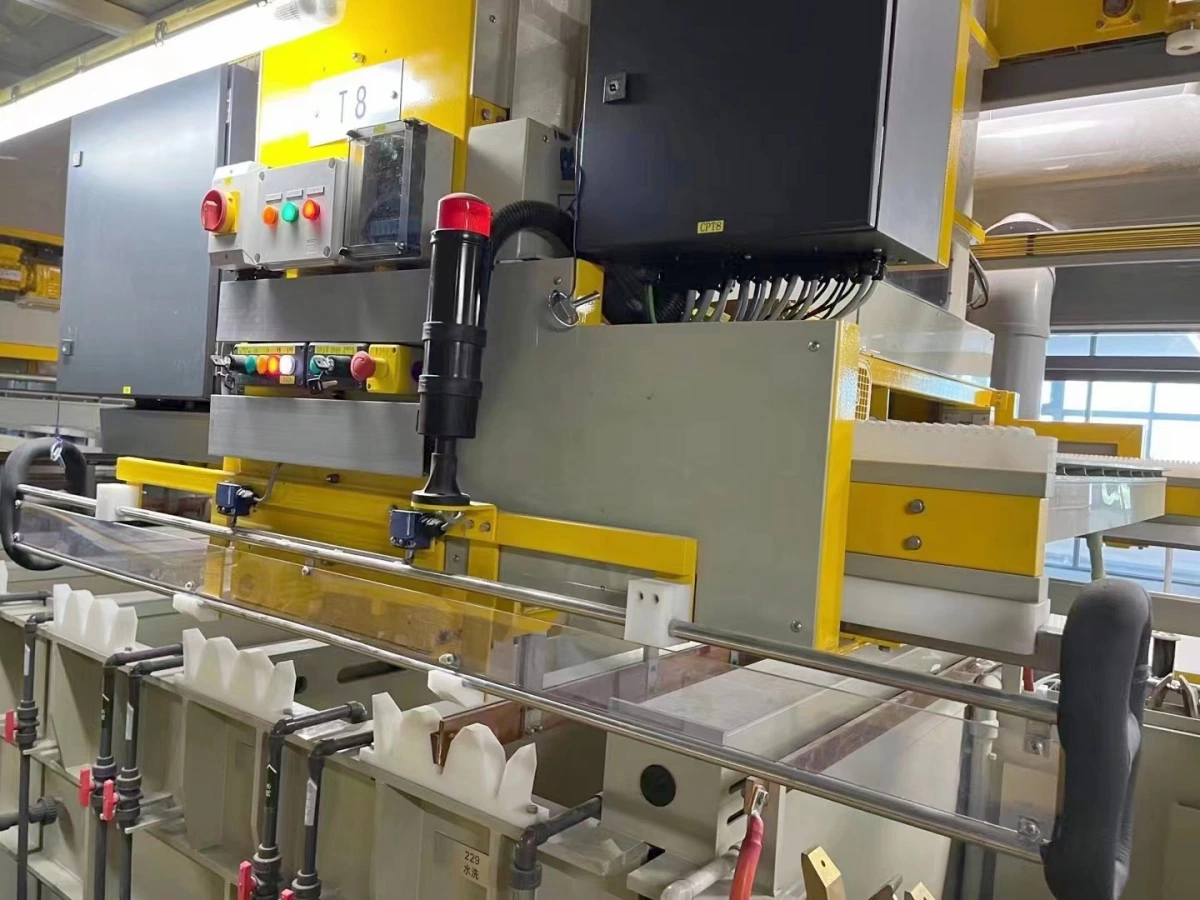
| Transfers repeatedly miss the schedule | Revised hoist allocation or additional handling equipment | Structure, travel zones, shared stations and movement timing |
| Electrical output limits the planned load | Rectifier or current-delivery modifications | Surface area, process settings, busbars, contacts and cooling |
| Obsolete controls cause recurring stoppages | Control hardware and software modernization | Device compatibility, program access and recovery functions |
| Finished loads queue after plating | Additional drying or unloading capacity | Required treatment cycle, batch size and handling time |
Adding another hoist requires a review of the complete movement schedule. Shared tracks and loading stations can restrict the benefit of extra handling equipment. See the electroplating hoist selection guide for the load and transfer information needed.
4. Decide Which Existing Equipment Can Be Retained
Prepare a component list with a proposed action for each item: retain, repair, modify or replace. Record the inspection evidence and the new duty that each retained component must support.
Check tank condition, linings, supports, pipe connections and accessible service space. A tank that is satisfactory for the current bath still needs reassessment if chemistry, temperature or loading changes. Structural suitability for modified loads requires an engineering review.
For electrical equipment, review the complete current path and operating conditions. A larger rectifier may also require changes to busbars, cables, contacts, cooling and the incoming supply.
Include a parallel new line in the comparison where the existing layout prevents a practical extension. Compare installed cost, production disruption, usable capacity, maintenance needs and the remaining condition of retained equipment.
5. Define the Interface Between New and Existing Controls
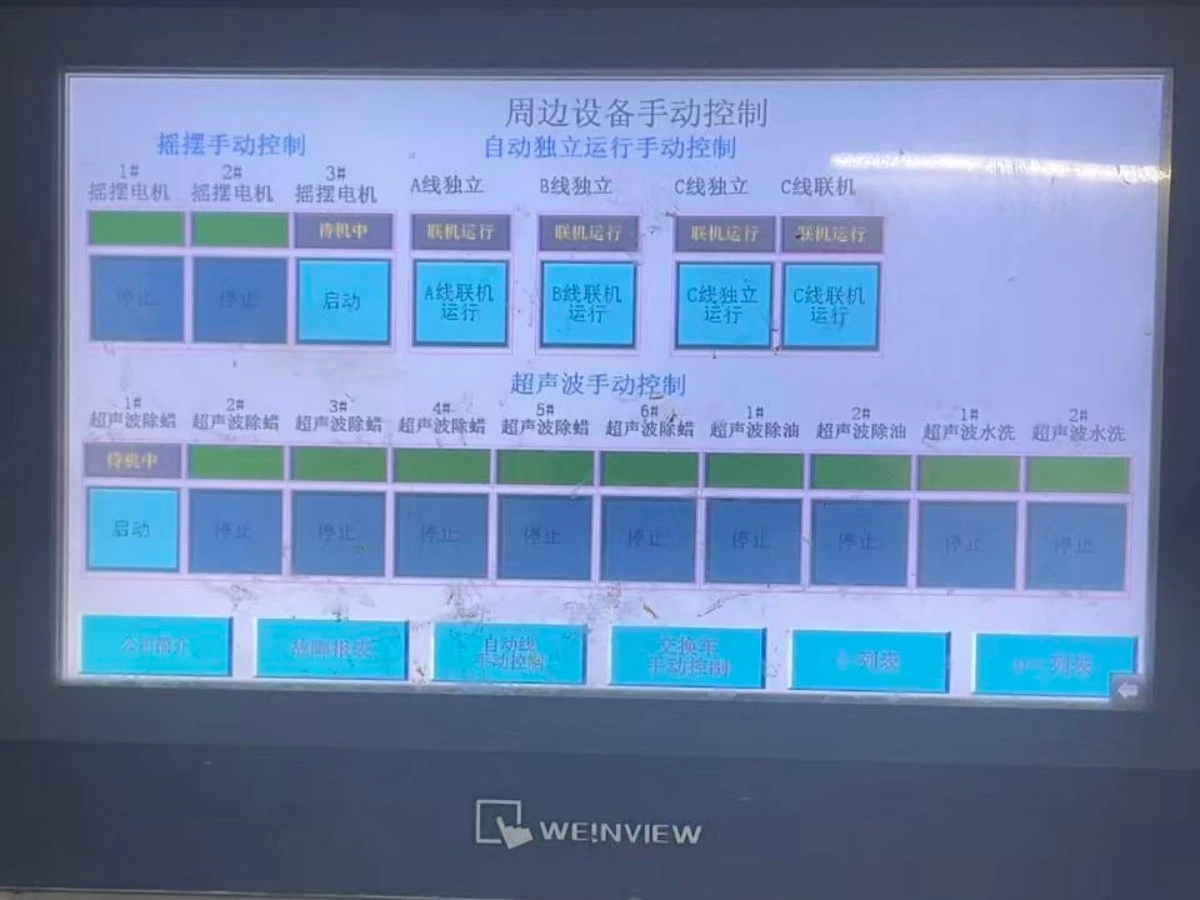
Before selecting replacement controls, establish what software, licenses, passwords and documentation are available for authorized engineering work. Confirm who can modify the existing program and who will support the completed installation.
The integration scope should identify connected devices, spare inputs and outputs, communication methods, recipe changes and required operator screens. It should also define alarm responses, restart permissions and how interrupted loads are identified.
Agree on recoverable backups and updated electrical drawings at handover. The electroplating line PLC control guide provides a useful basis for specifying these functions. Any affected machinery safety functions require their own engineering review and verification.
6. Recheck Utilities and Environmental Systems
Assess shared services for the proposed production scenario. Include simultaneous electrical demand, heating and cooling duty, rinse-water supply, drainage, compressed air and the additional wastewater load.
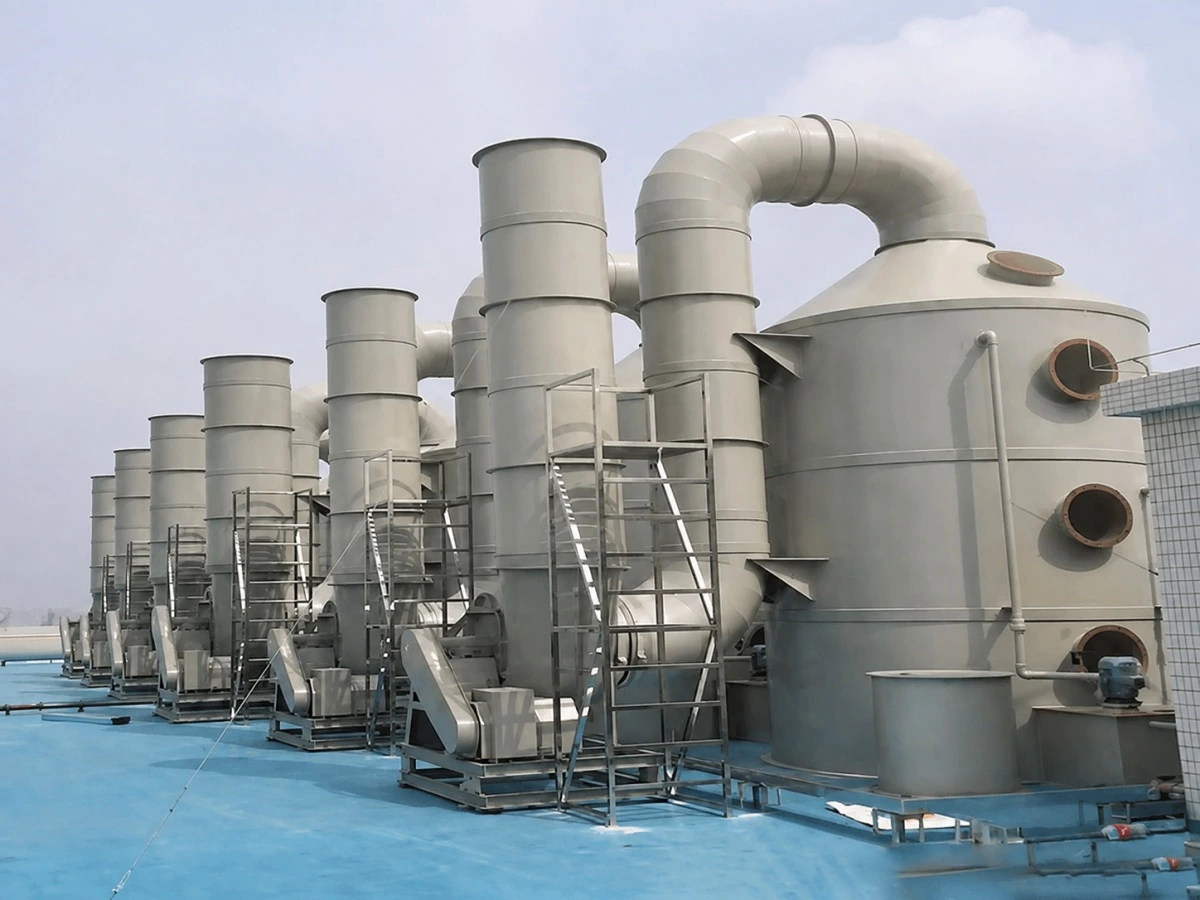
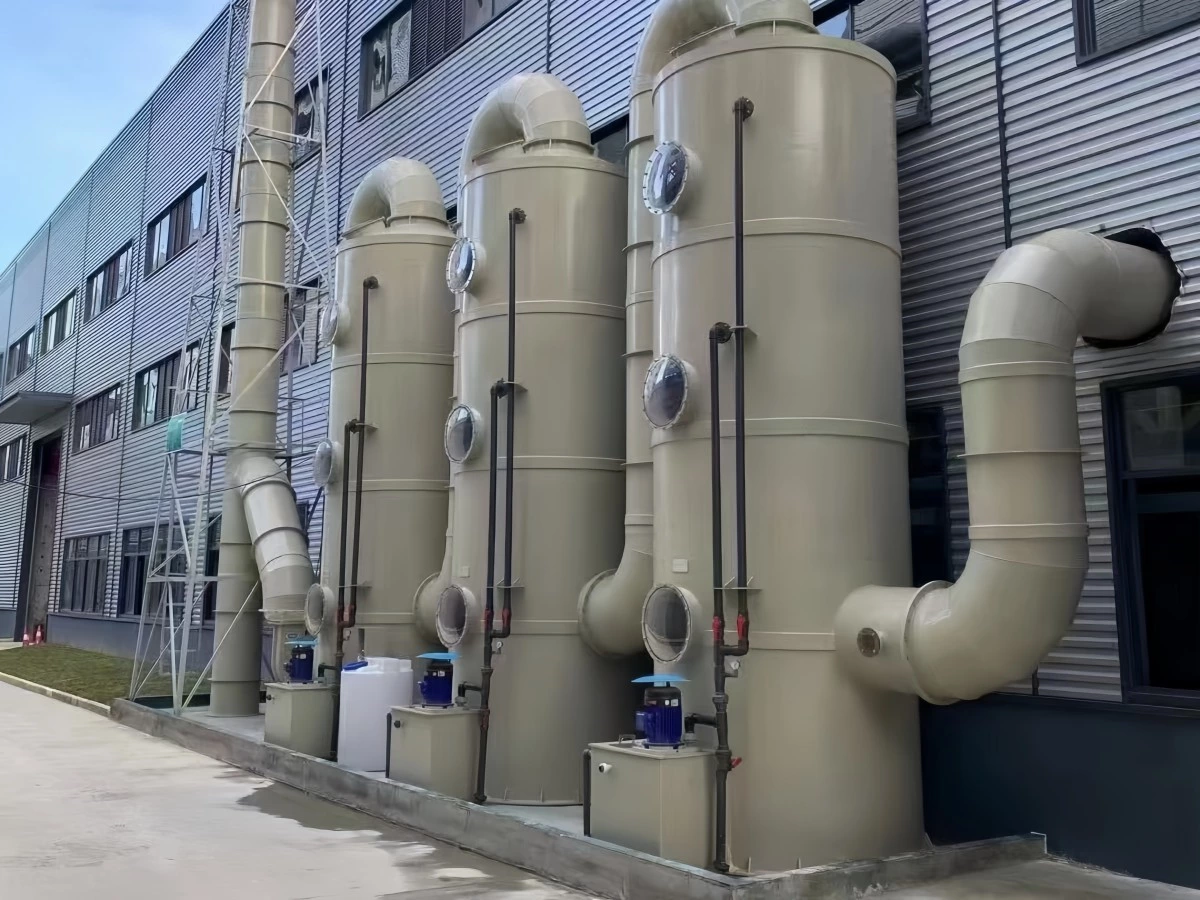
Review extraction whenever tanks, process conditions, hoods or duct routes change. The existing fan and scrubber must be assessed with the revised airflow and pressure-loss requirements. Spare motor power alone does not establish available extraction capacity.
The electroplating exhaust gas treatment system should be considered together with source capture and duct balancing. Confirm the revised operating conditions with the factory's environmental team and the responsible system designers.
7. Agree on the Shutdown and Restart Plan Before Ordering
A retrofit quotation needs a clear installation boundary. Identify what can be manufactured or pre-assembled before the shutdown and which tasks require access to the operating line.
Define responsibilities for equipment removal, process-liquid handling, utility isolation, lifting, installation, wiring and commissioning. Establish these arrangements with the factory before fixing the work schedule.
The restart plan should include mechanical and electrical checks, control testing, suitable leak and circulation checks, and trials with representative parts under approved process conditions. Specify who authorizes each stage.
Allow time for operator training, quality review and outstanding corrections. The first successful automatic cycle is one commissioning milestone; routine production release also needs evidence that the modified process produces acceptable parts.
8. Measure the Result Against an Agreed Baseline
Define acceptance conditions before the equipment is purchased. Use the same representative part families, coating requirements, loading method and shift basis for the baseline and the upgraded-line trial.
Record completed loads, acceptable output, rejects, rework, stoppages and actual process conditions. State the trial duration and any product changes included. If the expansion targets mixed production, test the agreed recipe combination.
Include relevant operating limits in the acceptance review. Increased output must remain within approved treatment times, equipment ratings and utility capacity. Where water or energy savings form part of the commercial proposal, agree on the measurement boundary and production basis in advance.
Information to Send with an Upgrade Enquiry
A useful first enquiry combines an existing-line file with a short expansion brief:
- Current layout, tank list, process sequence and photographs.
- Representative part drawings, loading details and coating requirements.
- Recent production records, recurring alarms and known quality issues.
- Equipment nameplates and available mechanical and electrical documentation.
- Current PLC/HMI information and the availability of authorized software access.
- Required output and expected changes in product mix.
- Available floor space, utilities and shutdown dates.
- Requested supply scope, installation responsibilities and acceptance criteria.
Ask the proposal to identify any site measurements or inspections still required. Retained equipment, exclusions and unresolved interfaces should be visible before the final investment decision.
Frequently Asked Questions
Can an existing electroplating line be upgraded instead of replaced?
It may be possible when the equipment condition, layout and process arrangement support the new duty. A condition assessment and production review establish which components can be retained and whether a partial upgrade offers a practical expansion route.
Will a larger rectifier increase production capacity?
Only when electrical output is a genuine restriction and the rest of the process supports the proposed load. Tank occupancy, current delivery, treatment time, handling and supporting utilities must also be reviewed.
Can a line built by another manufacturer be modified?
Feasibility depends on the installed equipment, available documentation and access rights for the required control work. Confirm the engineering responsibilities and the interfaces between retained and new equipment before agreeing on a modification scope.
Can the upgrade be completed without stopping production?
Some preparation may be completed offline. Connections, structural changes, control integration and commissioning may require a planned shutdown of the affected equipment. The schedule needs a site-specific review.
How should an upgrade be compared with a new line?
Compare the complete installed cost, achievable good-part output, production interruption, remaining equipment condition, maintenance requirements and future flexibility. Use a common product mix and operating basis for both proposals.
Discuss Your Electroplating Line Expansion
Planning to expand your plating workshop? Contact Autoplatingtec with your existing-line information, target output and installation schedule to discuss suitable equipment for the project.