English
 Español

Electroplating Pretreatment Line Design for Metal Parts
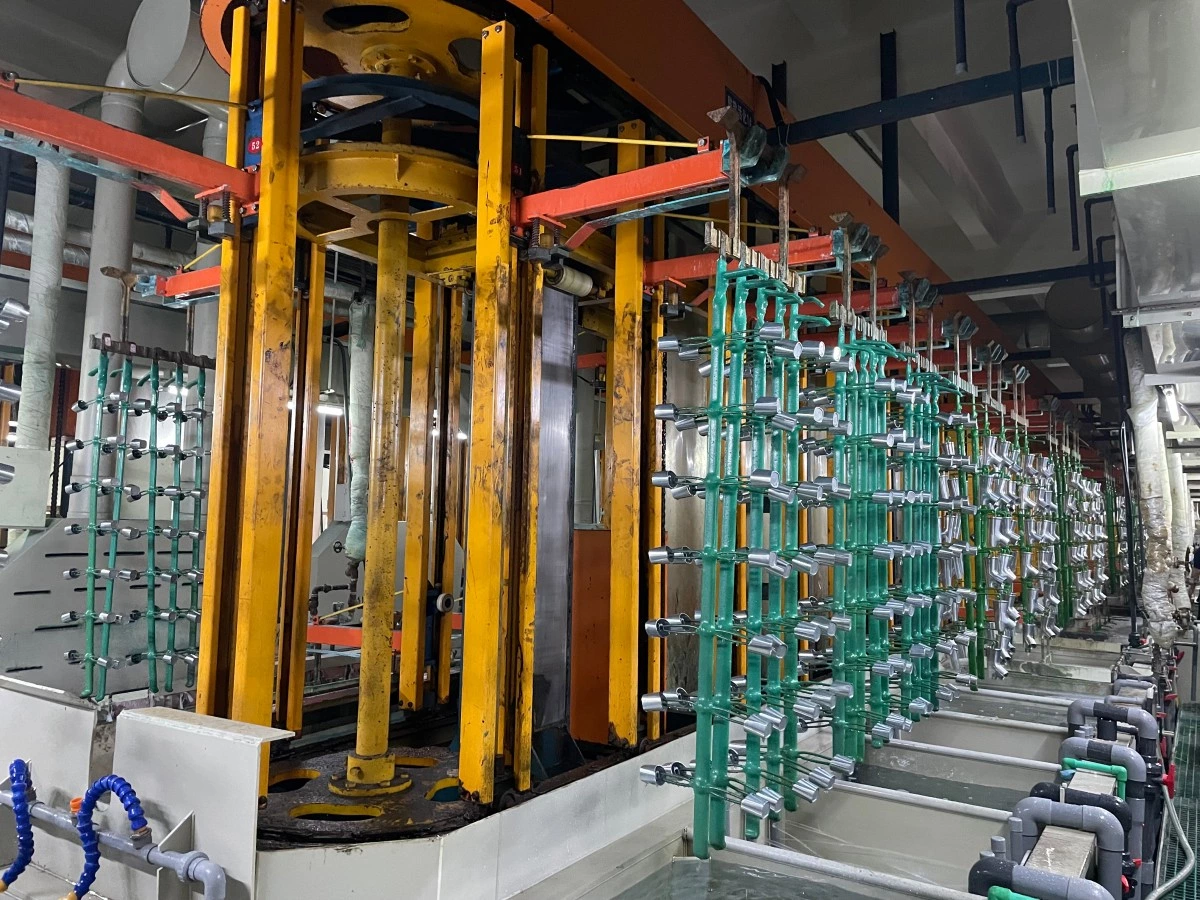
An electroplating pretreatment line prepares metal parts for the coating process through an approved combination of cleaning, rinsing and surface activation. Its configuration depends on the substrate, the contamination arriving from manufacturing and the requirements of the first coating stage.
For buyers, the design task is to translate that process into equipment: suitable tanks, enough processing positions, reliable transfers and practical controls. A layout that fits the workshop still needs to demonstrate that it can prepare the required loads at the planned production rate.
What Does an Electroplating Pretreatment Line Include?
Pretreatment can include several operations, but there is no single sequence suitable for every metal part. The chemical supplier should confirm the route and operating limits before the equipment layout is finalized.
| Process function | Purpose | Equipment details to define |
|---|---|---|
| Precleaning or soak cleaning | Remove manufacturing soils such as oils and polishing residues | Tank space, heating, circulation and contamination removal |
| Electrocleaning, where specified | Provide an additional cleaning step using electrical action | Rectifier, contacts, polarity requirements and electrical control |
| Pickling or oxide removal, where specified | Treat scale, tarnish or oxides | Compatible tank materials, ventilation and process timing |
| Surface activation | Prepare the surface for the following coating stage | Bath requirements and permitted transfer interval |
| Intermediate rinsing | Remove residual solution between process stages | Rinse arrangement, water supply, drainage and carryover control |
These functions are a planning checklist, rather than a fixed order of tanks. Some processes need additional stages, repeated operations or a different sequence.
Start with the Actual Parts and Incoming Surface Condition
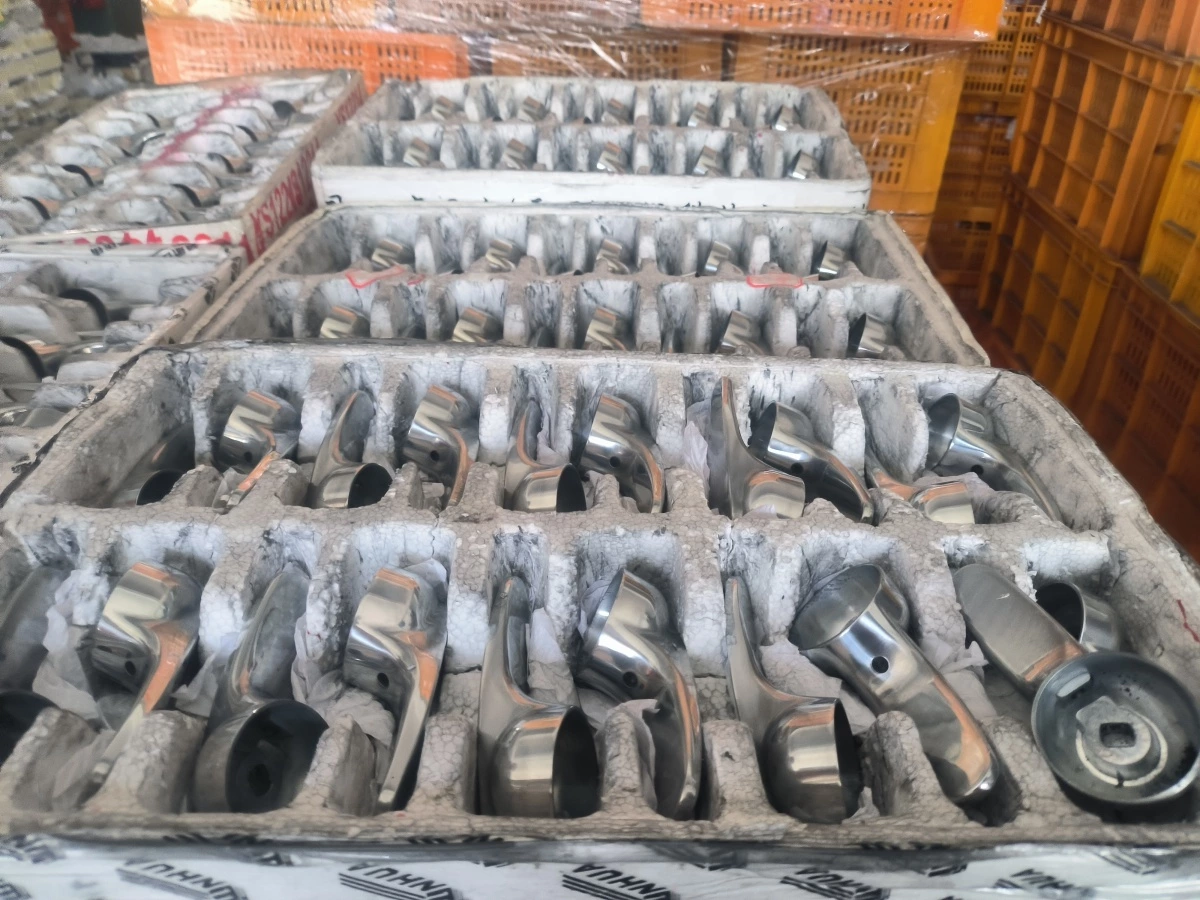
Provide the equipment supplier with the exact alloy, part drawings and representative samples. A description such as “metal hardware” leaves too many design decisions unresolved.
The parts review should identify:
- The base material and any mixed-metal assemblies.
- Oils, polishing compounds, oxidation or other residues present on arrival.
- Blind holes, threads, recesses and features that retain liquid.
- Surfaces that must remain free of contact marks.
- The planned rack loading or barrel batch size.
- The first coating layer and the required finished-part quality.
Steel, copper alloys, zinc die castings and aluminum alloys should not automatically share one pretreatment recipe. Aluminum and other substrates may need additional preparation stages specific to the alloy and coating system.
For an automatic rack electroplating line, review part orientation and access for solution contact. For a barrel electroplating line, confirm that the proposed loading and movement are compatible with both the parts and the approved cleaning process.
Convert the Approved Process into Tank Specifications
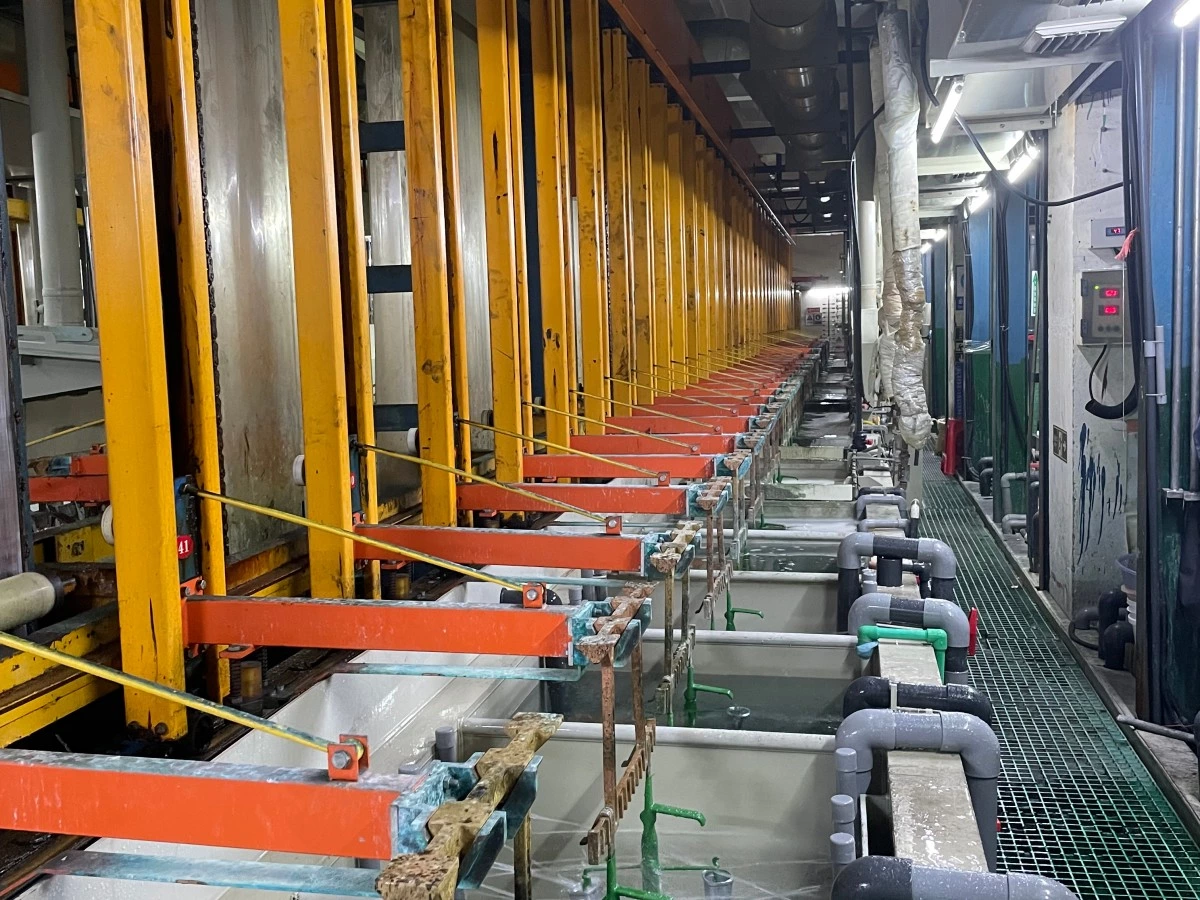
Ask for a station schedule showing the purpose and requirements of every tank. This document gives the equipment supplier, chemical supplier and buyer a common basis for checking the quotation.
For each process station, record:
- Working dimensions and usable solution volume.
- Normal and permitted operating temperatures.
- Minimum and maximum treatment times.
- Required circulation, agitation or ultrasonic equipment.
- Electrical requirements, where the process uses electrocleaning.
- Materials for the tank, heaters, pumps, pipework and seals.
- Sampling access, maintenance access and solution replacement arrangements.
Confirm compatibility across the complete wetted system. A suitable tank material does not establish that a pump seal or heater sheath is suitable for the same bath.
Also identify who supplies the initial chemicals, operating instructions and bath analysis procedures. These responsibilities should be visible in the project scope.
Check Pretreatment Capacity Against the Required Load Interval
A cleaning stage can limit the output of the complete electroplating line. The quotation should therefore connect treatment time with the interval at which new loads enter production.
Consider a simplified example: a cleaning operation requires six minutes of immersion, while the production target calls for one new load every three minutes. One tank position holding one load cannot support that target. Two processing positions are the theoretical minimum before allowing for handling time and scheduling constraints.
This example does not establish the final tank count. Loading, lifting, draining, travel and interference between hoists must also be checked in the complete schedule.
Ask the supplier to show how each pretreatment stage supports the target output. The same approach is explained in our electroplating line capacity calculation guide.
Plan Rinsing and Transfer Timing Together
Rinsing removes residual solution between stages. Its arrangement should be reviewed alongside part geometry, loading and the amount of liquid carried from one tank to the next.
Specify the rinse-water quality, supply and drainage connections, and the criteria used to decide when water needs replacement or adjustment. Where counterflow rinsing or conductivity control is proposed, confirm that it suits the process and the contaminants being monitored.
Transfer timing also needs a defined process window. Ask the chemical supplier to specify the permitted interval between activation and the following treatment, including any intermediate rinse.
Longer dripping time may reduce carryover, but it must remain compatible with the approved process and production schedule. See our electroplating rinse system design guide for a closer review of rinse arrangements.
Define Controls and Maintenance Access Before Ordering
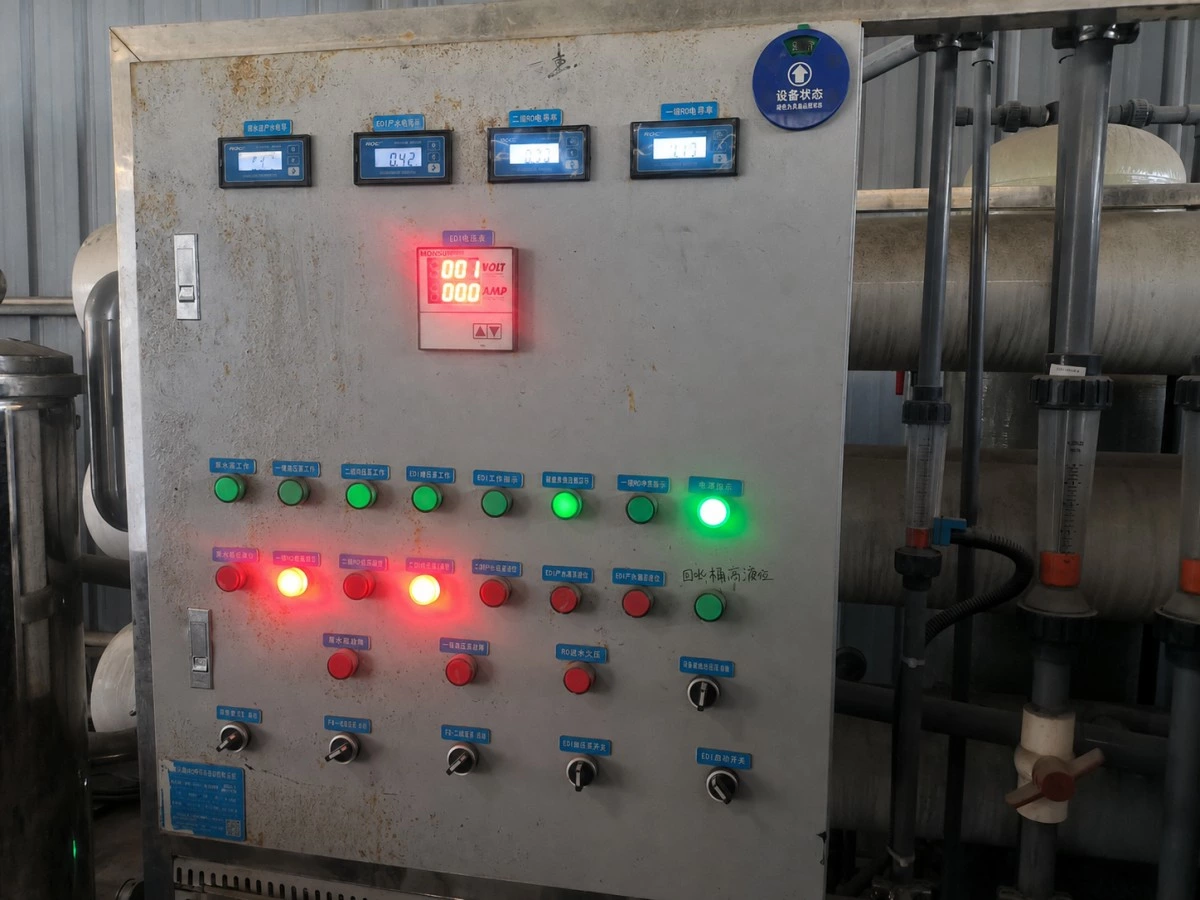
A quotation stating “PLC control” should be supported by a list of included functions.
Depending on the process, useful requirements to discuss include:
- Controlled access to approved recipes and parameter changes.
- Treatment-time and transfer-time monitoring.
- Temperature monitoring and alarms.
- Low-level protection for heaters where applicable.
- Rectifier status monitoring at electrocleaning stations.
- Agreed responses to pump faults, transfer delays and interruptions.
- Batch identification and records where required.
Automatic chemical dosing should be specified separately. A PLC does not determine chemical concentration unless the necessary measurement and dosing equipment are included.
Maintenance access deserves a drawing review as well. Check whether operators can reach sampling points, remove heaters and pumps, inspect contacts and service the transfer equipment.
Our electroplating line PLC control guide provides additional questions for defining the control package.
Agree on Acceptance Tests Using Representative Parts
Define mechanical testing and process validation as separate project activities.
Before shipment, agreed equipment tests can check transfers, positioning, timing, alarms and control functions. Chemical trials and coating-quality assessment require suitable utilities, approved chemistry and representative parts, and may take place during commissioning.
A water-break assessment can help screen for certain cleaning problems, but it does not demonstrate that every contaminant has been removed or replace coating adhesion testing.
Agree in advance on the trial parts, loading conditions, inspection methods and acceptance criteria. Include difficult geometries and normal variations in incoming surface condition, so that the trial reflects the production the line is expected to handle.
Information to Prepare for a Pretreatment Line Quotation
| Information | What to provide |
|---|---|
| Parts and materials | Alloy grades, drawings, dimensions, weights and samples |
| Incoming contamination | Manufacturing route and examples of oils, residues or oxidation |
| Coating requirements | Layer sequence, appearance requirements and inspection criteria |
| Production target | Required output, shifts and planned rack or barrel loading |
| Approved process | Treatment stages, operating windows and chemical supplier information |
| Factory layout | Available space, access routes and maintenance areas |
| Utilities and interfaces | Power, water, heating, cooling, exhaust and wastewater connections |
| Automation and acceptance | Required controls, records, trial scope and acceptance criteria |
Providing this information makes it easier to compare quotations and identify differences in equipment scope.
Frequently Asked Questions
Can different metals use the same pretreatment line?
Sometimes, but only after compatibility and process requirements have been reviewed. Different substrates may require separate baths, additional stages or different operating windows. Shared equipment should be assessed using the proposed product mix.
Does adding more cleaning tanks always improve results?
No. Additional tanks need a defined purpose. The design should address the actual contamination, treatment requirements and load interval, with trials used to confirm performance.
Can an existing line be upgraded with new pretreatment stages?
An upgrade may be possible after checking the process route, available space, transfer system, utilities and controls. Adding a tank alone does not establish that the existing handling schedule can support the new sequence.
Discuss Your Electroplating Line Project
Planning a new line or reviewing an existing pretreatment section? Send your part drawings, material details, coating requirements, production target and workshop layout to our team to discuss a suitable equipment configuration.